Detroit's population plunged by 25% over the last decade, according to census figures - the largest decline of any major city in American history.


"Laying bare the country's most startling example of modern urban collapse, census data on Tuesday showed that Detroit's population had plunged by 25 percent over the last decade," writes Katharine Q. Seelye.
With the exception of New Orleans after Hurricane Katrina, this represents the largest percentage decline of any major U.S. city in history. 237,500 people left the city since 2000; Detroit was once the 4th largest city in the U.S., but these latest figures may drop it to 18th place and make Michigan the only state to lose population since 2000.
Reasons for the loss include the decline of the auto and industrial-based economy as well as a major exodus of black residents to the suburbs.
Still, the numbers are not yet final and city officials plan to challenge the census results, believing they may not be counting tens of thousands of residents.
Read the full story: Detroit Census Confirms a Desertion Like No Other


US Census Starts Using Postal Workers as Census Takers
A test program is using postal carriers to administer Census questionnaires.

Two Lawsuits Aim to Strip Immigrants, Privacy Protections From US Census
The two cases could have major impacts on how Americans are counted in the next census.
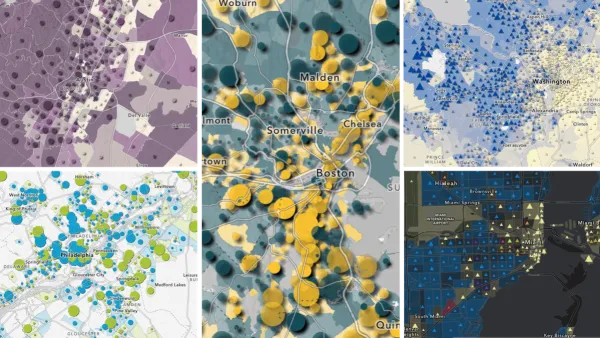
Explore US Demographics With the New ACS Atlas Collection
Esri's new ACS Atlas Collection offers interactive applications that visualize the latest U.S. demographic and socio-economic data, enabling users to explore over 175 curated web maps across various thematic areas.

Planetizen Federal Action Tracker
A weekly monitor of how Trump’s orders and actions are impacting planners and planning in America.

California plans to bury El Niño’s downpour
If the state plays its cards right, it may be able to store a billion acre-feet of El Niño’s water in aquifers.

Chicago breaks ground on $3 billion megadevelopment
The new neighborhood, titled Foundry Park, will one day host 3,700 residences.

California High-Speed Rail Authority CEO resigns after $600,000 scandal
Under Ian Choudri, the authority used taxpayer dollars to fund first class flights and trips to nightclubs.

Want to study the Missouri River? Soon, you may need unanimous approval from 10 states
Legislation would require 10 governors’ permission to study or build projects moving water outside the basin.

Desperate measures: Advocates weigh draining Lake Powell to fill Colorado River
Draining the reservoir could reduce evaporation losses by a couple hundred thousand acre-feet.

FREE Course: Walkable City 1: Why Walkability?
After describing his path towards focusing on walkability as the essence of good planning, Jeff Speck marches through his five principal reasons for making more walkable places.
Reinventing Malls: Planning Alchemy—Turning Gray Fields Into Gold
The course focuses on the opportunities and imperatives that shape reinvention of mall sites.

City of Rosemead
Rutgers University, Edward J. Bloustein School of Planning and Public Policy
One Hundred Miles
Hunter College, City University of New York (CUNY)
The Architects Foundation
University of Cincinnati Online
City of Cambridge
Montrose County
The Pocatello Development Authority