Rome has instituted a new tax on tourists aimed at building a fund to restore its crumbling infrastructure. But some worry it will drive tourists away.


Small business owners are worried that the new tax -- on top of the city's notoriously high costs -- will prevent tourists from coming to town.
"A new bed tax for visitors stipulates that every tourist has to pay an additional €2 per night -- €3 per night in a luxury hotel. State-run museums and boats that ply the Tiber River, like the buses, will also hike their prices. There were months of intense wrangling after Mayor Gianni Alemanno proposed this tax, but it was ushered in quietly just two days before Christmas. The idea is to secure an extra €80 million ($107 million) for the city coffers, which should contribute to slashing Rome's massive debts of more than €9.6 billion ($12.8 billion). Florence is now proposing a similar tax, and Milan may be next."
Read the full story: A New Tax on Tourists in the Eternal City
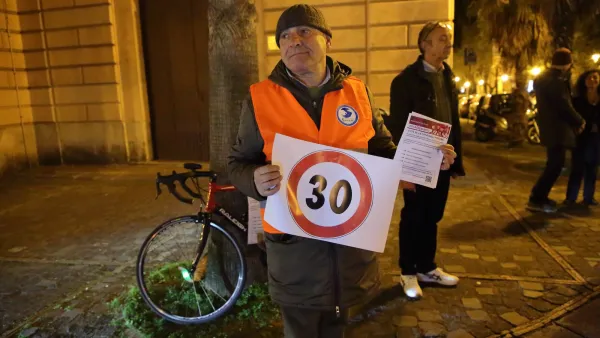
Rome is Latest European Capital to Drop Speed Limit to 30KPH
Traffic fatalities in Bologna, the first major Italian city to lower their speed limit, dropped by 50 percent in the first year.
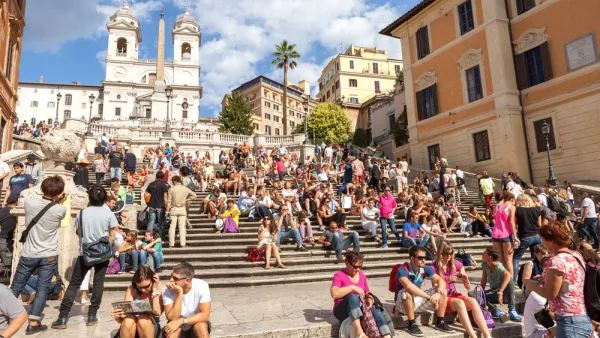
Denied: No Sitting on Rome's Spanish Steps
Rome's Spanish Steps are no longer a place for sitting.
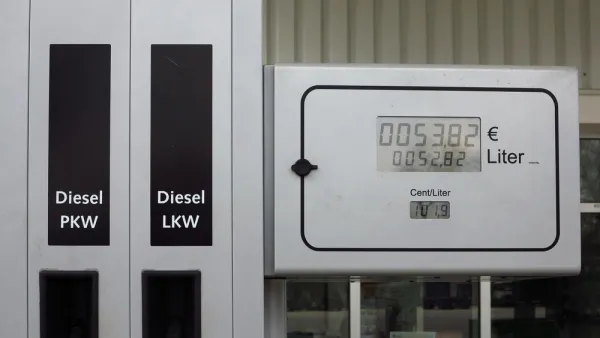
German Cities to Breathe Easier After Court Ruling on Diesel Car Bans
Unlike banning sales of new internal combustion vehicles at a future date, the German court ruling applies to the operation of older, diesel-powered cars in the country's most polluted cities. It's up to the cities, though, to enact the bans.

Planetizen Federal Action Tracker
A weekly monitor of how Trump’s orders and actions are impacting planners and planning in America.

California plans to bury El Niño’s downpour
If the state plays its cards right, it may be able to store a billion acre-feet of El Niño’s water in aquifers.

Desperate measures: Advocates weigh draining Lake Powell to fill Colorado River
Draining the reservoir could reduce evaporation losses by a couple hundred thousand acre-feet.

Chicago voters approve permanent festival grounds, penalty for vacant property owners
Currently, major summer and fall festivals take over public parks for weeks at a time, drawing criticism from nearby residents

NYC votes to cut outdoor dining red tape, speed up permitting
New York City also voted to allow the Department of Transportation to begin work on urgent projects before notifying elected officials.

California appears to reject Prop. 45
The proposition would have expanded the projects that qualify for a streamlined environmental review, effectively paring down the California Environmental Quality Act.

FREE Course: Walkable City 1: Why Walkability?
After describing his path towards focusing on walkability as the essence of good planning, Jeff Speck marches through his five principal reasons for making more walkable places.
Reinventing Malls: Planning Alchemy—Turning Gray Fields Into Gold
The course focuses on the opportunities and imperatives that shape reinvention of mall sites.

City of Rosemead
Rutgers University, Edward J. Bloustein School of Planning and Public Policy
One Hundred Miles
Hunter College, City University of New York (CUNY)
The Architects Foundation
University of Cincinnati Online
City of Cambridge
Montrose County
The Pocatello Development Authority