In an attempt to avoid new debt and decrease existing budget deficits, many cash-strapped cities and states are levying a host of new fees that don't provide exemption to nonprofits such as churches, schools, and charities.


The newest source of property tax revenue in your community could be your neighborhood church or local hospital. A sign of changing economic times, nonprofit organizations such as places of worship and charities are now being included in many state and local tax pools as governments struggle to find funds to fix crumbling infrastructure and maintain city services.
"Houston's taxpayers in November narrowly voted to adopt a 'drainage fee' to raise at least $125 million a year toward the cost of improving roads and storm-water systems. The city will charge fees to property owners, and it won't grant exceptions to churches, schools and charities."
"The city has been tightening its budget. 'We're cutting up the city's credit cards,' says Mayor Annise Parker. 'Everyone who contributes to drainage issues has to share in the cost of correcting those issues.'"
"At a group called the National Council of Nonprofits, Tim Delaney, chief executive, says, 'Governments are taking their public burdens and putting them on the backs of nonprofits, at a time when the demand for our services is skyrocketing.'"
Read the full story: Strapped Cities Hit Nonprofits With Fees

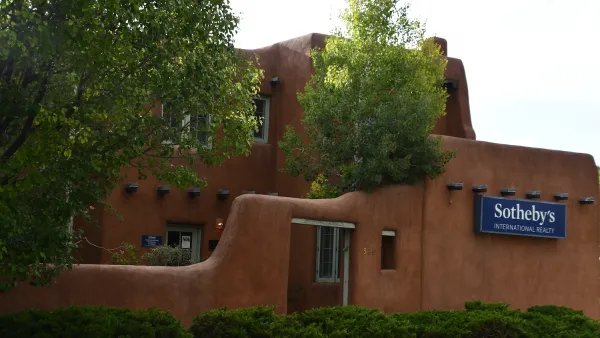
Santa Fe Collects First Payments From Tax on Million-Dollar Homes
The 3% tax on home sales of $1 million or more has elicited a lawsuit and backlash from local realty groups.
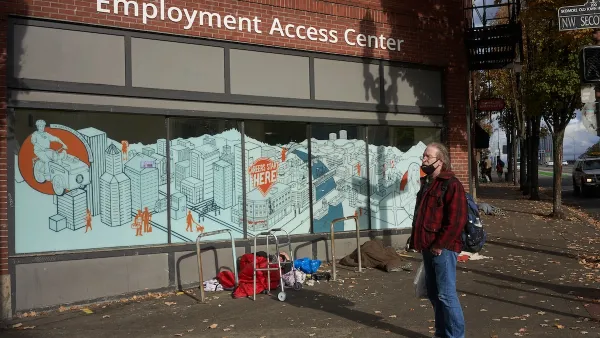
From Empty Spaces to Community Places: Why Nonprofits Belong on the Ground Floor of Affordable Housing
The results benefit residents, neighbors, and the organizations themselves.

Are Race-Based Lawsuits Affecting Community Lenders?
Shelterforce spoke with community lending leaders and experts about the current mood across the sector. What, if anything, are organizations doing to avoid becoming the next target of conservative activists?

Planetizen Federal Action Tracker
A weekly monitor of how Trump’s orders and actions are impacting planners and planning in America.

Amtrak, CN end decades-long dispute with eight-year agreement
The new operating agreement establishes an updated framework for the companies to work together, including processes to resolve disputes.

Judges permit Denver to divert 77,000 acre feet from the Colorado River for reservoir expansion
Overuse and climate change have caused the Colorado River’s water levels to plummet.

NYC DOT wants faster, more permanent street upgrades
The city is examining ways to build more concrete infrastructure without getting entangled in 'decades-long' projects.

'Something we’ve never seen before:' rising utility rates could strain city finances nationwide
Data centers, climate change and other factors have caused utility rates in the United States to increase by 38% since 2020.

Trump to overrule local leaders, lease millions of acres of America’s Pacific Island territories’ seafloors to mining companies
International law says that the Indigenous people of America’s territories have a right to prior and informed consent regarding projects that impact their countries.

FREE Course: Walkable City 1: Why Walkability?
After describing his path towards focusing on walkability as the essence of good planning, Jeff Speck marches through his five principal reasons for making more walkable places.
Reinventing Malls: Planning Alchemy—Turning Gray Fields Into Gold
The course focuses on the opportunities and imperatives that shape reinvention of mall sites.

Harvard University Graduate School of Design
KFH Group Inc.
Greater Baltimore Committee
The Architects Foundation
University of Cincinnati Online
The Pocatello Development Authority
The Urban Renewal Agency of the City of Pocatello