Jim Kunstler once said that if the 20th Century was about getting around, the 21st Century is about staying in places worth staying in.
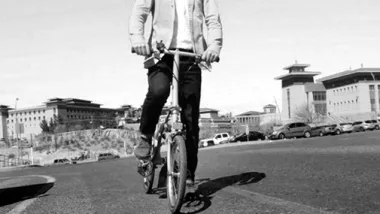


Jim Kunstler once said that if the 20th Century was about getting around, the 21st Century is about staying in places worth staying in. A prescient statement, it seems, as demographic, cultural, environmental, and economic trends continue influence the recovery of walkable urban neighborhoods where live, work, and play happen in close proximity. But despite ongoing, substantive market shifts, conventional city making processes continue to lag behind the demand for places worth staying in. Nonetheless, from Dallas to Brooklyn, Do it Yourself (DIY) urbanists are taking it upon themselves to institute place-based change at the scale urban dwellers understand best: the city block.
The Better Block Project
If you are a blogosphere surfing urbanist, then you have likely stumbled across "The Better Block Project." Carried out by Dallas, Texas urbanists Jason Roberts, Amy Cowan, and a cadre of local change agents, the Better Block effort takes (PARK)ing day one step further by effectively demonstrating how a simple vision and a little sweat equity can ably transform an auto-dominated city block into a vibrant, people-oriented neighborhood center-even if only for a single day. The installation, which cost less than $1,000 to produce, has gone viral across the country and may have seeded more permanent change in the Oak Cliff neighborhood. As always, a YouTube video speaks more than a thousand words:
DoTank:Brooklyn
DoTank:Brooklyn seeks to catalyze local intellectual capital. Yet, rather than dwell on navigating the myriad of political structures that eventually institute change, this informal group of Brooklyn based urban planners, artists, and public space advocates directly produce positive urban interventions at the block scale.
To date, DoTank: Brooklyn has created a digital community board, re-purposed work pallets into fully functional, zero waste urban Adirondack chairs, and have taken to sharing films of New York City's most seductive public spaces. Each project is designed to raise awareness and contribute to a better built environment. And like The Better Block Project, the work of DoTank: Brooklyn demonstrates how harnessing technology, ingenuity, and everyday community resources point the way towards realizing a more livable block, street, neighborhood, and city.
DoTank:Brooklyn - Chair bombingat North 5th and Berry from Aurash Khawarzadon Vimeo.
Whether a temporary café,or a sidewalk installation project, North American cities would do well to view these two efforts not as disruptive code violations, but as signs of true vitality; the presence of an engaged population; a reason to push a more progressive planning agenda; and a mandate to break through the conventional planning process to provide innovative and low-cost solutions that lead to long term, positive change.

Dallas' CityMAP Project Looks to Reimagine Downtown Connectivity
Local officials, planners, and other civic leaders have joined together to look at how the city can bring neighborhoods split by freeways back together again.
NYC releases new renderings for $5.5 billion Interborough Express
The slated stations will have a modern look, enhanced lighting and improved audio announcements.
NYC needs 700,000 new homes to resolve housing crisis, report states
The report gave every neighborhood a non-binding development target.

Planetizen Federal Action Tracker
A weekly monitor of how Trump’s orders and actions are impacting planners and planning in America.

The state-sanctioned urbicide of Austin
People don’t kill cities. Freeways do.

US to reduce Colorado River water deliveries to Mexico
A new Colorado Treaty amendment reduces Mexico’s Colorado River water allocation by 250,000 acre feet.

Colorado’s Largest Data Center Could Rise Next to Homes — Without a Public Hearing
The proposed campus would consume 11 times the power of Denver International Airport; as it has across the country, opposition mounts.

5 New England states march closer to 800 megawatt wind energy project
Securing federal approval for the project may be complicated under the Trump administration, which has historically been hostile towards domestic wind power.

Baltimore to break ground on $50 million Transit Priority Project
The project will bring faster bus trips, safer streets and better bike connections to Baltimore.

FREE Course: Walkable City 1: Why Walkability?
After describing his path towards focusing on walkability as the essence of good planning, Jeff Speck marches through his five principal reasons for making more walkable places.
Reinventing Malls: Planning Alchemy—Turning Gray Fields Into Gold
The course focuses on the opportunities and imperatives that shape reinvention of mall sites.

Eagle County Government
Harvard University Graduate School of Design
Nashville Planning Department
The Architects Foundation
University of Cincinnati Online
The Pocatello Development Authority
The Urban Renewal Agency of the City of Pocatello
Journal of the American Planning Association

