Foot traffic is up 3.5%, and even sales are up a little at Minnesota's megamall. Retail Traffic Magazine gleans some lessons from the Mall's success.


Mall of America executive vice-president Maureen Bausch credits their continued success (even as malls around the U.S. crash and burn) to a conscious decision not to cut costs and to continue expanding its attractions.
From Retail Traffic: "In 2008, for example, the mall added six new rides to its Nickelodeon theme park, including the SpongeBob Square Pants Rock Bottom Plunge roller coaster and the Avatar Airbender, which features spinning seats on a giant swinging surfboard. The improvements cost somewhere in the neighborhood of $25 million. But Bausch says the price was worth it. She estimates that about 30 percent of the mall's annual visitors come specifically to visit the park, not to shop. But after they go on a couple of rides they might grab a bite to eat at one of the property's restaurants or catch a movie at the on-site movie theater or make an impulse purchase after passing a store window."
Read the full story: The Mall of America Takes on the Great Recession

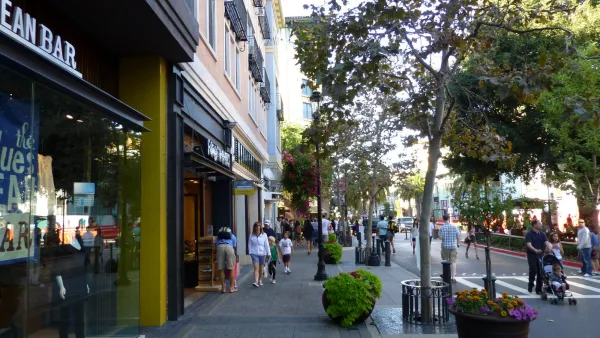
Innovative Approaches May Save Physical Retail
In places like San Jose, "new approaches to the storefront" are paying dividends for physical retailers willing to experiment.
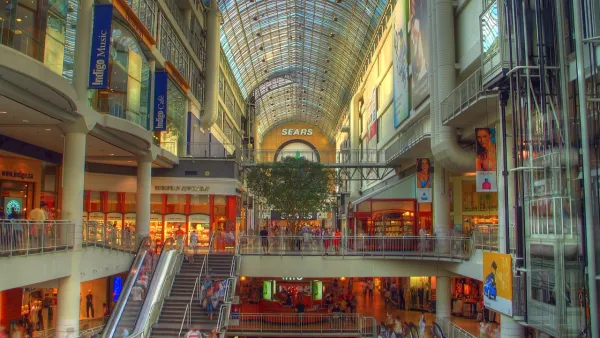
Are Malls and Streets Destined to Merge?
While much has been made of the suburban shopping mall's decline, successful urban retail spaces are taking their inspiration from the humble city street.
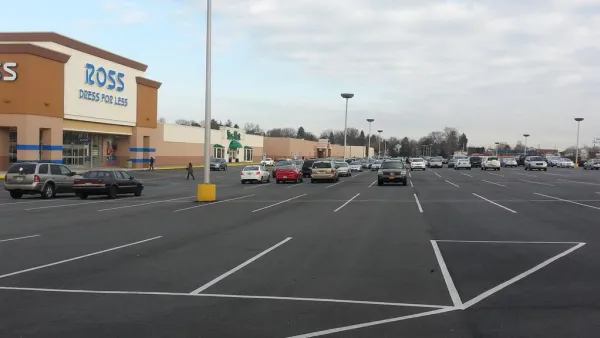
On the Life Cycle of Suburban Malls
Using Greenwood, Indiana as an example, Eric McAfee discusses how the value of individual suburban malls depreciates over time. Shiny new shopping centers compensate for inevitable vacancies in older ones.

Planetizen Federal Action Tracker
A weekly monitor of how Trump’s orders and actions are impacting planners and planning in America.

‘Going backwards:’ Baltimore mayor, students rally against state's transit funding plan
Maryland's proposed six-year plan provides no funding for Baltimore’s BMORE bus program and reduces its road maintenance funding.

Detroit to transform waterfront with $2.2 billion investment
Developers will convert about 18 acres of unused parking lot space into civic spaces.

U.S.-Iran war may have ‘devastating’ impact on cost to warm homes
Vermont and Maine residents may see a 76% increase in the cost of warming their homes this winter.

Senate bill would ‘overhaul’ environmental permitting laws
Under the proposed act, government agencies would also not be able to suspend or rescind permits after granting them.

Exemption applications for NYC’s pied-à-terre tax see 55% success rate
The city sent nearly 40% of its initial pied-à-terre tax warnings erroneously.

FREE Course: Walkable City 1: Why Walkability?
After describing his path towards focusing on walkability as the essence of good planning, Jeff Speck marches through his five principal reasons for making more walkable places.
Reinventing Malls: Planning Alchemy—Turning Gray Fields Into Gold
The course focuses on the opportunities and imperatives that shape reinvention of mall sites.

One Hundred Miles
County of Mendocino
planning NEXT
The Architects Foundation
University of Cincinnati Online
Montrose County
Northern Illinois Transit Authority (NITA)
The Pocatello Development Authority