Small-scale nuclear reactors could be a new, cheap way to provide power for neighborhoods. But their inherent controversy remains.


"'Small reactors can't address all the problems standing in the way of more nuclear investment, but they can address the biggest barriers: the economic ones,' says Richard Lester, head of nuclear science and engineering at MIT. Building giant reactors, he points out, isn't the only way to achieve economies of scale; another way is to mass produce inexpensive mini-nukes. If they're designed as modules, a single unit might power a remote town or mine, while a dozen used in tandem could match the output of a traditional nuclear plant. In the developing world, small reactors would place less strain on fragile electrical grids. And the ability to start small and gradually add power modules could appeal to cash-strapped utilities everywhere."
No small-scale nuclear reactors have been installed, but a small village in Alaska is looking to become one of the first to try the technology.
FULL STORY: Small Town Nukes

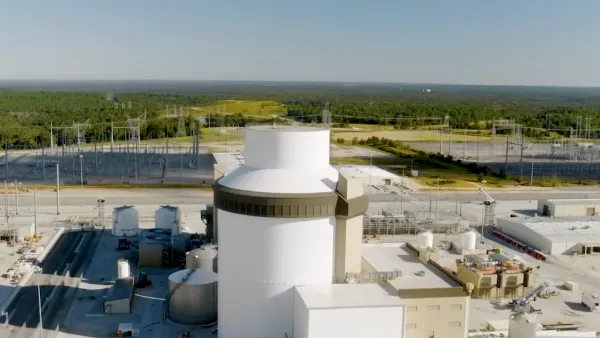
Georgia Makes Clean Energy History in U.S.
The first newly constructed nuclear power plant to generate electricity in the U.S. in over 30 years began operation in Waynesboro, Georgia on July 31.
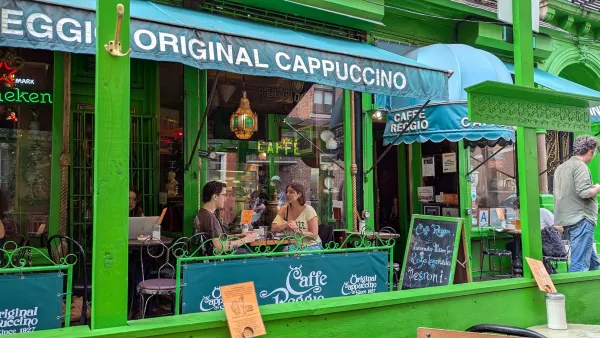
From SoHo to SoDoSoPa
How zoning made great neighborhoods illegal to build, and preordained gentrification.
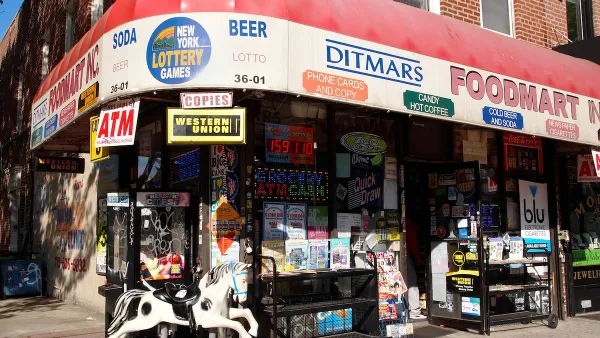
What the ‘Walk Score’ Misses
A popular walkability assessment omits key factors that impact different demographics and can direct development resources to already wealthy neighborhoods.

Planetizen Federal Action Tracker
A weekly monitor of how Trump’s orders and actions are impacting planners and planning in America.

The state-sanctioned urbicide of Austin
People don’t kill cities. Freeways do.

US to reduce Colorado River water deliveries to Mexico
A new Colorado Treaty amendment reduces Mexico’s Colorado River water allocation by 250,000 acre feet.

5 New England states march closer to 800 megawatt wind energy project
Securing federal approval for the project may be complicated under the Trump administration, which has historically been hostile towards domestic wind power.

Baltimore to break ground on $50 million Transit Priority Project
The project will bring faster bus trips, safer streets and better bike connections to Baltimore.

Airbnb launches $250 million 'last-dollar financing' housing accelerator, makes first investment in Austin
The company will put $6.4 million towards affordable housing development in Texas’ capital.

FREE Course: Walkable City 1: Why Walkability?
After describing his path towards focusing on walkability as the essence of good planning, Jeff Speck marches through his five principal reasons for making more walkable places.
Reinventing Malls: Planning Alchemy—Turning Gray Fields Into Gold
The course focuses on the opportunities and imperatives that shape reinvention of mall sites.

Eagle County Government
Harvard University Graduate School of Design
Nashville Planning Department
The Architects Foundation
University of Cincinnati Online
The Pocatello Development Authority
The Urban Renewal Agency of the City of Pocatello
Journal of the American Planning Association