In the continuing battle between architects and Prince Charles, the Prince has resigned from the Society for the Protection of Ancient Buildings after it rejected the foreword he had written for an upcoming handbook on restoration.


In the foreword, Prince Charles took a firm position that buildings should always be restored to their traditional status, a position the Society rejects.
"When it asked for the foreword to be amended, it was rebuffed and told it was all or nothing. It chose to reject the piece, issuing a virtually unprecedented snub to the Royal Family. The Prince, taking the view that he was being censored, responded by ending his association with the society.
The embarrassing rift took place several months ago but has until now been kept entirely confidential.
Yesterday, the society's secretary Philip Venning confirmed that the Prince had quit over the issue of his rejected comments."
FULL STORY: Don't mention the restoration! Prince quits heritage body in censorship row

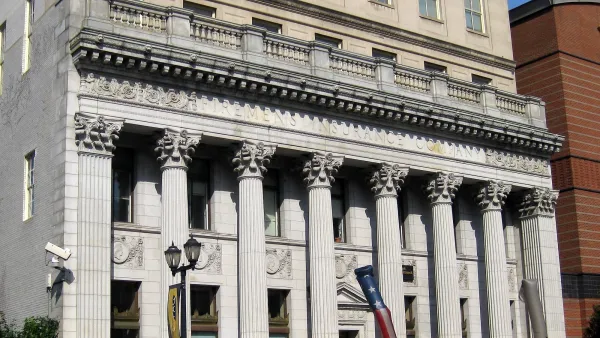
Historic Newark building to become affordable housing
The century-old building will be converted into nearly 200 homes with ground-floor retail.
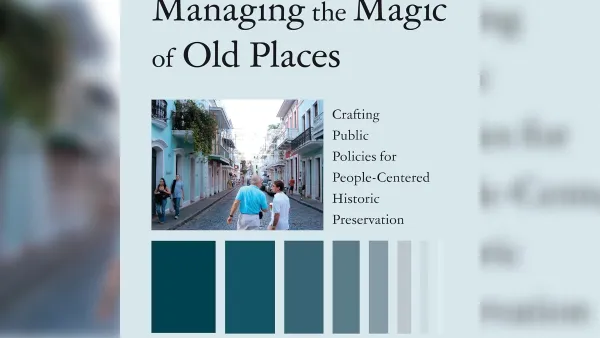
A call for people-centered historic preservation
'Managing the Magic of Old Places' offers a new vision for preservation that maintains its relevance while prioritizing the lived experience of residents of historic places.
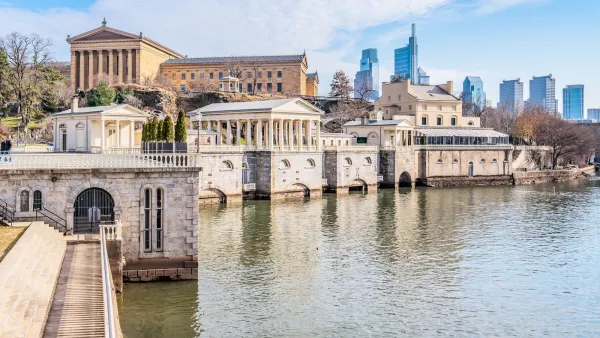
Pennsylvania’s Historic Sites are Under Threat From Rising Waters
The state has one of the nation’s highest concentrations of registered historic sites — and some face destruction from flooding.

Planetizen Federal Action Tracker
A weekly monitor of how Trump’s orders and actions are impacting planners and planning in America.

The state-sanctioned urbicide of Austin
People don’t kill cities. Freeways do.

US to reduce Colorado River water deliveries to Mexico
A new Colorado Treaty amendment reduces Mexico’s Colorado River water allocation by 250,000 acre feet.

Brightline West’s future may rely on $6 billion federal loan
The company has until Nov. 2 to make a $400 million equity investment into its proposed high-speed rail line.

LA Metro’s ultimatum: no extra buses for LA28 if federal funding isn’t imminently secured
If Metro does not provide additional buses, LA28 organizers will have to find a new way to manage Olympic traffic. LA28’s budget does not include a line item for transit.

Colorado’s Largest Data Center Could Rise Next to Homes — Without a Public Hearing
The proposed campus would consume 11 times the power of Denver International Airport; as it has across the country, opposition mounts.

FREE Course: Walkable City 1: Why Walkability?
After describing his path towards focusing on walkability as the essence of good planning, Jeff Speck marches through his five principal reasons for making more walkable places.
Reinventing Malls: Planning Alchemy—Turning Gray Fields Into Gold
The course focuses on the opportunities and imperatives that shape reinvention of mall sites.

Eagle County Government
Harvard University Graduate School of Design
Nashville Planning Department
The Architects Foundation
University of Cincinnati Online
The Pocatello Development Authority
The Urban Renewal Agency of the City of Pocatello
Journal of the American Planning Association