The Florida Keys are likely the most vulnerable places to sea-level rise in America. Despite this danger, officials there have set no plans for counteracting or dealing with climate change.


According to a study from Florida International University, sea levels near the Florida keys are expected to rise at least seven inches within the next 100 years, submerging nearly 60,000 acres -- in the best case scenario.
"Under the panel's worst-case projection of ocean waters rising 23.2 inches, about 75 percent of the Keys 154,000 acres and nearly 50 percent of its $43 billion property value could become submerged. Consequences also include the loss of habitat for many endangered plants and species, including Key deer.
...The eye-opening projections were presented at a June meeting in Marathon to urge Monroe County Mayor George Neugent, other Keys leaders and residents to develop long-term plans to deal with climate change. Unlike Miami-Dade and Broward counties, the Keys do not have a climate change task force."
Read the full story: Keys ill-prepared for rising sea

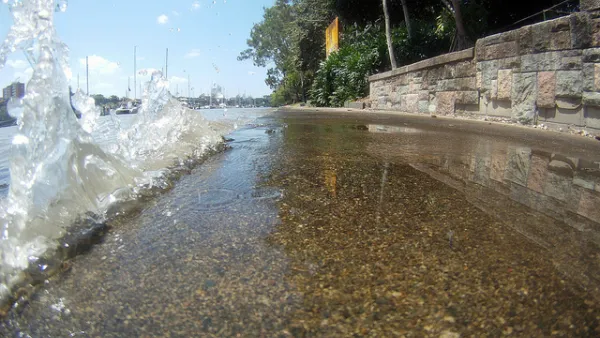
Living With Record Tides in Florida's Key Largo
South Florida's annual "king tides" were especially brutal this year. Residents of one Florida Keys community have experienced what it's like to live on the front lines of sea level rise.
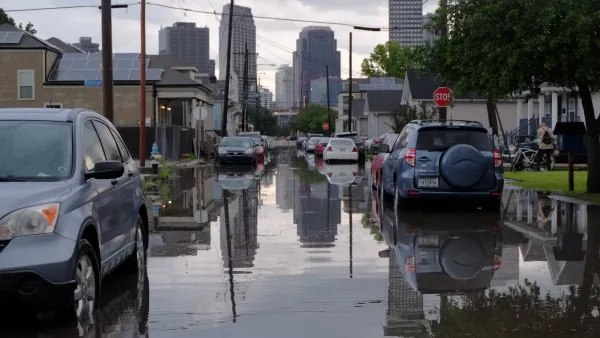
Study: New Orleans sea level rise is at 'point of no return'
Research shows that the city could be surrounded by water by the end of this century.

Over 500 NYC ‘Blue Zones’ at Risk of More Destructive Floods
High-risk flood zones cover roughly 20% of the city’s land.

Planetizen Federal Action Tracker
A weekly monitor of how Trump’s orders and actions are impacting planners and planning in America.

‘Going backwards:’ Baltimore mayor, students rally against state's transit funding plan
Maryland's proposed six-year plan provides no funding for Baltimore’s BMORE bus program and reduces its road maintenance funding.

Record-breaking wildlife overpass in Colorado brings 91% reduction in animal collisions
Prior to the overpass, vehicles were hitting one deer per day on Colorado’s Interstate 25.

Mamdani sent nearly 6,000 pied-à-terre tax warnings to homes that didn’t qualify
A judge has ordered the administration to cancel thousands of pied-à-terre tax notices after it sent 35% of them erroneously.

Detroit to transform waterfront with $2.2 billion investment
Developers will convert about 18 acres of unused parking lot space into civic spaces.

‘Going backwards:’ Baltimore mayor, students rally against state's transit funding plan
Maryland's proposed six-year plan provides no funding for Baltimore’s BMORE bus program and reduces its road maintenance funding.

FREE Course: Walkable City 1: Why Walkability?
After describing his path towards focusing on walkability as the essence of good planning, Jeff Speck marches through his five principal reasons for making more walkable places.
Reinventing Malls: Planning Alchemy—Turning Gray Fields Into Gold
The course focuses on the opportunities and imperatives that shape reinvention of mall sites.

City of Thousand Oaks
City of Wisconsin Rapids
Harvard University Graduate School of Design
The Architects Foundation
University of Cincinnati Online
Northern Illinois Transit Authority (NITA)
The Pocatello Development Authority
The Urban Renewal Agency of the City of Pocatello