Ft. Worth transportation planner Don Koski talks about the challenges and rewards of being a transportation planner in Ft. Worth, Texas.


Koski talks about Ft. Worth's new plans to develop a significant new infrastructure for bicycles, and the challenges of balancing the needs of cars and people.
"The most difficulty is when trying to retrofit bicycle facilities into existing streets. On streets in downtown and in other areas where traffic speeds and volumes are relatively low, dedicated cycling space isn't a high priority as most cyclists feel comfortable sharing the travel lanes in that environment. Elsewhere, in some cases, we may need to identify a parallel street as the preferred cycling route, or we may need to just sign the street as a bike route and install shared lane marking symbols. However, there are a number of streets that are oversized for the level of vehicular traffic that they experience today or are likely to have in the future. In some of those cases, a "road diet" may be possible that could provide dedicated space for cyclists."
Thanks to George Osner, AICP
Read the full story: BFOC Interview with Fort Worth’s City Planner, Don Koski

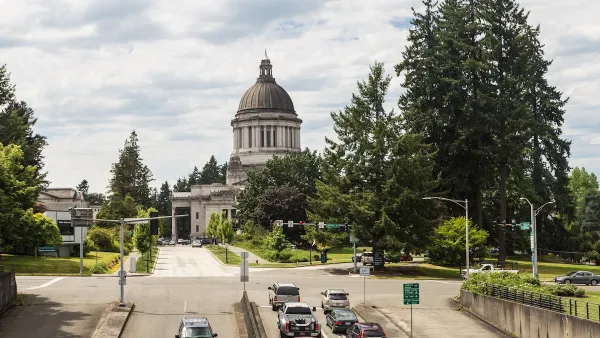
Olympia Draft Transportation Plan Zeroes in on Complete Streets, Bike Infrastructure
The city’s comprehensive plan update could signal a shift in transportation planning priorities to a more comprehensive approach that ensures safer roads for all users.
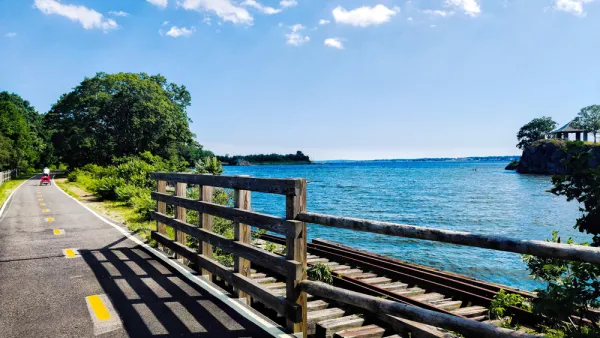
Lessons From Past Bike Lane Controversies Rarely Inform Present Debates
History repeats itself with the political controversies created by bike lanes.
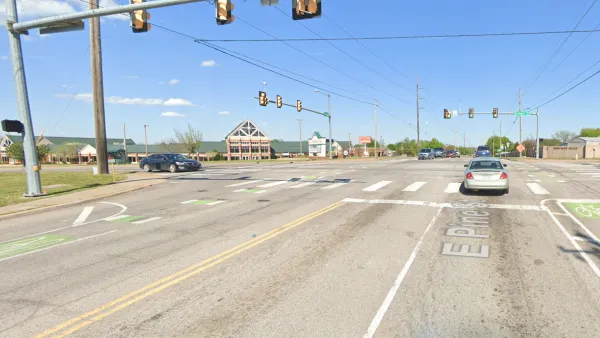
Business Owners Force Removal of New Tulsa Bike Lanes
Local politics is still an obstacle for street reconfigurations that make space for people on bikes.

Planetizen Federal Action Tracker
A weekly monitor of how Trump’s orders and actions are impacting planners and planning in America.

California plans to bury El Niño’s downpour
If the state plays its cards right, it may be able to store a billion acre-feet of El Niño’s water in aquifers.

Desperate measures: Advocates weigh draining Lake Powell to fill Colorado River
Draining the reservoir could reduce evaporation losses by a couple hundred thousand acre-feet.

California city breaks ground on transit connector
The project includes three mobility hubs and a pedestrian bridge.

After public outcry, Massachusetts city releases housing development tracker
Cambridge’s tracker currently shows 250 housing projects in various stages of development.

40 years after approval, Chicago breaks ground on new park
The park honors Jean Baptiste Point du Sable, the city’s first permanent non-native settler.

FREE Course: Walkable City 1: Why Walkability?
After describing his path towards focusing on walkability as the essence of good planning, Jeff Speck marches through his five principal reasons for making more walkable places.
Reinventing Malls: Planning Alchemy—Turning Gray Fields Into Gold
The course focuses on the opportunities and imperatives that shape reinvention of mall sites.

City of Rosemead
Rutgers University, Edward J. Bloustein School of Planning and Public Policy
One Hundred Miles
Hunter College, City University of New York (CUNY)
The Architects Foundation
University of Cincinnati Online
City of Cambridge
Montrose County
The Pocatello Development Authority