The Town Council of Ealing, U.K. is experimenting with covering up its traffic lights at certain intersections, which they believe will increase safety and awareness.


Ealing Council believes that, far from improving the flow of traffic, lights cause delays and may even increase road danger. Drivers race towards green lights to make it across before they turn red. Confidence that they have right of way lulls them into a false sense of security, meaning that they fail to anticipate hazards coming from the side. The council hopes that drivers will learn to co-operate, crossing junctions on a first-come first-served basis rather than obeying robotic signals that have no sense of where people are waiting.
Westminster City Council is also considering a trial but has yet to identify likely junctions.
Ealing found evidence to support its theory when the lights failed one day at a busy junction and traffic flowed better than before. Councillors have approved a report which recommended that they 'experimentally remove signals since experience of signal failure showed that junction worked well'."
Read the full story: Traffic lights covered up by Ealing Council to test congestion 'cure'

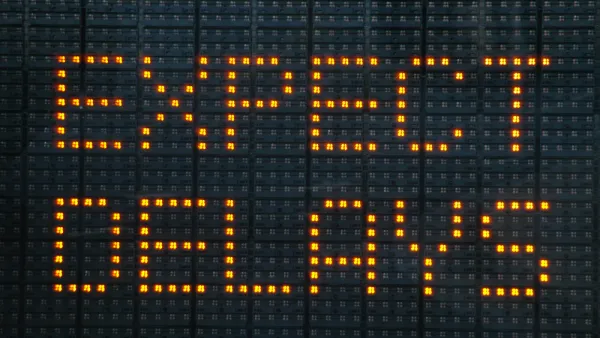
Op-Ed: 'Public Mood' Has Turned Against Cars in Cities
A survey of recent planning decisions demonstrates that cities are no longer necessarily looking to more and bigger highways to solve their traffic problems.
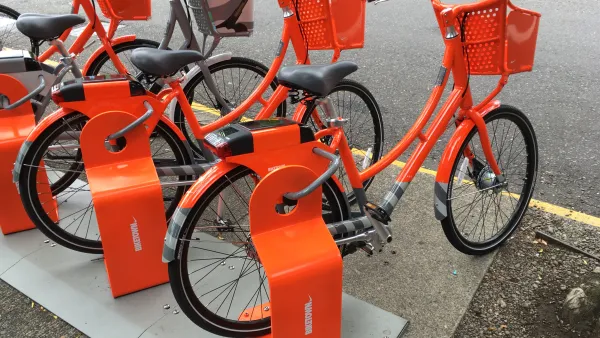
Are Bikeshare Programs Successful?
Bikeshare programs were first introduced in the U.S. seven years ago. Outside Magazine investigates whether they "are actually benefiting cities and their residents."
Google Celebrates the Birth of the Traffic Light
If you opened Google to do a search on Wednesday, you'd see an image (the "doodle") of a traffic light and six Model-T era cars spelling out the company's name. It was honoring the 101-year anniversary of the birth of the electric traffic light.

Amtrak, CN end decades-long dispute with eight-year agreement
The new operating agreement establishes an updated framework for the companies to work together, including processes to resolve disputes.

Judges permit Denver to divert 77,000 acre feet from the Colorado River for reservoir expansion
Overuse and climate change have caused the Colorado River’s water levels to plummet.
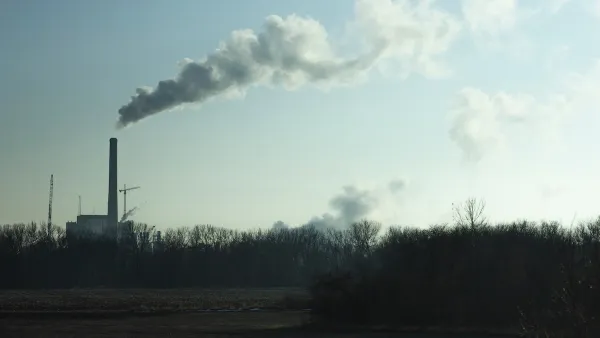
Nation's most wind-powered state turns to coal as data centers increase energy demand
For the first time in decades, Iowa has increased its generation of coal power.

Boston has spent millions making the Green Line more accessible — and there’s no end in sight
While the city has invested millions into expanding and adding platforms to the Green Line to make it more accessible, new train cars set to arrive next year will be too tall for disabled passengers to board without raising the current platforms.

Idaho may see an 18% drop in federal surface transit funding — the largest estimated cut in the US
Transit systems in rural communities are much more reliant on federal funding to provide their services.

How ‘post-disaster gentrification’ alters neighborhoods after natural calamities
After hurricanes, fires or other calamities, the original residents of a community are often replaced by younger, wealthier residents.

FREE Course: Walkable City 1: Why Walkability?
After describing his path towards focusing on walkability as the essence of good planning, Jeff Speck marches through his five principal reasons for making more walkable places.
Reinventing Malls: Planning Alchemy—Turning Gray Fields Into Gold
The course focuses on the opportunities and imperatives that shape reinvention of mall sites.

City of Wisconsin Rapids
Harvard University Graduate School of Design
KFH Group Inc.
The Architects Foundation
University of Cincinnati Online
The Pocatello Development Authority
The Urban Renewal Agency of the City of Pocatello