A stalled and abandoned development along the Florida coast is being scouted by the Trust for Public Land as a possible site for "un-development" -- a return to its natural state as open space.


"These two men have big plans for the Georgetown property, 160 acres on the southwest side of the Tampa peninsula. But they are not planning to build."
"Chelius is state director for the Trust for Public Land. Size is from the nonprofit's St. Petersburg office. Because of the steep decline in property values here, they believe they have a chance to help local government purchase and preserve this stretch of waterfront. A few months ago, it was slated to be covered with luxury condominiums, "mansion" town houses and single-family homes."
"Instead, Chelius and Size spoke about the native plants that could be restored -- the sabal palmetto palm, the seagrape trees, the three native species of mangrove. With the vegetation would come more native animals, more birds."
"'We're sort of like the un-developers right now,' Chelius said, smiling."
Read the full story: Empty Florida homes may return to nature
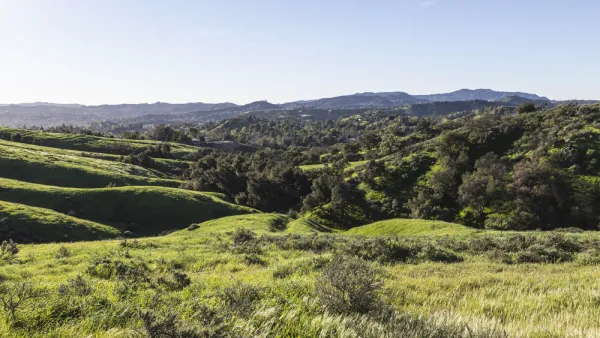
Regenerating and Healing Land Through Parks
Through thoughtful planning and restoration efforts, parks can help heal degraded land, meeting multiple community needs, improving soil quality, restoring native vegetation, and creating habitats for wildlife.
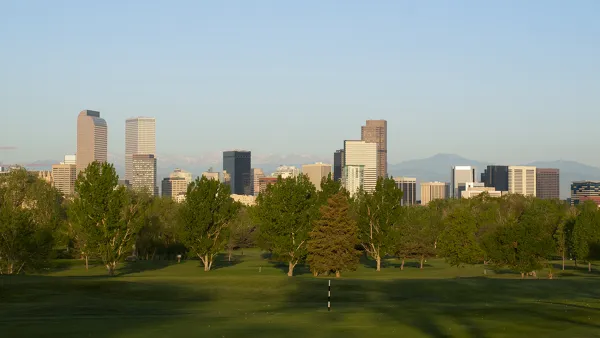
Denver Voters Will Weigh Open Space Development
Two competing initiatives seek to change city regulations for residential and commercial development on the city's parklands and open spaces.
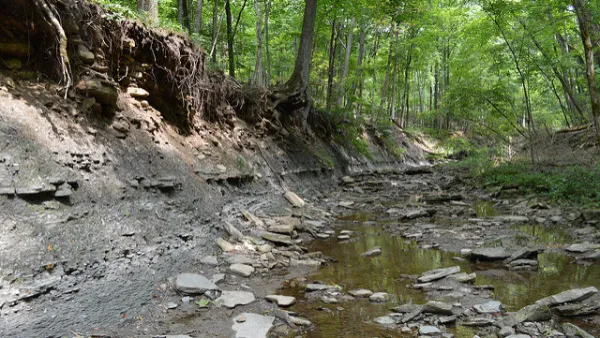
Celebrating the 'Greenspace Gems' in the Cincinnati Region
An advocacy organization in the Tri-State area (Ohio, Kentucky, Indiana) is raising awareness about the region's 116,000 acres of preserved greenspace.

Planetizen Federal Action Tracker
A weekly monitor of how Trump’s orders and actions are impacting planners and planning in America.

California plans to bury El Niño’s downpour
If the state plays its cards right, it may be able to store a billion acre-feet of El Niño’s water in aquifers.

Desperate measures: Advocates weigh draining Lake Powell to fill Colorado River
Draining the reservoir could reduce evaporation losses by a couple hundred thousand acre-feet.

Chicago voters approve permanent festival grounds, penalty for vacant property owners
Currently, major summer and fall festivals take over public parks for weeks at a time, drawing criticism from nearby residents

NYC votes to cut outdoor dining red tape, speed up permitting
New York City also voted to allow the Department of Transportation to begin work on urgent projects before notifying elected officials.

California appears to reject Prop. 45
The proposition would have expanded the projects that qualify for a streamlined environmental review, effectively paring down the California Environmental Quality Act.

FREE Course: Walkable City 1: Why Walkability?
After describing his path towards focusing on walkability as the essence of good planning, Jeff Speck marches through his five principal reasons for making more walkable places.
Reinventing Malls: Planning Alchemy—Turning Gray Fields Into Gold
The course focuses on the opportunities and imperatives that shape reinvention of mall sites.

City of Rosemead
Rutgers University, Edward J. Bloustein School of Planning and Public Policy
One Hundred Miles
Hunter College, City University of New York (CUNY)
The Architects Foundation
University of Cincinnati Online
City of Cambridge
Montrose County
The Pocatello Development Authority