Isaiah Poole believes that the Institute for America's Future new "Main Street Recovery Program" provides the incoming administration with a strategy for public investments into America's cities.


"The incoming Obama administration has promised to bring cities out of the federal policy wilderness to which they have been exiled for the past eight years. And, given the scale of the economic crisis facing the country, it must, for the sake of the country.
This week the Institute for America's Future is asking public officials and grassroots activists to endorse its Main Street Recovery Program, which calls for a two-year, $900 billion investment program to jump-start the real economy.
The Main Street Recovery Program gives the Obama administration an opportunity to address some long-simmering problems highlighted by the Conference of Mayors and other urban organizations. Now is the time to build on their struggle with policies that address their needs-and acknowledges than when we help cities, we help the nation."
Read the full story: City Recovery Is National Recovery

Bloomberg Announces $200 Million 'American Cities Initiative'
The former mayor of New York is launching the "American Cities Initiative." The initiative comes with a scathing critique of the federal government's treatment of urban areas.
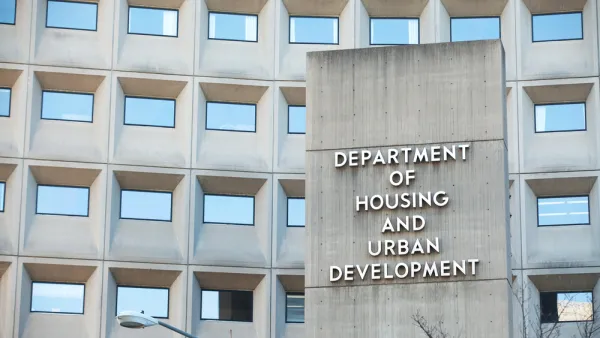
Grading Obama's Urban Policy Legacy
Some of the effects of the Obama Administration will take years to appear, but a new book already begins the process of taking stock of the administration's efforts to support and improve cities.
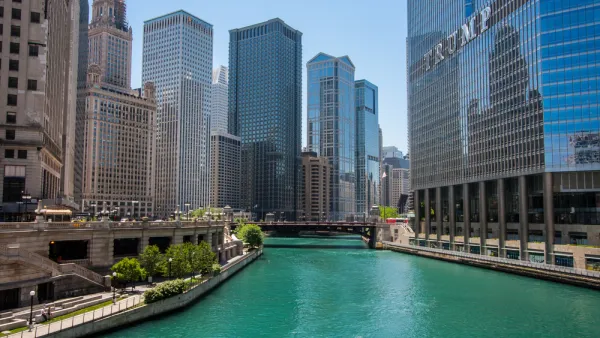
Malign Neglect? Urban Policy in the Trump Era
How much do we have to fear from the president-elect's policy plans for urban America? We can hope that he will follow his party's playbook and largely ignore the cities, but potential changes to housing policy are more serious.

Desperate measures: Advocates weigh draining Lake Powell to fill Colorado River
Draining the reservoir could reduce evaporation losses by a couple hundred thousand acre-feet.

Eastern Nebraska is running out of electricity
Data centers and electrification are straining eastern Nebraska’s grid, throttling economic development.

Move over, LA: St. Louis gears up for Olympics, invests millions in downtown redevelopment
The Missouri city will host the 2028 Olympic soccer group stage and knockout matches.

Mass. votes against statewide minimum lot size for single-family homes
Over 2 million residents voted on Question 7; it was decided by just over 30,000 votes.

Maryland’s $15 billion bridge project gains key approval
The Maryland Transit Authority said the project will create over 60,000 jobs and add $23 billion to the local economy.

‘No clear next steps’ for Chicago's permanent festival grounds
Eleventh Ward Ald. Nicole Lee has suggested Soldier Field as a possible location for the permanent event space.

FREE Course: Walkable City 1: Why Walkability?
After describing his path towards focusing on walkability as the essence of good planning, Jeff Speck marches through his five principal reasons for making more walkable places.
Reinventing Malls: Planning Alchemy—Turning Gray Fields Into Gold
The course focuses on the opportunities and imperatives that shape reinvention of mall sites.

City of Rosemead
Rutgers University, Edward J. Bloustein School of Planning and Public Policy
One Hundred Miles
University of Michigan School for Environment and Sustainability (SEAS)
Hunter College, City University of New York (CUNY)
The Architects Foundation
City of Cambridge
Montrose County
The Pocatello Development Authority