Jeff Speck, author of Suburban Nation, spoke recently at a conference in Winnepeg. 'Just as we have come to recognize that 'we are what we eat', there is a growing belief that 'we are where we live,' says Speck.


"He told the audience that planners once had much greater status in the community than they do today. The original purpose of zoning was to improve health and increase longevity by separating noxious and residential uses. As a result of their zoning bylaws, planners were hailed as heroes; sadly, however, the resulting bylaws and separation of uses have had negative impacts in subsequent years. In some cases, for instance, residential neighbourhoods have been left without shops and commercial services.
His thesis is that planners now have a new opportunity to become heroes once again by helping to avert two pending disasters: global warming and declining health standards. He warned that for the first time in history, North American health professionals fear that the life expectancy of children may be less than that of their parents."
Read the full story: City planners have a creative responsibility

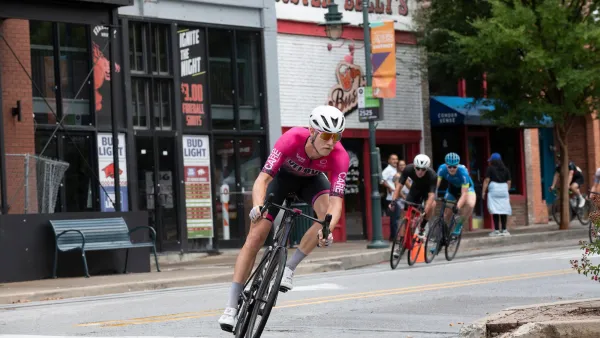
Northwest Arkansas grapples with growth as it prepares to host New Urbanism gathering
A compelling story of a fast-growing, polycentric region grappling with identity and affordability, Susan Henderson reframes CNU 34 as a hands-on workshop, inviting planners to explore Northwest Arkansas as it decides what it will become.

Two Cheers For the Planners’ Pledge
A “Planners’ Pledge” created by some of the leading authorities on planning sets forth a bold urbanist agenda- even if not every idea in the pledge is equally useful in all cities.
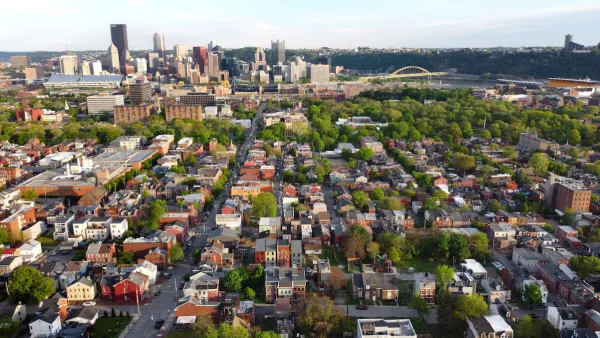
A Better Understanding of Smart Growth Benefits
Smart Growth creates compact, multimodal communities where residents consume less land, drive less, and rely more on non-auto modes. Planners have important stories to tell about the benefits of Smart Growth.

Planetizen Federal Action Tracker
A weekly monitor of how Trump’s orders and actions are impacting planners and planning in America.

The state-sanctioned urbicide of Austin
People don’t kill cities. Freeways do.

US to reduce Colorado River water deliveries to Mexico
A new Colorado Treaty amendment reduces Mexico’s Colorado River water allocation by 250,000 acre feet.

Nation's most wind-powered state turns to coal as data centers increase energy demand
For the first time in decades, Iowa has increased its generation of coal power.
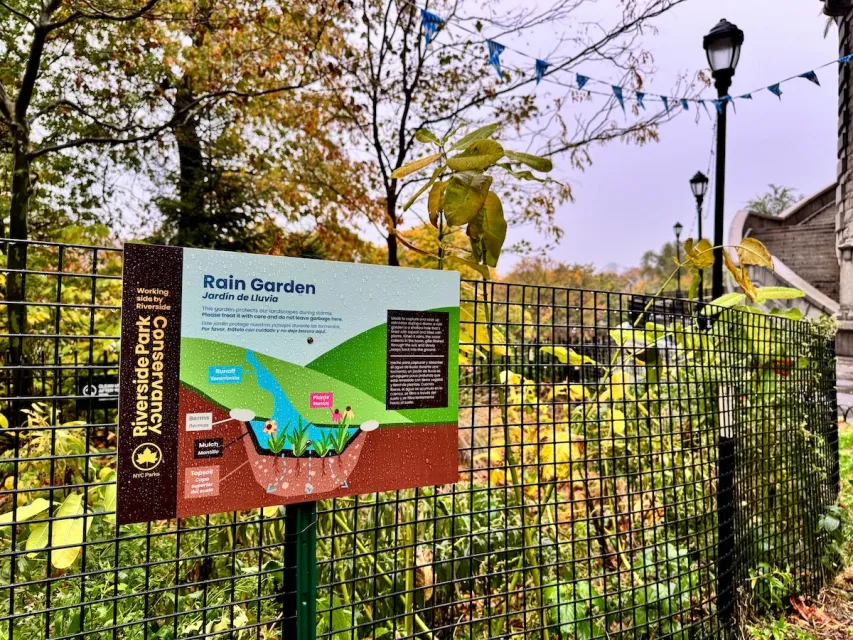
NYC cools commuters with city's first rain garden above a bus stop
New York City officials say the plants in the rain garden can absorb 16 gallons of rainwater during heavy storms.

Brightline West’s future may rely on $6 billion federal loan
The company has until Nov. 2 to make a $400 million equity investment into its proposed high-speed rail line.

FREE Course: Walkable City 1: Why Walkability?
After describing his path towards focusing on walkability as the essence of good planning, Jeff Speck marches through his five principal reasons for making more walkable places.
Reinventing Malls: Planning Alchemy—Turning Gray Fields Into Gold
The course focuses on the opportunities and imperatives that shape reinvention of mall sites.

Greater Baltimore Committee
Eagle County Government
Harvard University Graduate School of Design
The Architects Foundation
University of Cincinnati Online
The Pocatello Development Authority
The Urban Renewal Agency of the City of Pocatello
Journal of the American Planning Association