Architect Ken-Ichi Sasaki believes that planners have focused too much on the visual to the detriment of the tactile.


"Tactile knowledge" is what we feel in the presence of an object: the smells of a street, the texture of a building, the grade of a hill. It is the knowledge gained though contact or direct experience with an event or environment, and is closely related to Jacobs's concept of "locality knowledge" as well as to F.A. Hayek's "local knowledge." While Mr. Sasaki focuses on one's perception of physical objects rather than the social relations with which Jacobs and especially Hayek are primarily concerned, the significance he attaches to the knowledge of "the particular circumstances of time and place" (to quote Hayek) is, I think, the same."
"Mr. Sasaki argues that in recent history, and outside of Tokyo at least, there has been a shift from the tactile to the visual in urban planners' notion of what makes a city beautiful. I would imagine this has a lot to do with the transition, especially in the 20th century, from a pedestrian- to a vehicular-based urban perspective. Today we are more likely to experience most cities from the seat of a car than from a sidewalk, and contemporary designs for public spaces seem to reflect that."
Read the full story: Ken-Ichi Sasaki on Urban "Tactility"

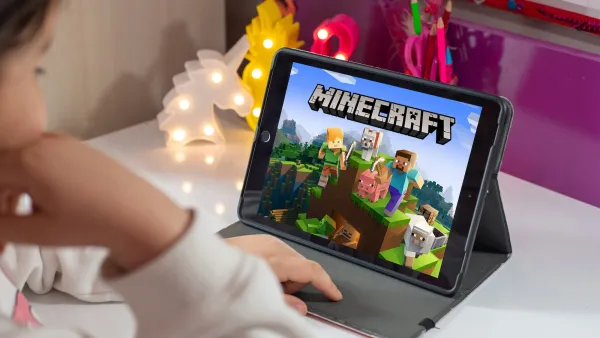
Children in 55 countries are redesigning their cities in Minecraft
A U.N.-backed program lets students and community members reimagine sites in their neighborhoods in the game — and translate them into real-life buildings.
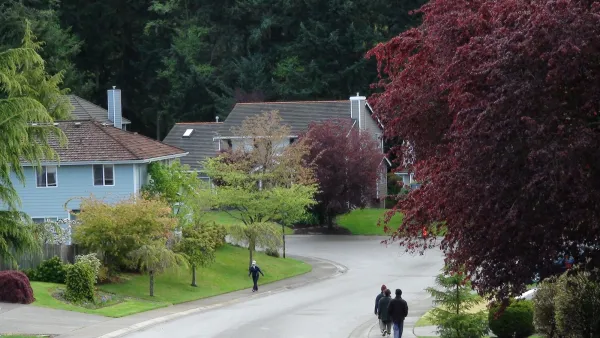
Move over, zoning. Housing’s unsung hero is better street design.
The physical layout of infrastructure is the quiet force that shapes housing supply.
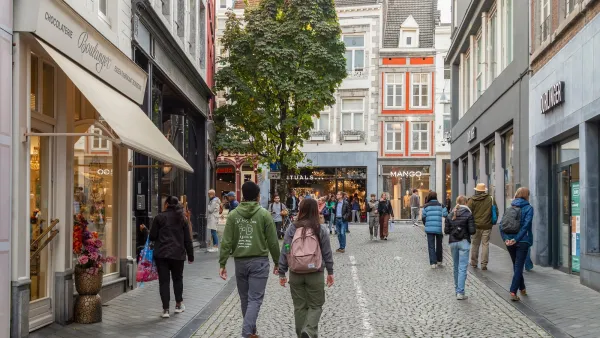
Planning for Love, Part 3: Enhancing human connection through walkability
In the third and final installment of this series, author Hannah Kosoff examines what her research findings say about modern dating and urban form.

Planetizen Federal Action Tracker
A weekly monitor of how Trump’s orders and actions are impacting planners and planning in America.

The state-sanctioned urbicide of Austin
People don’t kill cities. Freeways do.

US to reduce Colorado River water deliveries to Mexico
A new Colorado Treaty amendment reduces Mexico’s Colorado River water allocation by 250,000 acre feet.

Nation's most wind-powered state turns to coal as data centers increase energy demand
For the first time in decades, Iowa has increased its generation of coal power.
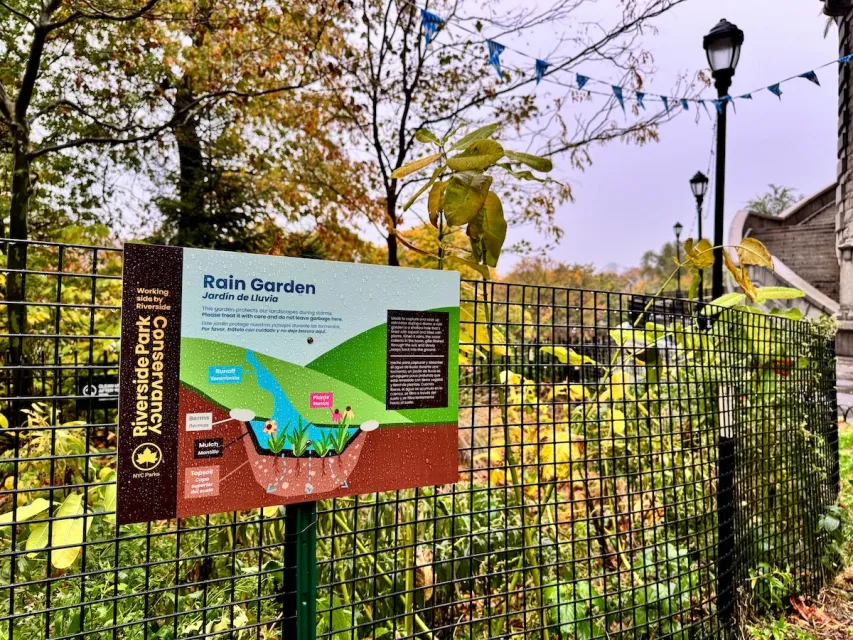
NYC cools commuters with city's first rain garden above a bus stop
New York City officials say the plants in the rain garden can absorb 16 gallons of rainwater during heavy storms.

Brightline West’s future may rely on $6 billion federal loan
The company has until Nov. 2 to make a $400 million equity investment into its proposed high-speed rail line.

FREE Course: Walkable City 1: Why Walkability?
After describing his path towards focusing on walkability as the essence of good planning, Jeff Speck marches through his five principal reasons for making more walkable places.
Reinventing Malls: Planning Alchemy—Turning Gray Fields Into Gold
The course focuses on the opportunities and imperatives that shape reinvention of mall sites.

Greater Baltimore Committee
Eagle County Government
Harvard University Graduate School of Design
The Architects Foundation
University of Cincinnati Online
The Pocatello Development Authority
The Urban Renewal Agency of the City of Pocatello
Journal of the American Planning Association