Awareness is increasing of the evils of the ubiquitous plastic water bottle. Elizabeth Royte suggests a solution- the return of the public fountain, a neglected staple of yesteryear.


"Water fountain season is here. New York City workers have turned on bubblers in the parks, and the Icelandic artist Olafur Eliasson has begun to erect four enormous waterfalls in the harbor, each 90 to 120 feet high, that are scheduled to flow from July to October. The shimmering cascades will cost the city nothing (the $15 million cost is being paid by private donations to the Public Art Fund), but here's a better idea for a civic-minded organization or person interested in celebrating water: sidewalk fountains in places outside the parks."
"An entire generation of Americans has grown up thinking public faucets equal filth, and the only water fit to drink comes in plastic, factory sealed. It's time to change that perception with public fountains in the city's busiest quadrants, pristine bubblers that celebrate the virtues of our public water supply, remind us of our connection to upstate watersheds and reinforce our commitment to clean water for all."
Read the full story: A Fountain on Every Corner


San Francisco Enacts Plastic Water Bottle Ban
First came plastic bags, then styrofoam cups, and now, plastic water bottles—though the ban is not as far-reaching as the former two in that it is restricted to sales on city property, including street fairs.
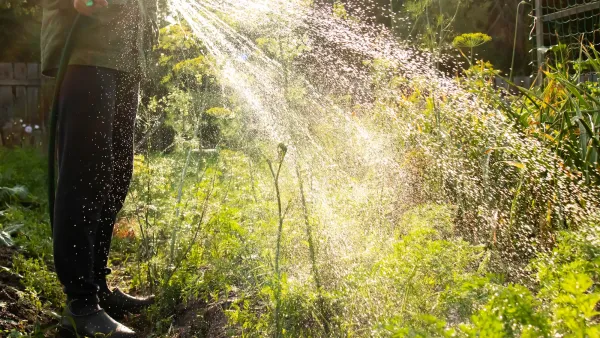
Climate change could double household water costs in some cities, study finds
New research suggests that climate change-related stressors are straining municipal water systems.
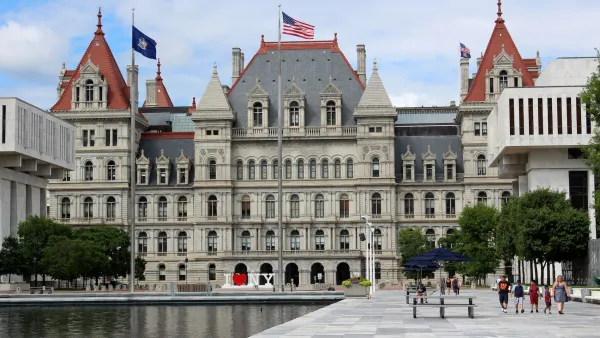
New York legislature passes one-year data center ban
The bill also calls for an impact report from the state's environmental agency and public hearings for large data center proposals.

Planetizen Federal Action Tracker
A weekly monitor of how Trump’s orders and actions are impacting planners and planning in America.

Data reveals that NYC’s bet on congestion pricing has paid off
After almost two years of the program, reports show positive impacts on traffic and air quality and no disruptions to parking.

HUD modernizes 50-year-old manufactured housing framework
The Next Generation Manufactured Housing Action Plan establishes new energy-efficiency standards for manufactured homes, and new guidelines for anchoring them.

Chicago city vehicles are on the hunt for illegally-parked cars
Cameras on the vehicles can automatically issue tickets to drivers who park their cars in bus or bike lanes.

Small single-family homes are illegal in most of MA. Voters can change that
Most land zoned for single-family housing in Massachusetts requires at least 40,000 square feet of land per house.

Public steps inside U.S.’s first battery-powered train
Metra’s groundbreaking train feature modern seats and a futuristic battery car.

FREE Course: Walkable City 1: Why Walkability?
After describing his path towards focusing on walkability as the essence of good planning, Jeff Speck marches through his five principal reasons for making more walkable places.
Reinventing Malls: Planning Alchemy—Turning Gray Fields Into Gold
The course focuses on the opportunities and imperatives that shape reinvention of mall sites.

One Hundred Miles
County of Mendocino
planning NEXT
The Architects Foundation
University of Cincinnati Online
Montrose County
Northern Illinois Transit Authority (NITA)
The Pocatello Development Authority