The City Manager of Portland, Maine terminates 98 positions, including the Urban Designer and Historic Preservation staff, eliminates the Parks Department, and moves the Economic Development department in to the Administrative office.


On April 4, Joe Gray, City Manager of Portland Maine, terminated 98 staff positions, including the Urban Designer and Historic Preservation staff, and also eliminated the Parks Department. The Economic Development department was moved in to the City Manager's office. The City Council will hear public input on April 29 and May 5 on these changes.
The City's Historic Preservation staff was in the process of establishing an historic district along Congress Street - the main street of downtown Portland. This initiative was facing opposition from business leaders. The loss of City staff may impact this project.
The City's Urban Design position has faced challenges from the development community which seeks to reduce design review. The Portland Chamber released a report last week that provides recommendations for restructuring the development review process and includes the following: "Aesthetic concerns should be minimized wherever possible..."
This opinion that design review should be minimized in order to facilitate development reinforces the decision of the City Manager's office to terminate the Urban Design and historic preservation positions. It is unclear if the termination of these positions was a budget decision, or rather a policy and staffing decision made under the guise of a budget crisis. Either way, the sense of place of Portland, Maine could be significantly impacted.
Read the full story: History takes a hit

Children in 55 countries are redesigning their cities in Minecraft
A U.N.-backed program lets students and community members reimagine sites in their neighborhoods in the game — and translate them into real-life buildings.
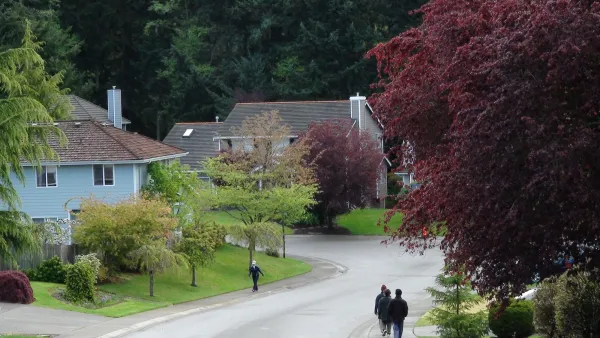
Move over, zoning. Housing’s unsung hero is better street design.
The physical layout of infrastructure is the quiet force that shapes housing supply.
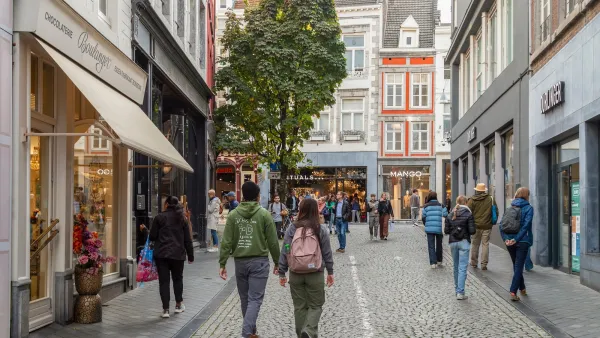
Planning for Love, Part 3: Enhancing human connection through walkability
In the third and final installment of this series, author Hannah Kosoff examines what her research findings say about modern dating and urban form.

Planetizen Federal Action Tracker
A weekly monitor of how Trump’s orders and actions are impacting planners and planning in America.

Eastern Nebraska is running out of electricity
Data centers and electrification are straining eastern Nebraska’s grid, throttling economic development.

California High-Speed Rail Authority picks trainset manufacturer
The California High-Speed Rail Authority aims to start servicing passengers by 2033.

States are counting on battery farms. Some towns don’t want them.
While fire safety has improved, some communities are still wary.

Dallas releases zoning code overhaul to officials
The drafted overhaul is over 400 pages long.

NYC renovations for dangerous, ‘mercilessly crammed’ street delayed until 2027
Construction was supposed to begin this fall.

FREE Course: Walkable City 1: Why Walkability?
After describing his path towards focusing on walkability as the essence of good planning, Jeff Speck marches through his five principal reasons for making more walkable places.
Reinventing Malls: Planning Alchemy—Turning Gray Fields Into Gold
The course focuses on the opportunities and imperatives that shape reinvention of mall sites.

City of Rosemead
Rutgers University, Edward J. Bloustein School of Planning and Public Policy
One Hundred Miles
University of Michigan School for Environment and Sustainability (SEAS)
Hunter College, City University of New York (CUNY)
The Architects Foundation
City of Cambridge
The Pocatello Development Authority
The Urban Renewal Agency of the City of Pocatello