Forget major rail expansion. The Tampa Bay Area Regional Transit Authority hopes a new bill will first allow it to afford office space and hire an executive director.


"The transportation authority responsible for creating a mass transit plan for the Tampa Bay area is so cash poor it can't hire an executive director.
Known as TBARTA -- an acronym for Tampa Bay Area Regional Transportation Authority -- the authority doesn't have money to lease office space, pay an administrative assistant or hire even one transportation engineer.
But the funding situation would change dramatically under a bill sponsored by Rep. Bill Galvano, R-Bradenton. His legislation would take millions of dollars from rental car surcharges now going to the Department of Transportation and divert the funds to regional transportation authorities such as TBARTA.
The authority represents Citrus, Hernando, Hillsborough, Manatee, Pasco, Pinellas and Sarasota counties, and offers one of the best chances to unite the region behind a single mass transit plan."
Read the full story: Plan Funds Transit Authority
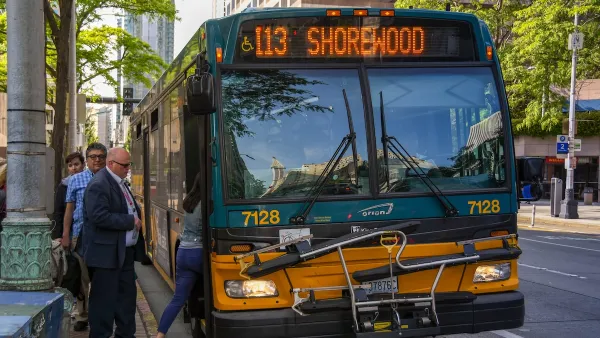
275,000 bus trips are at stake on Seattle's ballot
If passed, the Seattle Transit Measure would trigger a 0.3% sales tax and raise an average of $138 million per year to maintain and expand Seattle’s bus services.
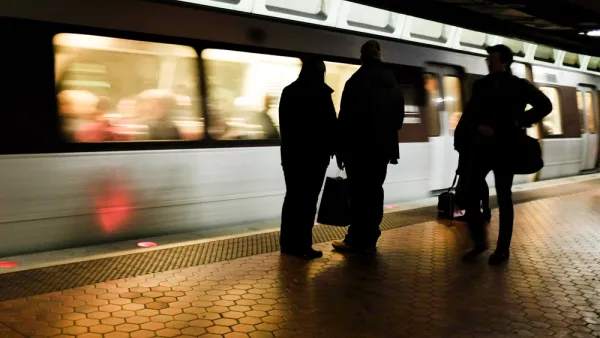
Southern Maryland Rapid Transit Proposal Moves Forward
The state assembly has asked the department of transportation to begin research and planning for a rapid transit line that would connect residents with jobs in Washington, D.C. and reduce traffic congestion in the region.
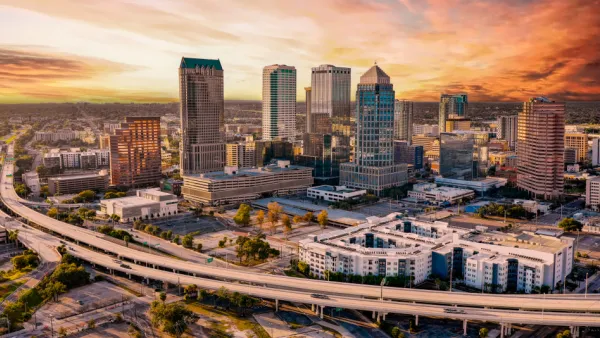
Tampa Bay Commits to Electric Regional Rapid Transit
The transit agency’s board voted to use all-electric buses in its planned bus rapid transit fleet, but criticism of plans to expand a freeway to accommodate the new route remain.

Desperate measures: Advocates weigh draining Lake Powell to fill Colorado River
Draining the reservoir could reduce evaporation losses by a couple hundred thousand acre-feet.

Eastern Nebraska is running out of electricity
Data centers and electrification are straining eastern Nebraska’s grid, throttling economic development.

Move over, LA: St. Louis gears up for Olympics, invests millions in downtown redevelopment
The Missouri city will host the 2028 Olympic soccer group stage and knockout matches.

Mass. votes against statewide minimum lot size for single-family homes
Over 2 million residents voted on Question 7; it was decided by just over 30,000 votes.

Maryland’s $15 billion bridge project gains key approval
The Maryland Transit Authority said the project will create over 60,000 jobs and add $23 billion to the local economy.

‘No clear next steps’ for Chicago's permanent festival grounds
Eleventh Ward Ald. Nicole Lee has suggested Soldier Field as a possible location for the permanent event space.

FREE Course: Walkable City 1: Why Walkability?
After describing his path towards focusing on walkability as the essence of good planning, Jeff Speck marches through his five principal reasons for making more walkable places.
Reinventing Malls: Planning Alchemy—Turning Gray Fields Into Gold
The course focuses on the opportunities and imperatives that shape reinvention of mall sites.

City of Rosemead
Rutgers University, Edward J. Bloustein School of Planning and Public Policy
One Hundred Miles
University of Michigan School for Environment and Sustainability (SEAS)
Hunter College, City University of New York (CUNY)
The Architects Foundation
City of Cambridge
Montrose County
The Pocatello Development Authority