As some baseball teams end their runs at Spring Training sites in Florida and Arizona, the two states clamor to attract teams and the economic benefits that follow.


"Spring training in Florida is over with the start of Major League Baseball's regular 162-game season this week, and it's also the end of an era for Florida cities like Vero Beach, Winter Haven, St. Petersburg and perhaps Sarasota, which are losing teams to Arizona or new Florida locales."
"Florida this year played host to 18 Major League Baseball teams and Arizona was the training home of 12. It will be 16-14, respectively, in 2009, or an even 15-15 if the Cincinnati Reds leave Sarasota, as they're threatening to do."
"Local pride and the possibility of economic benefits are at stake as the states slug it out to attract teams for the annual six-week ritual. Teams use their time in the warm weather to test out new players, work out returning veterans and decide on their coming year's roster."
FULL STORY: Ariz., Fla. duel for spring training role

Cities See Mixed Returns on Spring Training Investments
While some cities in Florida have shelled out big money to build baseball stadia for professional teams' spring training, many of those teams are moving their spring programs to other cities, raising concerns about the wisdom of those investments.
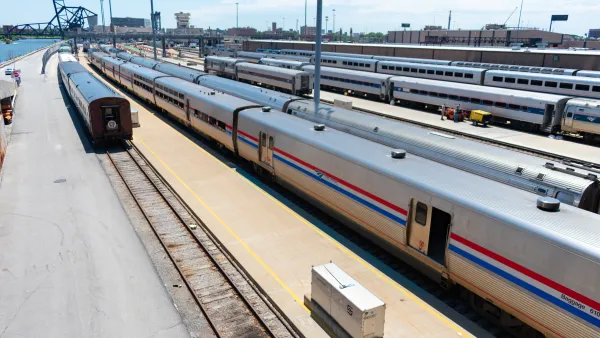
Chicago Amtrak funding makes way for new White Sox stadium
The new funding is the first step in Amtrak vacating its 14th Street rail yard, the future development site of a new baseball stadium.
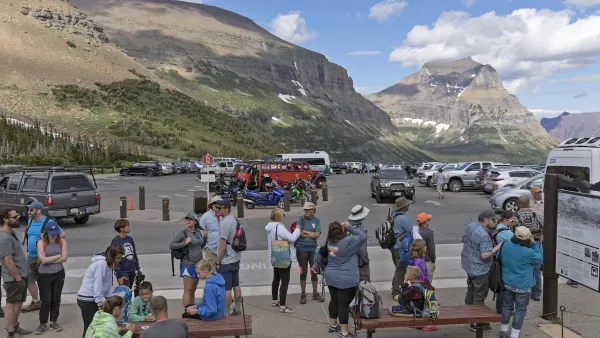
Glacier National Park drops reservation requirement, plans to double down on shuttle network
Since 2021, visitors with cars have had to make a reservation to access the park.

The state-sanctioned urbicide of Austin
People don’t kill cities. Freeways do.

US to reduce Colorado River water deliveries to Mexico
A new Colorado Treaty amendment reduces Mexico’s Colorado River water allocation by 250,000 acre feet.

New Jersey’s second-largest city bans standalone data centers
Jersey City will continue to allow co-location facilities, such as those meant for research institutions that store their own data.

Amtrak not solely to blame for New Jersey commuter rail's unreliability, report finds
A new study from the Garden State Initiative found that NJ Transit’s budget grew 20% across a 4 year period, but reliability declined significantly over the same period.

EPA erases limits on planet-warming pollution from power plants
Under Monday’s plan, power plants would still have some limits on how much mercury, arsenic and other contaminants they can emit.

Phoenix announces new on-demand transit service, more frequent RAPID buses
Both new services will launch in October, and are part of Phoenix's Project Effective Access Solutions for Easing Congestion.

FREE Course: Walkable City 1: Why Walkability?
After describing his path towards focusing on walkability as the essence of good planning, Jeff Speck marches through his five principal reasons for making more walkable places.
Reinventing Malls: Planning Alchemy—Turning Gray Fields Into Gold
The course focuses on the opportunities and imperatives that shape reinvention of mall sites.

Eagle County Government
Harvard University Graduate School of Design
Nashville Planning Department
The Architects Foundation
University of Cincinnati Online
The Pocatello Development Authority
The Urban Renewal Agency of the City of Pocatello
Journal of the American Planning Association