Access to transportation for the elderly is of increasing concern as baby boomers approach retirement. Though the problem is major, many communities already have some programs in place to improve mobility for seniors.


"As the oldest of the nation's 79 million baby boomers turn 61 this year, the specter of aging and its consequences loom large. Boomers may be worrying about their parents now but know they may experience similar challenges someday."
"Concern over how the bulging population of seniors will get around in a sprawling nation heavily dependent on the automobile is paramount among advocates for the elderly - so much so that Markwood's group is making transportation the centerpiece of its annual "Home for the Holidays" campaign."
"'Half of American households don't have access to adequate transportation options other than cars,' Markwood says. 'Rural America and suburbs don't have public transportation available.'"
"Through the Eldercare Locator program the association administers nationwide, the group is encouraging adult children visiting their aging parents to take appropriate steps to connect Mom and Dad with a way to get to the doctor, the pharmacy, the beauty shop or the grocery store. The group is getting the word out - through brochures that will be distributed by local agencies for the aging - that many areas provide free transportation to the elderly."
Read the full story: Senior transportation a growing concern


Planetizen Federal Action Tracker
A weekly monitor of how Trump’s orders and actions are impacting planners and planning in America.

The state-sanctioned urbicide of Austin
People don’t kill cities. Freeways do.

Colorado’s Largest Data Center Could Rise Next to Homes — Without a Public Hearing
The proposed campus would consume 11 times the power of Denver International Airport; as it has across the country, opposition mounts.
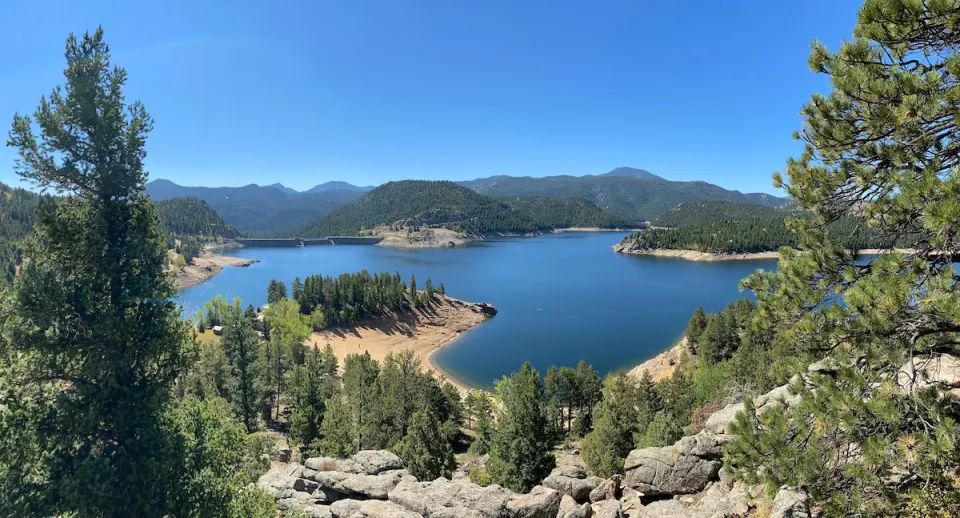
Judges permit Denver to divert 77,000 acre feet from the Colorado River for reservoir expansion
Overuse and climate change have caused the Colorado River’s water levels to plummet.
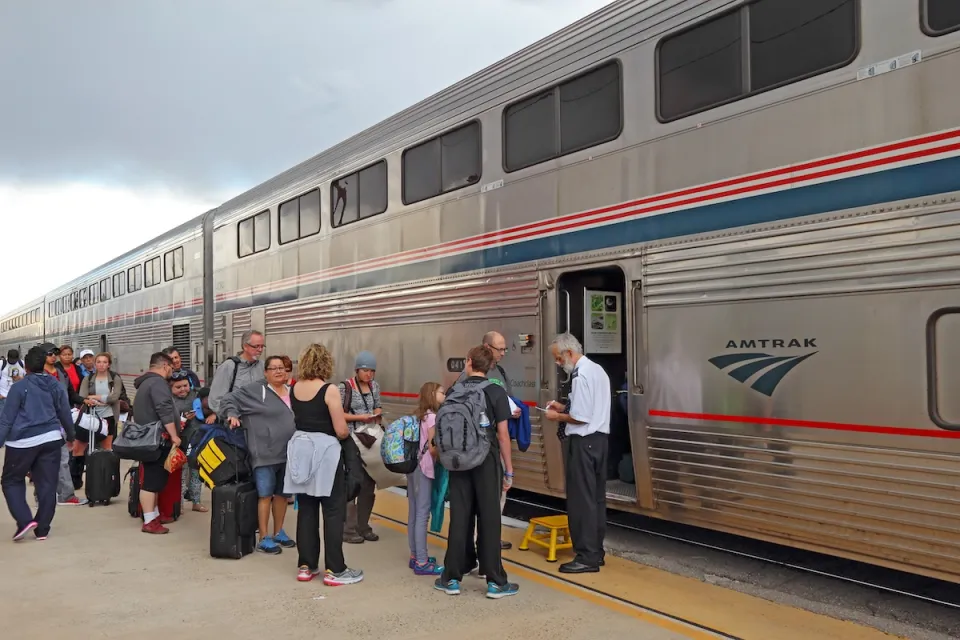
Amtrak, CN end decades-long dispute with eight-year agreement
The new operating agreement establishes an updated framework for the companies to work together, including processes to resolve disputes.
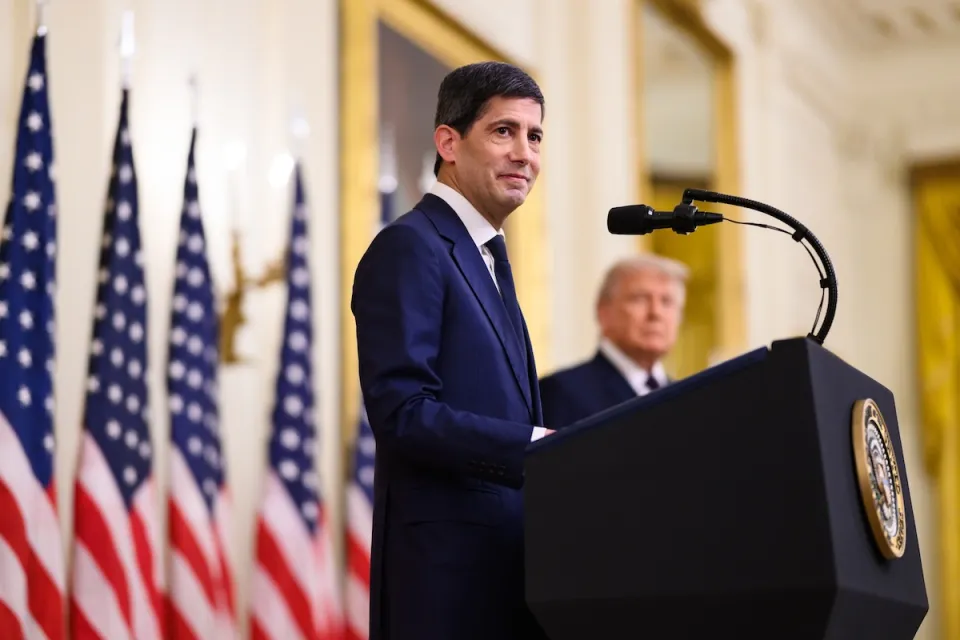
Raised interest rates may kill financially vulnerable construction projects
The chief economist at ConstructConnect warns that if construction project owners are negatively impacted by the raised rates, it could result in delayed payments to contractors.

FREE Course: Walkable City 1: Why Walkability?
After describing his path towards focusing on walkability as the essence of good planning, Jeff Speck marches through his five principal reasons for making more walkable places.
Reinventing Malls: Planning Alchemy—Turning Gray Fields Into Gold
The course focuses on the opportunities and imperatives that shape reinvention of mall sites.

Greater Baltimore Committee
Eagle County Government
Harvard University Graduate School of Design
The Architects Foundation
University of Cincinnati Online
The Pocatello Development Authority
The Urban Renewal Agency of the City of Pocatello
Journal of the American Planning Association