Toronto has been planning on redeveloping its waterfront for years, but the process is slow-moving. Across the world, a similar physical layout in Stockholm is boasting quick planning and successful implementation.


Two cities on the waterfront -- Toronto, Canada, and Stockholm, Sweden -- have identified their locations as key opportunities for redevelopment and economic revival. Much about their physical layout is the same, but differences in planning have left Toronto far behind its Swedish counterpart in implementing a plan for its waterfront. Toronto's waterfront redevelopment is the subject of many discussions and little action, while development in Stockholm advances.
"The physical resemblance between the two waterfronts is striking. Both were once industrial harbours that fell into disuse. Both are also close to the heart of the city, easily reachable by public transit."
"The big difference lies in the attitudes each city brings to the project. Planning in Stockholm began in 1990 and construction is well underway. Already 7,500 people live in these new areas. By 2015, when complete, there will be up to 25,000 residents and 10,000 workers."
Read the full story: What's wrong with us?


Planetizen Federal Action Tracker
A weekly monitor of how Trump’s orders and actions are impacting planners and planning in America.

Colorado’s Largest Data Center Could Rise Next to Homes — Without a Public Hearing
The proposed campus would consume 11 times the power of Denver International Airport; as it has across the country, opposition mounts.

US to reduce Colorado River water deliveries to Mexico
A new Colorado Treaty amendment reduces Mexico’s Colorado River water allocation by 250,000 acre feet.

'This is going to be painful:’ Virginia stares down $1.7 billion funding gap for highway maintenance
The state may address the deficit by shifting $290 million from its construction budget to maintenance projects.
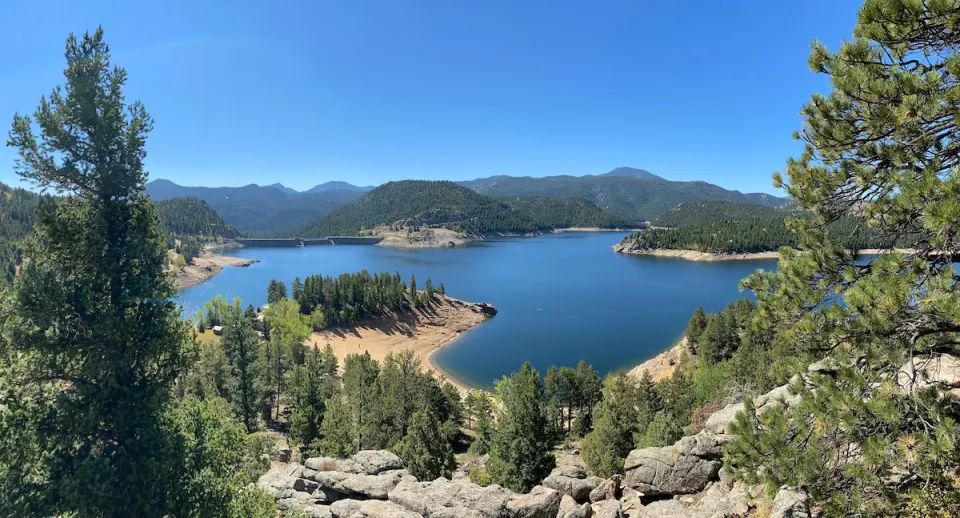
Judges permit Denver to divert 77,000 acre feet from the Colorado River for reservoir expansion
Overuse and climate change have caused the Colorado River’s water levels to plummet.

Amtrak, CN end decades-long dispute with eight-year agreement
The new operating agreement establishes an updated framework for the companies to work together, including processes to resolve disputes.

FREE Course: Walkable City 1: Why Walkability?
After describing his path towards focusing on walkability as the essence of good planning, Jeff Speck marches through his five principal reasons for making more walkable places.
Reinventing Malls: Planning Alchemy—Turning Gray Fields Into Gold
The course focuses on the opportunities and imperatives that shape reinvention of mall sites.

KFH Group Inc.
Greater Baltimore Committee
Eagle County Government
The Architects Foundation
University of Cincinnati Online
The Pocatello Development Authority
The Urban Renewal Agency of the City of Pocatello