How environmental activism has changed.


"...green politics may at last be finding its voice again in the United States. In the past, most environmentalists did not bother to articulate much of an economic message. Perhaps because they tended to be economically comfortable themselves, they overlooked the fact that many Americans live paycheck to paycheck and thus need to hear that green policies can mean not only cleaner air but also more and better jobs...
The successes [of environmental groups] have a number of themes in common, beginning with a focus on economically attractive solutions rather than downbeat warnings of disaster...Another key has been reaching out to new and sometimes ideologically or culturally distant constituencies, and doing so in plain language that ordinary people can grasp (rather than the policy-wonk gibberish that environmentalists often utter). A third element has been an emphasis on sustained local organizing that grows the movement's base of support and seeks to build real political power--a departure from many groups' reliance on activist insiders skilled in lobbying, litigation and other tactics aimed at the status quo."
Thanks to Jon Cecil, AICP
Read the full story: Green Goes Mainstream


Planetizen Federal Action Tracker
A weekly monitor of how Trump’s orders and actions are impacting planners and planning in America.

The state-sanctioned urbicide of Austin
People don’t kill cities. Freeways do.
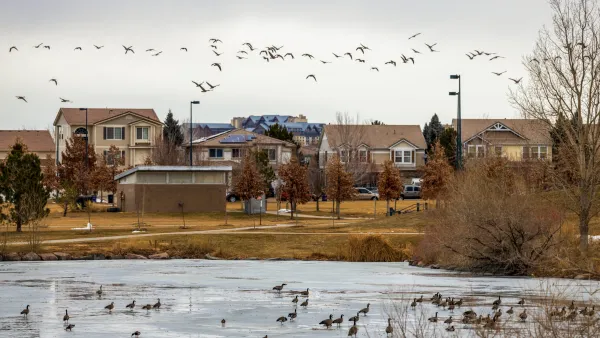
Colorado’s Largest Data Center Could Rise Next to Homes — Without a Public Hearing
The proposed campus would consume 11 times the power of Denver International Airport; as it has across the country, opposition mounts.
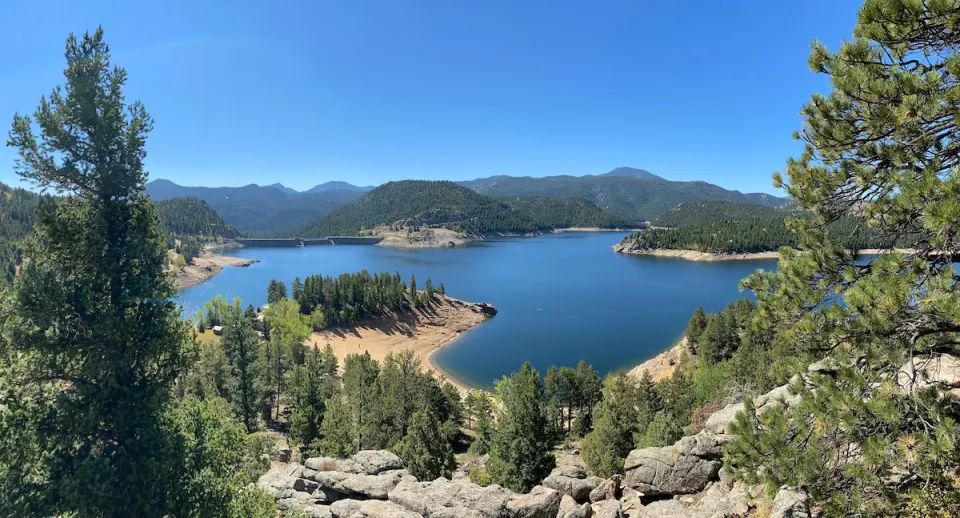
Judges permit Denver to divert 77,000 acre feet from the Colorado River for reservoir expansion
Overuse and climate change have caused the Colorado River’s water levels to plummet.
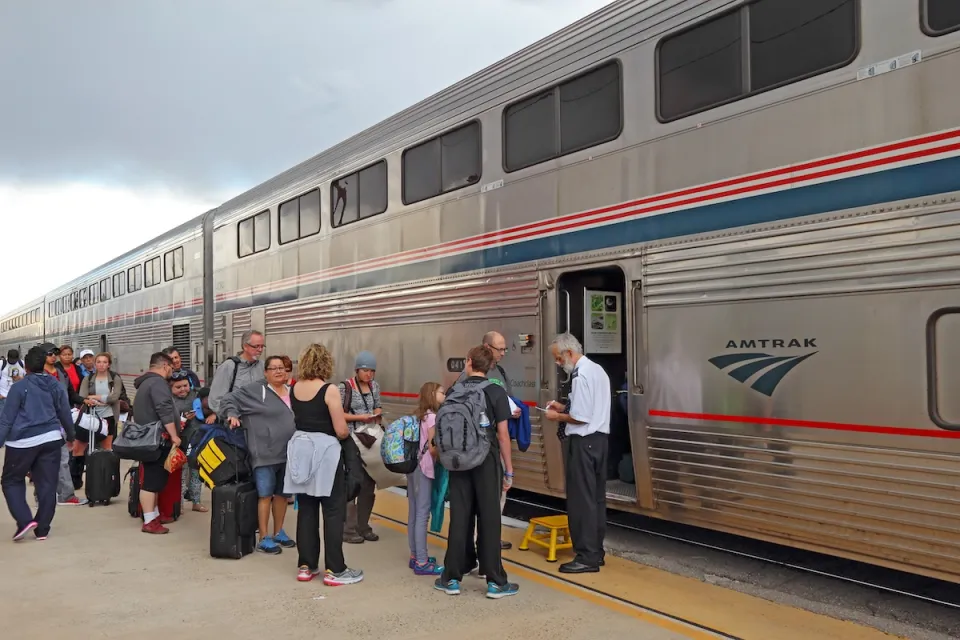
Amtrak, CN end decades-long dispute with eight-year agreement
The new operating agreement establishes an updated framework for the companies to work together, including processes to resolve disputes.
Raised interest rates may kill financially vulnerable construction projects
The chief economist at ConstructConnect warns that if construction project owners are negatively impacted by the raised rates, it could result in delayed payments to contractors.

FREE Course: Walkable City 1: Why Walkability?
After describing his path towards focusing on walkability as the essence of good planning, Jeff Speck marches through his five principal reasons for making more walkable places.
Reinventing Malls: Planning Alchemy—Turning Gray Fields Into Gold
The course focuses on the opportunities and imperatives that shape reinvention of mall sites.

KFH Group Inc.
Greater Baltimore Committee
Eagle County Government
The Architects Foundation
University of Cincinnati Online
The Pocatello Development Authority
The Urban Renewal Agency of the City of Pocatello