NorthWest Crossing employs design principles such as a grid of interconnected narrow streets, a mix of architectural styles, and shops, pocket parks, and schools within walking distance of most homes.


"NorthWest Crossing, like many similar developments across the U.S., employs design principles derived from some of Bend's beloved older neighborhoods. These include a grid of interconnected narrow streets, a mix of architectural styles, and shops, parks, and schools within walking distance of most homes. The consultant team was familiar with these elements but found that some education was needed to convince city planners and other regulators of the benefits of such new methods.
The developers and design team believed that adhering to these 'new' design principles would result in safe, attractive, walkable tree-lined streets and neighborhoods that would likely encourage greater social interaction andâ€"even more importantlyâ€"would prove to be a compelling marketing tool, attracting a range of residents, from young couples to retirees."
Thanks to Simmons Buntin
Read the full story: Unsprawl Case Study: North West Crossing Crossing, Benf Oregon


Planetizen Federal Action Tracker
A weekly monitor of how Trump’s orders and actions are impacting planners and planning in America.

Data reveals that NYC’s bet on congestion pricing has paid off
After almost two years of the program, reports show positive impacts on traffic and air quality and no disruptions to parking.
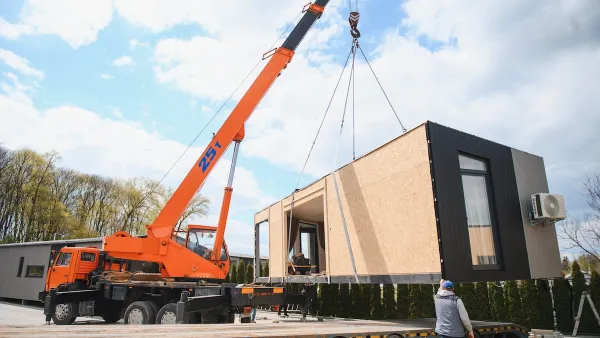
HUD modernizes 50-year-old manufactured housing framework
The Next Generation Manufactured Housing Action Plan establishes new energy-efficiency standards for manufactured homes, and new guidelines for anchoring them.

This Chicago neighborhood is using planning to increase life expectancy
The Garfield Park Quality-Of-Life Plan aims to bring residents everything from easier access to fresh food to revitalized commercial corridors.

Boston connects suburbs to the city with 5 free bus routes
The city will launch the new routes in 2027, and offer them for at least three years.

Who pays when a remote Alaska village can no longer stay?
A year after ex-Typhoon Halong, the struggle for two communities to find safer ground has become part of a national debate over who should bear the costs of the climate crisis.

FREE Course: Walkable City 1: Why Walkability?
After describing his path towards focusing on walkability as the essence of good planning, Jeff Speck marches through his five principal reasons for making more walkable places.
Reinventing Malls: Planning Alchemy—Turning Gray Fields Into Gold
The course focuses on the opportunities and imperatives that shape reinvention of mall sites.

Rutgers University, Edward J. Bloustein School of Planning and Public Policy
One Hundred Miles
County of Mendocino
The Architects Foundation
University of Cincinnati Online
Montrose County
Northern Illinois Transit Authority (NITA)
The Pocatello Development Authority