Decision comes amid conflicting smart growth and neighborhood-level planning approaches, which differ over treatment of larger homes.


"After years of debate over the issue, the resolution of the McMansions issue was swift. Council directed, considered, and passed an interim moratorium on the overstuffed houses at its Feb. 16 meeting. That interim ordinance is expected to hold until early May, when an appointed stakeholders task force is expected to come up with a permanent solution to the problem.
If City Council has held fast to any credo over the last decade, it's the belief that inner-city density is good and suburban sprawl is bad, a principle reinforced at regular intervals by the Planning Commission, Save Our Springs Alliance, and the Sierra Club. That ideal utopia of Austin as a highly dense, highly walkable city has been easy for City Council to embrace because it has rarely been in direct conflict with Council's second tenet, which is to back neighborhoods' input on zoning issues whenever possible, a philosophy articulated by the rise of the neighborhood-planning process in Austin."
Read the full story: The Rise of McMansions


Planetizen Federal Action Tracker
A weekly monitor of how Trump’s orders and actions are impacting planners and planning in America.

The state-sanctioned urbicide of Austin
People don’t kill cities. Freeways do.

Colorado’s Largest Data Center Could Rise Next to Homes — Without a Public Hearing
The proposed campus would consume 11 times the power of Denver International Airport; as it has across the country, opposition mounts.

Nation's most wind-powered state turns to coal as data centers increase energy demand
For the first time in decades, Iowa has increased its generation of coal power.
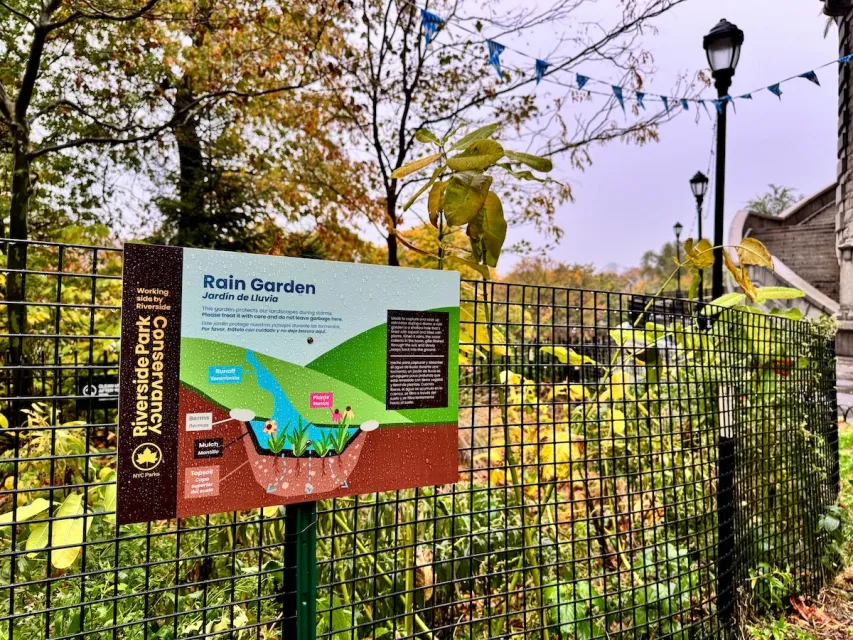
NYC cools commuters with city's first rain garden above a bus stop
New York City officials say the plants in the rain garden can absorb 16 gallons of rainwater during heavy storms.

Brightline West’s future may rely on $6 billion federal loan
The company has until Nov. 2 to make a $400 million equity investment into its proposed high-speed rail line.

FREE Course: Walkable City 1: Why Walkability?
After describing his path towards focusing on walkability as the essence of good planning, Jeff Speck marches through his five principal reasons for making more walkable places.
Reinventing Malls: Planning Alchemy—Turning Gray Fields Into Gold
The course focuses on the opportunities and imperatives that shape reinvention of mall sites.

Greater Baltimore Committee
Eagle County Government
Harvard University Graduate School of Design
The Architects Foundation
University of Cincinnati Online
The Pocatello Development Authority
The Urban Renewal Agency of the City of Pocatello
Journal of the American Planning Association