Residents and local officials of St. Louis, Michigan, look to finally shed their image as a toxic landmark. However, with large shortages in the federal Superfund budget their efforts couldn't have come at a worse time.


"For more than two decades, the tiny city [of St. Louis, Michigan] 50 miles north of Lansing has tried to escape the shadow of its polluted past, and it's failed every time. The government found old pesticides laced deep into the bottom of the river that cuts through the middle of town and a syrupy ooze of industrial poisons pouring out of the dump where the city's old chemical plant is buried. Every time it solves one problem, another bubbles up.
And now something has bled into the city's drinking water.
Federal officials insist the pesticide-making byproduct they detected in three of the city's wells in tests over the past year is not dangerous, though many people don't believe them. Either way, the chemical plant that played a key role in the state's PBB livestock contamination crisis almost 30 years ago -- leaving behind one of the worst and potentially most expensive toxic messes in Michigan -- has found yet another way to haunt this city."
Thanks to Mike Lydon
Read the full story: Toxic Town


Planetizen Federal Action Tracker
A weekly monitor of how Trump’s orders and actions are impacting planners and planning in America.
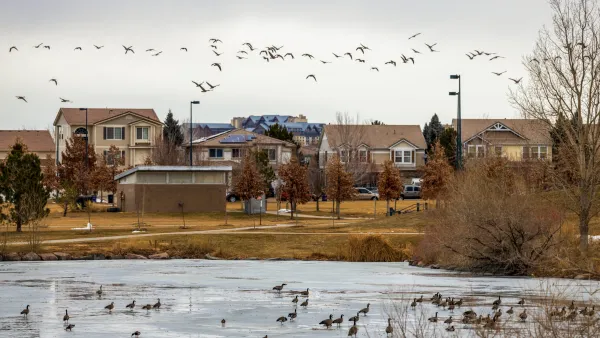
Colorado’s Largest Data Center Could Rise Next to Homes — Without a Public Hearing
The proposed campus would consume 11 times the power of Denver International Airport; as it has across the country, opposition mounts.

US to reduce Colorado River water deliveries to Mexico
A new Colorado Treaty amendment reduces Mexico’s Colorado River water allocation by 250,000 acre feet.

'This is going to be painful:’ Virginia stares down $1.7 billion funding gap for highway maintenance
The state may address the deficit by shifting $290 million from its construction budget to maintenance projects.
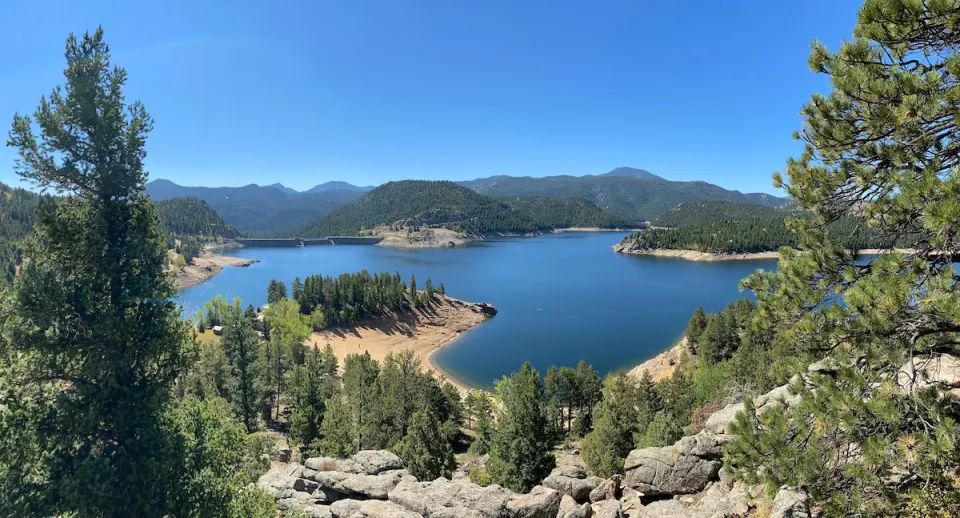
Judges permit Denver to divert 77,000 acre feet from the Colorado River for reservoir expansion
Overuse and climate change have caused the Colorado River’s water levels to plummet.
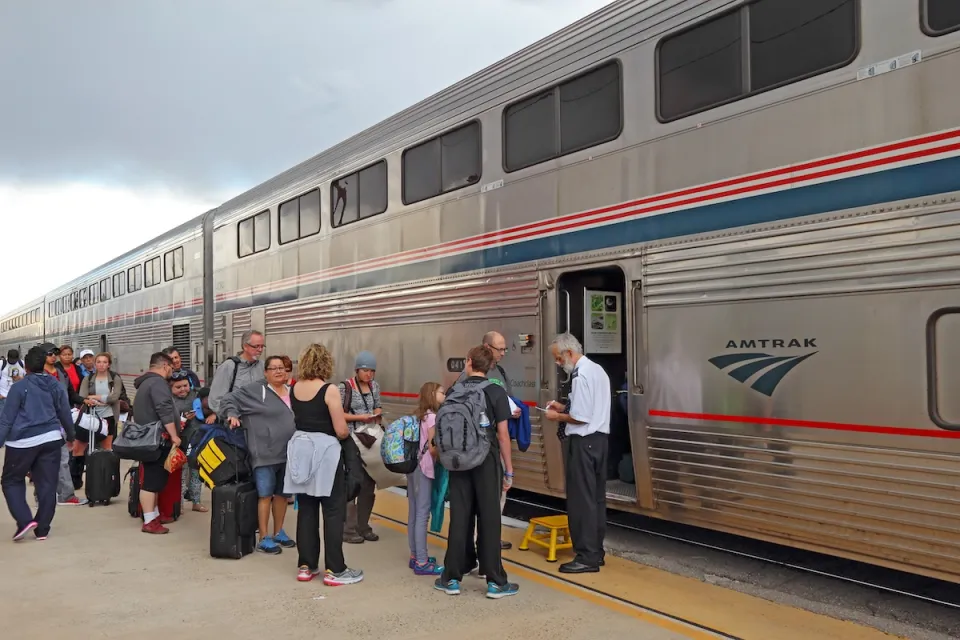
Amtrak, CN end decades-long dispute with eight-year agreement
The new operating agreement establishes an updated framework for the companies to work together, including processes to resolve disputes.

FREE Course: Walkable City 1: Why Walkability?
After describing his path towards focusing on walkability as the essence of good planning, Jeff Speck marches through his five principal reasons for making more walkable places.
Reinventing Malls: Planning Alchemy—Turning Gray Fields Into Gold
The course focuses on the opportunities and imperatives that shape reinvention of mall sites.

KFH Group Inc.
Greater Baltimore Committee
Eagle County Government
The Architects Foundation
University of Cincinnati Online
The Pocatello Development Authority
The Urban Renewal Agency of the City of Pocatello