Can "Right to Farm" laws resolve growing land use conflicts?


"Many commuter families have lived next to small farms for years without complaining of typical inconveniences such as the pungent smell each spring when manure is spread. Indeed, widespread Right to Farm laws passed twenty years ago seemed to indicate a permanent truce on these issues. But in the past decade, livestock operations have increased dramatically in size, and Concentrated Animal Feeding Operations (CAFOs) have become the dominant mode of production for American meat and dairy. When a new CAFO with 15,000 hogs, 3,000 cows, or 250,000 hens and a 3.0 acre, 10 million gallon unlined open air manure lagoon is built down the road, neighbors worry their health will be threatened by local air pollution and contaminated drinking water.
...As these battles unfold, even some longtime family farmers in such mixed agriculture and residential areas fear that newcomer suburbanites will put them out of business through nuisance lawsuits that attack what theyve done for generationsstore and spread manure on their land."
Thanks to Chris Steins
Read the full story: FARM WARS: Can “Right to Farm” Laws Resolve Growing Land Use Conflicts?


Planetizen Federal Action Tracker
A weekly monitor of how Trump’s orders and actions are impacting planners and planning in America.

The state-sanctioned urbicide of Austin
People don’t kill cities. Freeways do.

Colorado’s Largest Data Center Could Rise Next to Homes — Without a Public Hearing
The proposed campus would consume 11 times the power of Denver International Airport; as it has across the country, opposition mounts.
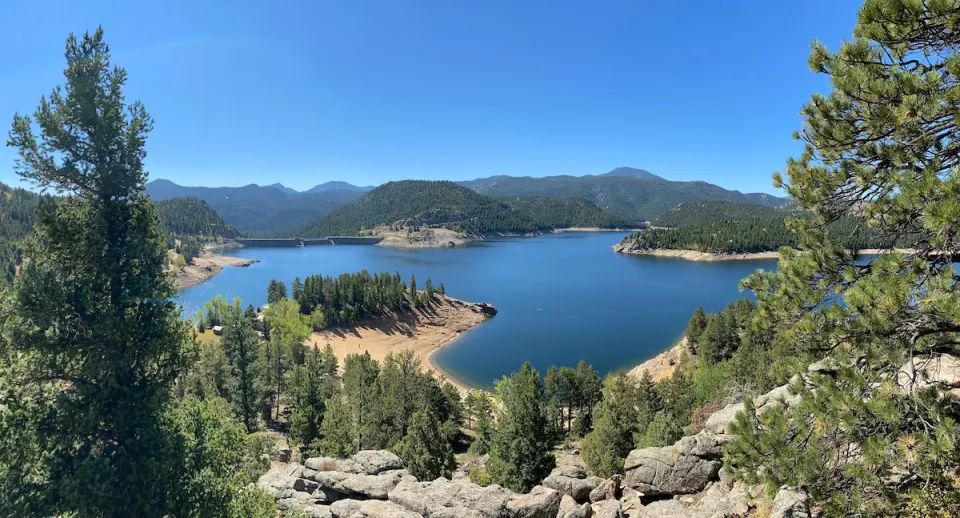
Judges permit Denver to divert 77,000 acre feet from the Colorado River for reservoir expansion
Overuse and climate change have caused the Colorado River’s water levels to plummet.
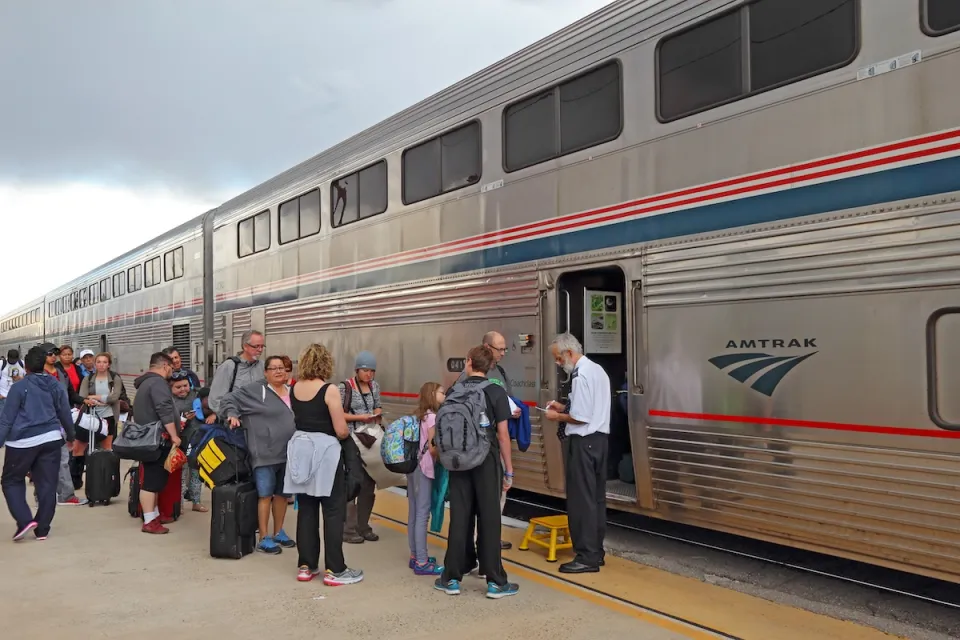
Amtrak, CN end decades-long dispute with eight-year agreement
The new operating agreement establishes an updated framework for the companies to work together, including processes to resolve disputes.
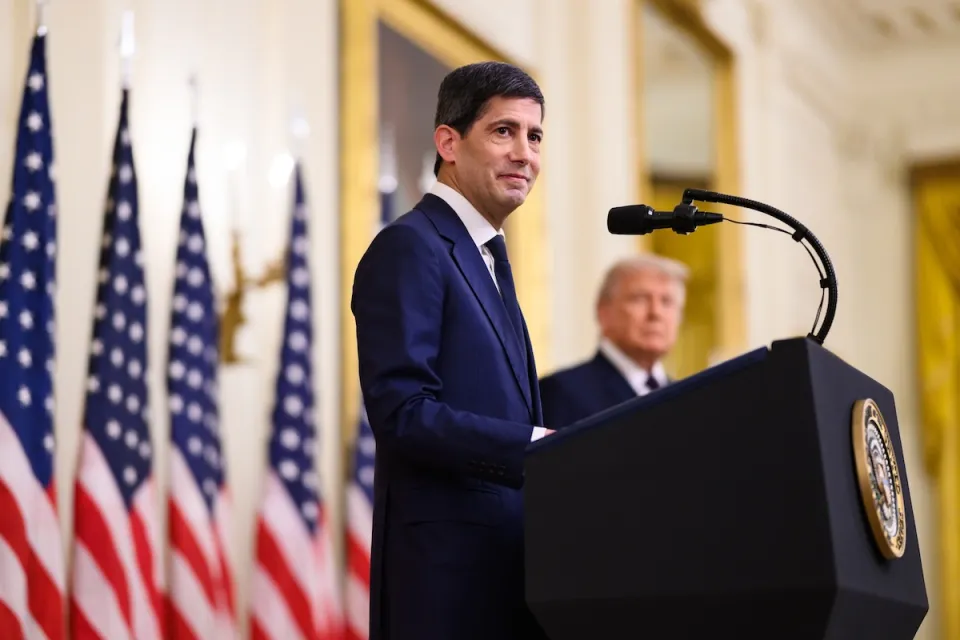
Raised interest rates may kill financially vulnerable construction projects
The chief economist at ConstructConnect warns that if construction project owners are negatively impacted by the raised rates, it could result in delayed payments to contractors.

FREE Course: Walkable City 1: Why Walkability?
After describing his path towards focusing on walkability as the essence of good planning, Jeff Speck marches through his five principal reasons for making more walkable places.
Reinventing Malls: Planning Alchemy—Turning Gray Fields Into Gold
The course focuses on the opportunities and imperatives that shape reinvention of mall sites.

KFH Group Inc.
Greater Baltimore Committee
Eagle County Government
The Architects Foundation
University of Cincinnati Online
The Pocatello Development Authority
The Urban Renewal Agency of the City of Pocatello