Fish & Wildlife Service scientists report political pressure, distortion.


When two public-interest groups sent a survey on scientific integrity to 1,400 scientists at the U.S. Fish & Wildlife Service, agency administrators warned the scientists not to respond -- not even in their personal time. Now that 414 of them have defied the warnings, it is clear why the bureaucrats were nervous. More than half of the respondents reported that agency officials had reversed or withdrawn scientific conclusions in response to industry pressure. One in five said that they had been directed to withhold or alter technical information from reports, and almost half claim they were pressured to avoid making findings that might lead to greater protections for endangered species. As to this political interference, an agency spokesflack responded, "There's nothing inappropriate about people higher up the chain of command supervising the work of people below them and reaching different scientific conclusions." Uh ... there isn't?
Thanks to Grist Magazine
Read the full story: Wildlife scientists feeling heat


Planetizen Federal Action Tracker
A weekly monitor of how Trump’s orders and actions are impacting planners and planning in America.

The state-sanctioned urbicide of Austin
People don’t kill cities. Freeways do.

Colorado’s Largest Data Center Could Rise Next to Homes — Without a Public Hearing
The proposed campus would consume 11 times the power of Denver International Airport; as it has across the country, opposition mounts.
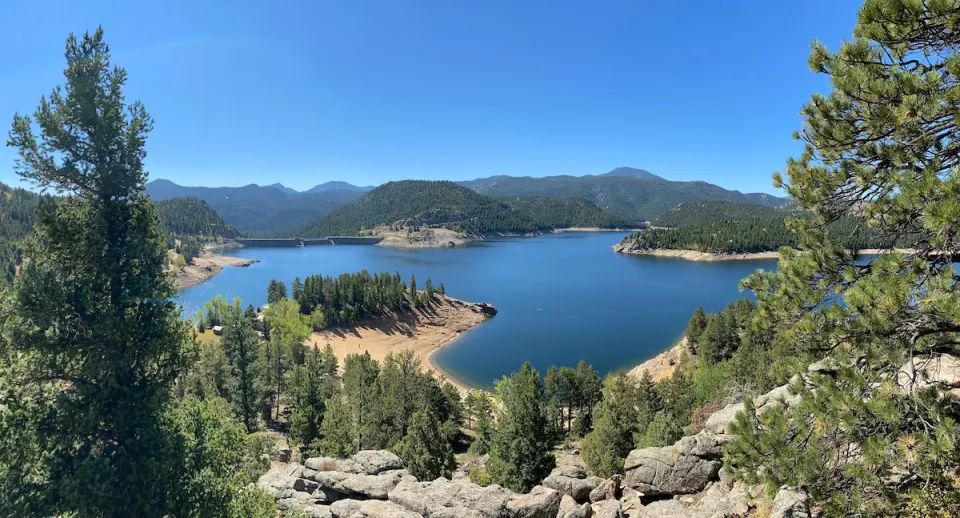
Judges permit Denver to divert 77,000 acre feet from the Colorado River for reservoir expansion
Overuse and climate change have caused the Colorado River’s water levels to plummet.
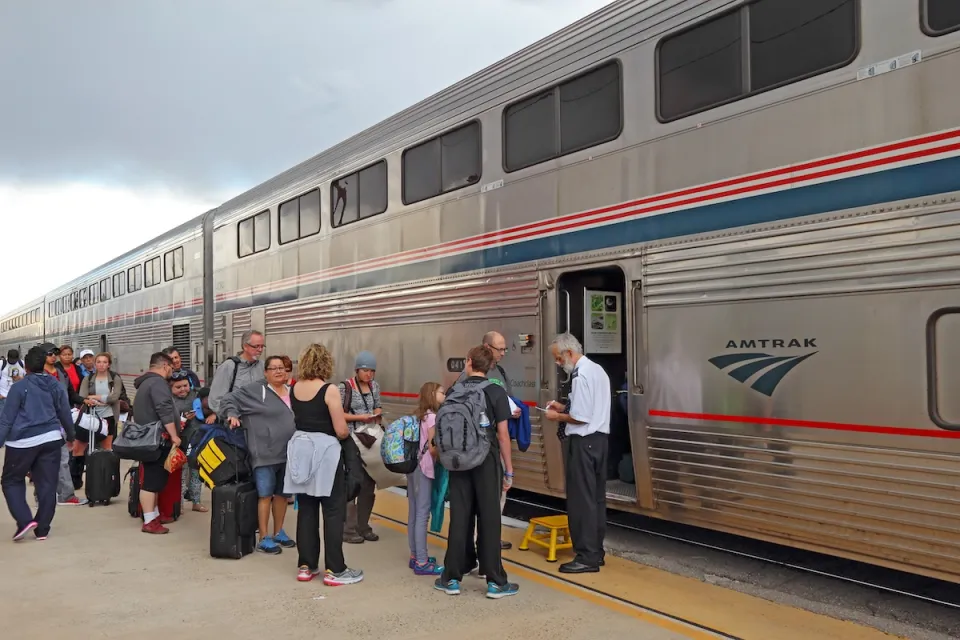
Amtrak, CN end decades-long dispute with eight-year agreement
The new operating agreement establishes an updated framework for the companies to work together, including processes to resolve disputes.
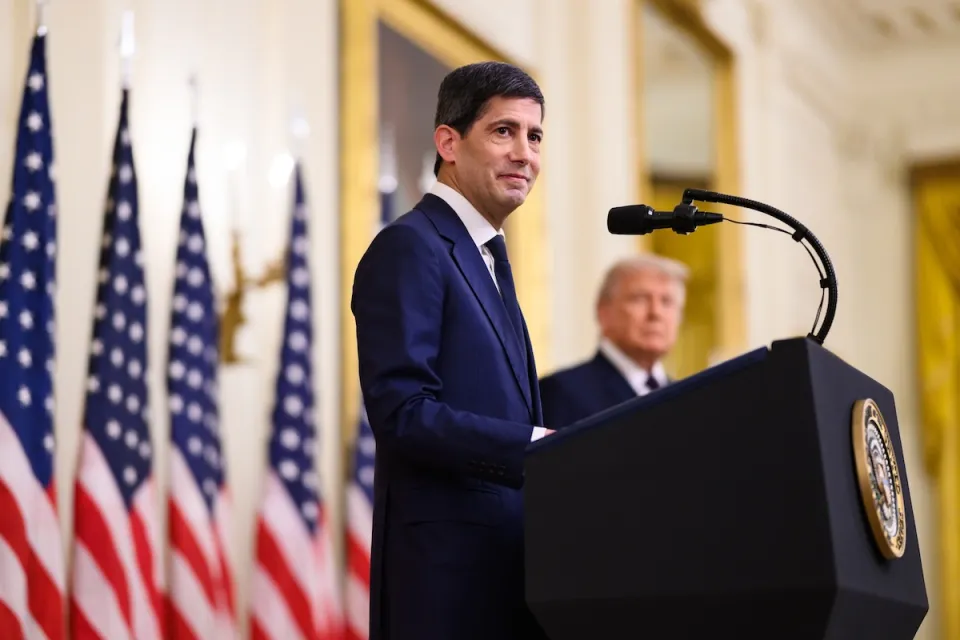
Raised interest rates may kill financially vulnerable construction projects
The chief economist at ConstructConnect warns that if construction project owners are negatively impacted by the raised rates, it could result in delayed payments to contractors.

FREE Course: Walkable City 1: Why Walkability?
After describing his path towards focusing on walkability as the essence of good planning, Jeff Speck marches through his five principal reasons for making more walkable places.
Reinventing Malls: Planning Alchemy—Turning Gray Fields Into Gold
The course focuses on the opportunities and imperatives that shape reinvention of mall sites.

Greater Baltimore Committee
Eagle County Government
Harvard University Graduate School of Design
The Architects Foundation
University of Cincinnati Online
The Pocatello Development Authority
The Urban Renewal Agency of the City of Pocatello
Journal of the American Planning Association