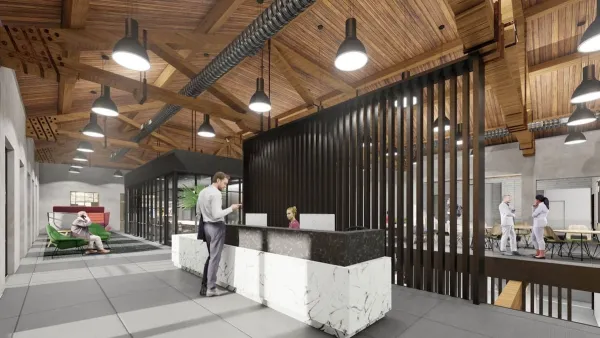
A quantum computing campus and data center are currently under construction in Chicago.



Neighbors of a quantum computing campus and data center under construction in Chicago have overwhelmingly voted against the state spending about $1 billion in taxpayer money to support the project. Seventy-eight percent of respondents voted ‘no,’ and 88% voted in favor of the state ensuring a “complete and transparent remediation” of the former steel mill. The 'no' vote only expresses residents' opposition, and is not legally binding.
“The city is supporting the megadevelopment with $5 million from its housing and economic development bond. The project will also receive an estimated $175 million over 30 years in county property tax breaks,” Maxwell Evans writes for Block Club Chicago.
Some residents have praised the development, and the state's spending on it, in hopes it will bring investment to the surrounding neighborhood. Other residents are more wary, Block Club Chicago reports, and are pushing for local leaders to “sign a binding community benefits agreement to lock in promises of community benefits around the project.”
Read the full story: Quantum Campus Neighbors Don’t Want $1 Billion In Public Funds Spent On South Side Megaproject
Strained electrical grid forces San Francisco to choose: housing, or data centers?
The city is approaching its maximum grid capacity, leaving leaders with tough choices about what projects to siphon energy toward.
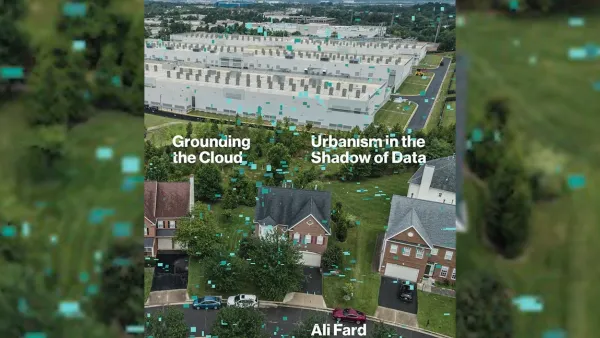
What is the impact of cities' ever-growing reliance on the tech sector?
Book review: "Grounding the Cloud: Urbanism in the Shadow of Data" is an important look at how we define and understand the cloud.

Chicago cuts ribbon on $300,000, self-cleaning public toilet
The public toilet is the city’s first, and may pave the way for a rollout of similar facilities.

Planetizen Federal Action Tracker
A weekly monitor of how Trump’s orders and actions are impacting planners and planning in America.

Eastern Nebraska is running out of electricity
Data centers and electrification are straining eastern Nebraska’s grid, throttling economic development.

Study reveals best places in the U.S. for cycling, walking
New research from Streetlight Data examines bicycle and pedestrian miles per capita in the 100 largest U.S. cities by population.

Illinois considers spending $1 billion in taxpayer money on data center
A quantum computing campus and data center are currently under construction in Chicago.

As development costs rise, Boston moves to lessen affordable housing requirements
The Boston Zoning Commission and the City Council still need to approve Boston Mayor Michelle Wu’s proposed changes

Washington state charge fee to drivers with fuel-efficient cars
Revenue from the fee will go towards supporting the state’s highways.

FREE Course: Walkable City 1: Why Walkability?
After describing his path towards focusing on walkability as the essence of good planning, Jeff Speck marches through his five principal reasons for making more walkable places.
Reinventing Malls: Planning Alchemy—Turning Gray Fields Into Gold
The course focuses on the opportunities and imperatives that shape reinvention of mall sites.

City of Charlotte
City of Rosemead
Rutgers University, Edward J. Bloustein School of Planning and Public Policy
University of Michigan School for Environment and Sustainability (SEAS)
Hunter College, City University of New York (CUNY)
The Architects Foundation
City of Cambridge
The Pocatello Development Authority
The Urban Renewal Agency of the City of Pocatello