The city must now examine the ‘maximum possible development’ under a future zoning scenario, rather than the ‘maximum likely development.’



Seattle is on track to delay its upcoming zoning changes, which are part of the city’s twenty-year housing and job growth plan, for another year. The “Centers & Corridors” zoning update will allow the city to build larger apartment buildings near transit and rezone thirty neighborhood centers for denser development. The project has been fending off attacks on its environmental review process since last February; with the appeals settled, now a new ruling is set to slow down the city’s rollout of the zoning changes.
“Rather than studying "maximum likely development" under a future zoning scenario, the ruling stated, Seattle's Office of Planning and Community Development (OPCD) was required to analyze "maximum possible development,” a fact that ropes in a significant number of housing units that are unlikely to be built in the plan's twenty-year horizon. Readjusting to study that maximum possible development expands the scope of the EIS considerably, even as the ruling itself acknowledges that Seattle is unlikely to see all parcels develop before updating its Comprehensive Plan again,” Ryan Packer writes for The Urbanist.
The city’s deadline to complete the new analysis is Sept. 9, 2027, with a follow-up hearing later that fall. While OPCD is requesting more analysis, there are currently no plans to change Seattle’s growth plan.
Read the full story: Seattle's 'Centers & Corridors' Zoning Update Delayed Another Year

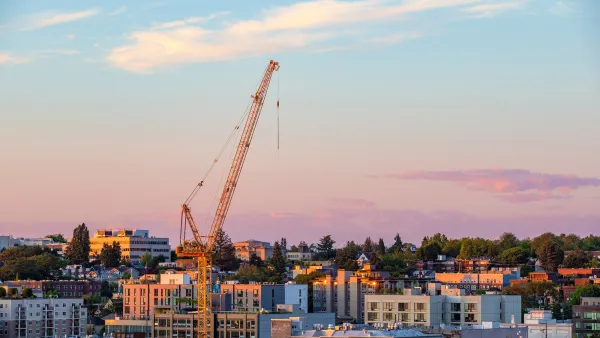
Seattle Adopts a New Growth Plan, but Major Zoning Battles are Just Beginning
Approving the comprehensive plan update is just the first step in rewriting the city’s zoning code to accommodate more density and affordable housing.
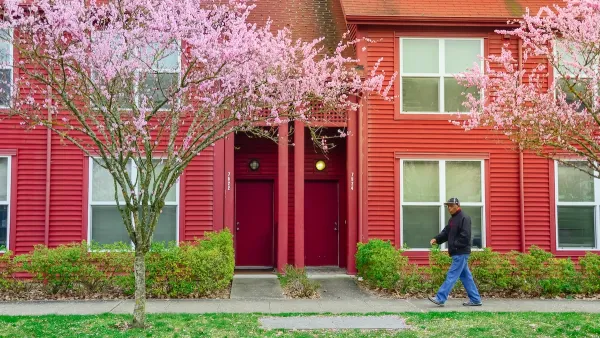
Seattle’s Zoning Reform Could Unlock a ‘Multiplex Boom’
A package of stackable density bonuses could make it easier for developers to build 12-plexes.

Seattle’s Upzoning Plan is Ambitious, Light on Details
The city passed a ‘bare-bones’ framework to comply with state housing laws that paves the way for more middle housing, but the debate over how and where to build is just getting started.

Planetizen Federal Action Tracker
A weekly monitor of how Trump’s orders and actions are impacting planners and planning in America.

Data reveals that NYC’s bet on congestion pricing has paid off
After almost two years of the program, reports show positive impacts on traffic and air quality and no disruptions to parking.
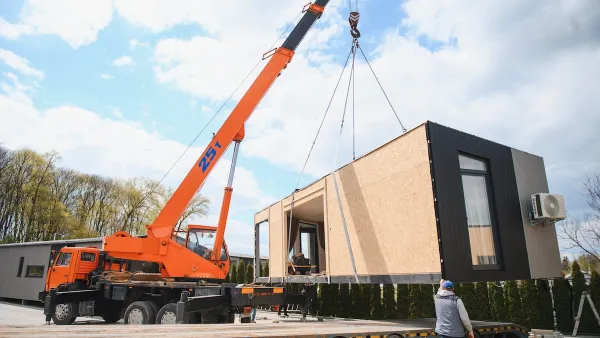
HUD modernizes 50-year-old manufactured housing framework
The Next Generation Manufactured Housing Action Plan establishes new energy-efficiency standards for manufactured homes, and new guidelines for anchoring them.

This Ohio town is using AI to speed up transit analysis
The Greater Dayton Regional Transit Authority’s new AI tool correctly determined riders’ preferred ways to reach key commuter routes.

Yet again, Seattle’s density zoning update is hit with delays
The city must now examine the ‘maximum possible development’ under a future zoning scenario, rather than the ‘maximum likely development.’

In the heart of suburbia, a Utah developer is building a high-density downtown from scratch
The project faces criticism from some city council members, who say the private developer is using taxpayer dollars to turn a profit.

FREE Course: Walkable City 1: Why Walkability?
After describing his path towards focusing on walkability as the essence of good planning, Jeff Speck marches through his five principal reasons for making more walkable places.
Reinventing Malls: Planning Alchemy—Turning Gray Fields Into Gold
The course focuses on the opportunities and imperatives that shape reinvention of mall sites.

One Hundred Miles
County of Mendocino
planning NEXT
The Architects Foundation
University of Cincinnati Online
Montrose County
Northern Illinois Transit Authority (NITA)
The Pocatello Development Authority