Approving the comprehensive plan update is just the first step in rewriting the city’s zoning code to accommodate more density and affordable housing.



The Seattle City Council approved a new long-term growth plan, but according to an analysis by Ryan Packer in The Urbanist, the debate over the details of any rezoning efforts is just beginning.
The new comprehensive plan calls for 30 new “neighborhood centers” with higher-density zoning, but exact standards for those zones won’t be adopted until next year, when the city will also lift apartment bans in some transit corridors.
Earlier this year, Mayor-elect Katie Wilson commented on the plan, saying “We should be adding more neighborhood growth centers, expanding the definition of ‘near transit,’ granting social housing the same density bonus that other types of affordable housing get, eliminating parking minimums, fix the stacked flats bonus so it actually results in building stacked flats, exempt smaller projects from [Mandatory Housing Affordability] fees so they will pencil out, etc.”
The council will have to make some major decisions in 2026, Packer notes. But adopting the comprehensive plan update is “a big lift” that will allow city leaders to focus on the details without having to consider another major update until 2029.
FULL STORY: Seattle OKs New Growth Plan, but Biggest Zoning Battles Lie Ahead

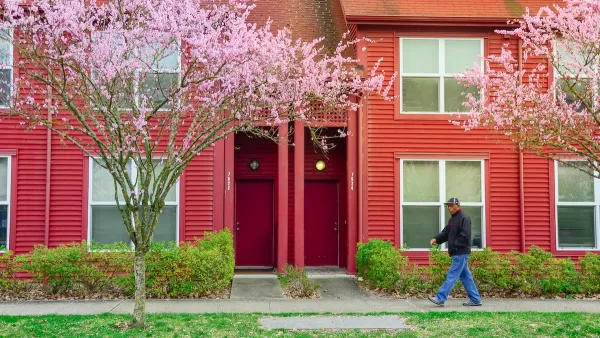
Seattle’s Zoning Reform Could Unlock a ‘Multiplex Boom’
A package of stackable density bonuses could make it easier for developers to build 12-plexes.

Seattle Works To Revise Comprehensive Plan
The city has developed five concepts for updating its comprehensive plan to increase density and reverse the legacy of exclusionary zoning.

Missoula Approves Zoning Reform Emphasizing More Diverse Housing, Walkability
The city’s new zoning code, map, and development standards will guide more expansive housing options and improved walkability.

The state-sanctioned urbicide of Austin
People don’t kill cities. Freeways do.

US to reduce Colorado River water deliveries to Mexico
A new Colorado Treaty amendment reduces Mexico’s Colorado River water allocation by 250,000 acre feet.

New Jersey’s second-largest city bans standalone data centers
Jersey City will continue to allow co-location facilities, such as those meant for research institutions that store their own data.

Amtrak not solely to blame for New Jersey commuter rail's unreliability, report finds
A new study from the Garden State Initiative found that NJ Transit’s budget grew 20% across a 4 year period, but reliability declined significantly over the same period.

EPA erases limits on planet-warming pollution from power plants
Under Monday’s plan, power plants would still have some limits on how much mercury, arsenic and other contaminants they can emit.

Phoenix announces new on-demand transit service, more frequent RAPID buses
Both new services will launch in October, and are part of Phoenix's Project Effective Access Solutions for Easing Congestion.

FREE Course: Walkable City 1: Why Walkability?
After describing his path towards focusing on walkability as the essence of good planning, Jeff Speck marches through his five principal reasons for making more walkable places.
Reinventing Malls: Planning Alchemy—Turning Gray Fields Into Gold
The course focuses on the opportunities and imperatives that shape reinvention of mall sites.

Eagle County Government
Harvard University Graduate School of Design
Nashville Planning Department
The Architects Foundation
University of Cincinnati Online
The Pocatello Development Authority
The Urban Renewal Agency of the City of Pocatello
Journal of the American Planning Association