Research shows that making it easier to turn single-family homes into multiple units could unlock tens of thousands of new units per year.


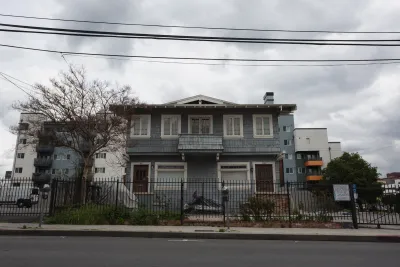
In a commentary piece in CalMatters, Arthur Gailes cites new research that reveals a relatively simple action that could nearly double the number of new homes being built in Los Angeles: legalizing the conversion of existing single-family homes into multifamily buildings.
According to research from the American Enterprise Institute's Housing Center, legalizing the conversion of older homes would add roughly 13,600 additional new housing units per year.
As Gailes explains, older LA homes are already being replaced — usually by larger, more expensive single-family homes, not adding anything to the housing supply. "Legalizing starter homes doesn’t speed up that cycle; it changes what gets built. A four-home conversion produces homes valued at around $1.2 million each — roughly one-third the McMansion price. Even as individual homes get cheaper, total value rises. L.A. taxes this, so city revenue grows while families pay less."
For Gailes, legalizing starter home conversions "solves supply, affordability and revenue problems at once." For Los Angeles, a city that has outgrown its single-family origins, this opportunity could make a meaningful dent in the city's housing crisis.
Read the full story: Los Angeles sits on a sleeping giant of housing supply. It begins with starter home conversions
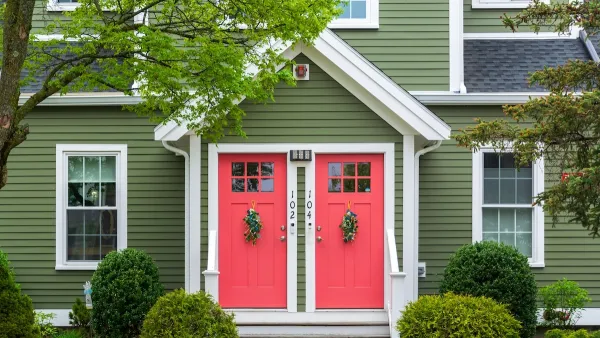
Harvard Report Cites Zoning, Construction Costs as Obstacles to New Housing
Zoning restrictions and onerous building codes make mid-sized multifamily housing prohibitively expensive or illegal to build.
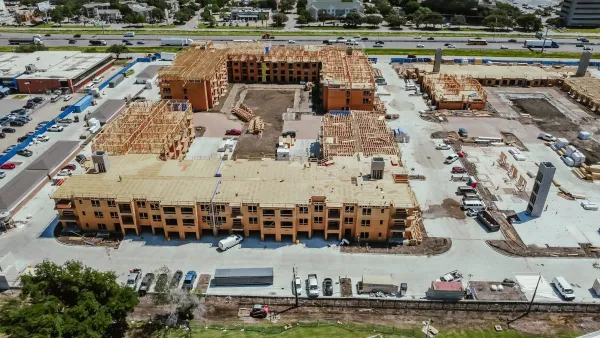
Controversial Texas housing law has 'directly facilitated' over 1,250 new homes
SB 840 allows developers to build multifamily housing by-right on lots zoned for commercial use without applying to a zoning change.

Malibu and Pasadena residents will be able to build up to 4 units on fire-damaged properties
The two cities settled a lawsuit brought by a YIMBY group that challenged their ban on multifamily housing in fire-impacted areas.

Planetizen Federal Action Tracker
A weekly monitor of how Trump’s orders and actions are impacting planners and planning in America.

Eastern Nebraska is running out of electricity
Data centers and electrification are straining eastern Nebraska’s grid, throttling economic development.

Study reveals best places in the U.S. for cycling, walking
New research from Streetlight Data examines bicycle and pedestrian miles per capita in the 100 largest U.S. cities by population.

Officials look to alter BART extension as price goes through the roof
Tariffs and the war with Iran are behind the rising cost.

To power data centers, Utah company may build hundreds of nuclear reactors on state land
In its permit application, Valar asked for the county to confirm that changes within its outlined plan would still be covered by the permit.

San Antonio is using environmental review to stall ICE detention center
San Antonio sued last month to pause work on the new detention center until the federal government studied its effect on the surrounding area.

FREE Course: Walkable City 1: Why Walkability?
After describing his path towards focusing on walkability as the essence of good planning, Jeff Speck marches through his five principal reasons for making more walkable places.
Reinventing Malls: Planning Alchemy—Turning Gray Fields Into Gold
The course focuses on the opportunities and imperatives that shape reinvention of mall sites.

City of Charlotte
City of Rosemead
Rutgers University, Edward J. Bloustein School of Planning and Public Policy
University of Michigan School for Environment and Sustainability (SEAS)
Hunter College, City University of New York (CUNY)
The Architects Foundation
City of Cambridge
The Pocatello Development Authority
The Urban Renewal Agency of the City of Pocatello