Gov. Abbott is calling on the state's utility regulator to take steps to reduce energy costs for consumers and ensure data center operators pay for any added costs.


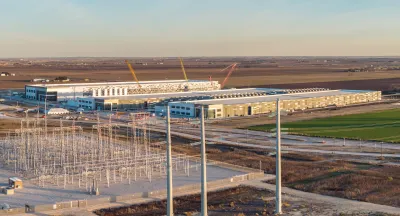
Texas Gov. Greg Abbott issued directives to the state's Public Utilities Commission to ensure data centers do not pass on infrastructure and energy costs to consumers.
According to an article in The Dallas Express, "The PUC and ERCOT were also instructed to identify additional actions within their authority to protect residential and small-business customers and to submit a joint memorandum to the Office of the Governor by July 17."
The governor and legislature say they are working on proposals to require data centers to contribute to the state's electric capacity, employ water efficiency measures and comply with other requirements such as setbacks and noise limits.
FULL STORY: Texas Gov. Abbott Blocks Data Centers From Raising Residential Electricity Bills

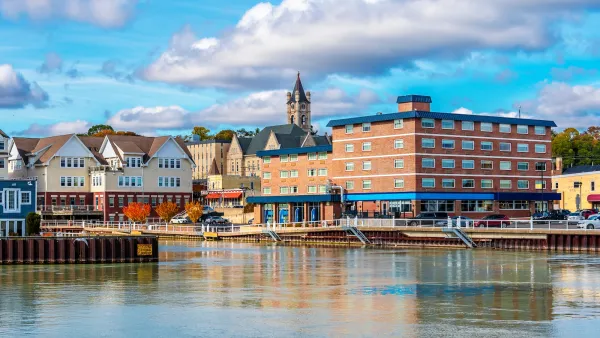
Voters in Wisconsin city pass nation's first data center referendum
The measure requires voter approval for tax incentives to new data centers.

Poll: 75% of Americans oppose data centers near their homes
As they proliferate across the country, data centers face growing backlash from communities concerned about their rapid growth and unknown impacts.
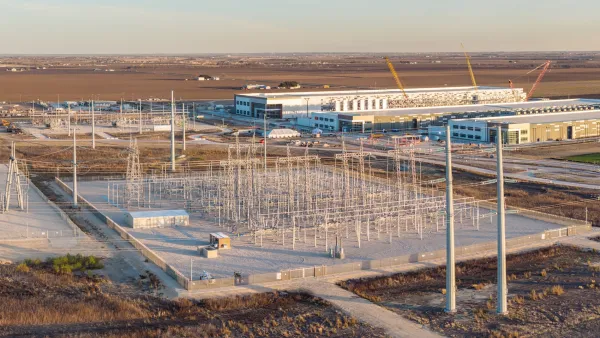
Poll: Low-income Americans resist data centers 5 times as often as high-earning counterparts
A new survey reveals differences between how Americans at various income levels perceive data centers.

The state-sanctioned urbicide of Austin
People don’t kill cities. Freeways do.

US to reduce Colorado River water deliveries to Mexico
A new Colorado Treaty amendment reduces Mexico’s Colorado River water allocation by 250,000 acre feet.

New Jersey’s second-largest city bans standalone data centers
Jersey City will continue to allow co-location facilities, such as those meant for research institutions that store their own data.

Amtrak not solely to blame for New Jersey commuter rail's unreliability, report finds
A new study from the Garden State Initiative found that NJ Transit’s budget grew 20% across a 4 year period, but reliability declined significantly over the same period.

EPA erases limits on planet-warming pollution from power plants
Under Monday’s plan, power plants would still have some limits on how much mercury, arsenic and other contaminants they can emit.

Phoenix announces new on-demand transit service, more frequent RAPID buses
Both new services will launch in October, and are part of Phoenix's Project Effective Access Solutions for Easing Congestion.

FREE Course: Walkable City 1: Why Walkability?
After describing his path towards focusing on walkability as the essence of good planning, Jeff Speck marches through his five principal reasons for making more walkable places.
Reinventing Malls: Planning Alchemy—Turning Gray Fields Into Gold
The course focuses on the opportunities and imperatives that shape reinvention of mall sites.

Eagle County Government
Harvard University Graduate School of Design
Nashville Planning Department
The Architects Foundation
University of Cincinnati Online
The Pocatello Development Authority
The Urban Renewal Agency of the City of Pocatello
Journal of the American Planning Association