The 576-unit project offers lessons for other large-scale affordable housing projects.


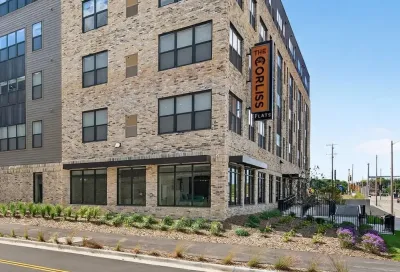
A Milwaukee housing complex set to open later this year will be the largest private affordable development in Wisconsin, reports Joe Tarr for Wisconsin Public Radio.
According to Tarr, "The $197 million project involved a complex funding scenario that included National Housing Trust funds, tax incremental financing and a Brownfield Cleanup Revolving Loan from the city."
According to Elmer Moore Jr., the CEO of the Wisconsin Housing and Economic Development Authority, "We’re seeing communities across the state really take a more proactive approach to making themselves accommodating to developments writ large, and certainly larger and larger developments." But, Moore adds, "municipalities must develop zoning plans and housing plans that incorporate these large-scale developments and the amenities that they support — grocery stores, bike trails, changes to traffic and so on — because when we do that, we can really assure a clearer path towards success for that municipality." Moore also suggests that cities support financing for larger housing projects through mechanisms like TIF funds.
FULL STORY: Largest private affordable housing project in Wisconsin offers hope for more like it

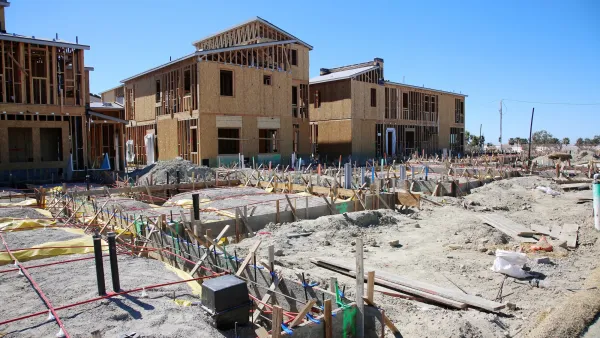
Less than 6% of California cities are building enough housing for very low-income households
Only five jurisdictions are on track to meet their housing goals for all income brackets.
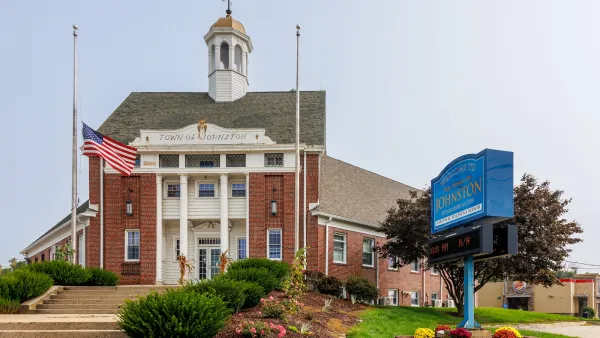
Judge says Rhode Island town can't seize private lot to block affordable housing
The town of Johnston moved to seize a lot for municipal buildings after its owners submitted a plan for a 254-unit housing development.
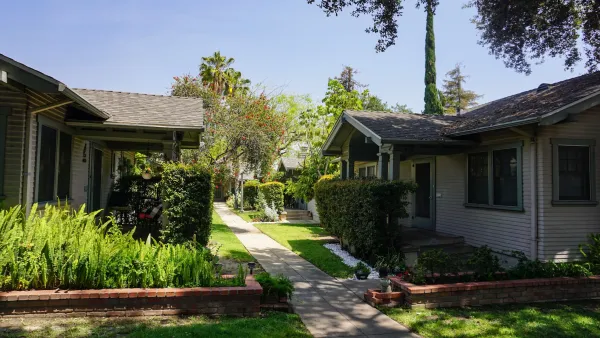
Waco wants to re-legalize cottage courts
Cities and states around the country are looking to a forgotten housing model as a way to ease the housing crisis.

The state-sanctioned urbicide of Austin
People don’t kill cities. Freeways do.

US to reduce Colorado River water deliveries to Mexico
A new Colorado Treaty amendment reduces Mexico’s Colorado River water allocation by 250,000 acre feet.

New Jersey’s second-largest city bans standalone data centers
Jersey City will continue to allow co-location facilities, such as those meant for research institutions that store their own data.

Amtrak not solely to blame for New Jersey commuter rail's unreliability, report finds
A new study from the Garden State Initiative found that NJ Transit’s budget grew 20% across a 4 year period, but reliability declined significantly over the same period.

EPA erases limits on planet-warming pollution from power plants
Under Monday’s plan, power plants would still have some limits on how much mercury, arsenic and other contaminants they can emit.

Phoenix announces new on-demand transit service, more frequent RAPID buses
Both new services will launch in October, and are part of Phoenix's Project Effective Access Solutions for Easing Congestion.

FREE Course: Walkable City 1: Why Walkability?
After describing his path towards focusing on walkability as the essence of good planning, Jeff Speck marches through his five principal reasons for making more walkable places.
Reinventing Malls: Planning Alchemy—Turning Gray Fields Into Gold
The course focuses on the opportunities and imperatives that shape reinvention of mall sites.

Eagle County Government
Harvard University Graduate School of Design
Nashville Planning Department
The Architects Foundation
University of Cincinnati Online
The Pocatello Development Authority
The Urban Renewal Agency of the City of Pocatello
Journal of the American Planning Association