In Canada, more than half of all housing on community land trusts is cooperative housing. In the U.S., that number is less than 2%. Why?


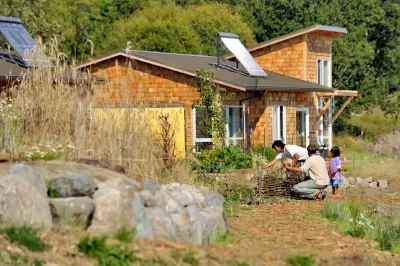
Canada has integrated cooperative housing into community land trusts at a far greater scale than the United States, where co-ops make up less than 2% of CLT housing.
This piece, written by Steve Dubb in "Shelterforce," examines why the models have evolved differently, highlighting examples from Vermont, Washington state, British Columbia, and Montreal.
It also explores financing challenges, governance structures, and how CLTs and co-ops together can expand permanently affordable housing while strengthening community control.
FULL STORY: How CLTs are Powering Co-op Growth in Canada: Lessons for the U.S.?


Denver Land Trust Fights Displacement Whether It Owns the Land or Not
Tierra Colectiva, a community land trust in the Denver neighborhoods of Globeville and Elyria-Swansea, combines community organizing, traditional CLT development, and more unusual roles in a large affordable housing development.

Maui's Miraculous Feat: Staving off ‘Disaster Capitalism’ in the Wake of Wildfire
Sometimes disasters open a space for bigger and faster positive change. In Lahaina, Hawai'i, after the devastating fires in 2023, community leaders built on preexisting relationships to approach housing and land in new ways.
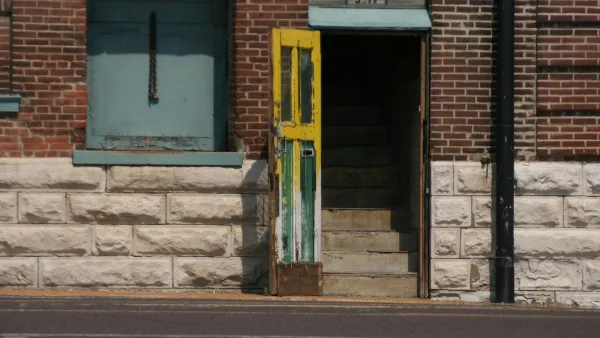
A Groundbreaking Southern California Land Trust Will Ready Formerly Incarcerated People for Housing Ownership
CLT named after Ruchell "Cinqué" Magee, considered by many to have been the longest-held political prisoner in the United States, aims to create not just affordability, but belonging.

Planetizen Federal Action Tracker
A weekly monitor of how Trump’s orders and actions are impacting planners and planning in America.

The state-sanctioned urbicide of Austin
People don’t kill cities. Freeways do.

US to reduce Colorado River water deliveries to Mexico
A new Colorado Treaty amendment reduces Mexico’s Colorado River water allocation by 250,000 acre feet.

5 New England states march closer to 800 megawatt wind energy project
Securing federal approval for the project may be complicated under the Trump administration, which has historically been hostile towards domestic wind power.

Baltimore to break ground on $50 million Transit Priority Project
The project will bring faster bus trips, safer streets and better bike connections to Baltimore.

Airbnb launches $250 million 'last-dollar financing' housing accelerator, makes first investment in Austin
The company will put $6.4 million towards affordable housing development in Texas’ capital.

FREE Course: Walkable City 1: Why Walkability?
After describing his path towards focusing on walkability as the essence of good planning, Jeff Speck marches through his five principal reasons for making more walkable places.
Reinventing Malls: Planning Alchemy—Turning Gray Fields Into Gold
The course focuses on the opportunities and imperatives that shape reinvention of mall sites.

Eagle County Government
Harvard University Graduate School of Design
Nashville Planning Department
The Architects Foundation
University of Cincinnati Online
The Pocatello Development Authority
The Urban Renewal Agency of the City of Pocatello
Journal of the American Planning Association