Business owners say the ban could force patrons onto sidewalks and disrupt long-standing bar culture, while proponents of the ordinance say second-hand smoke is a threat to patrons and workers.


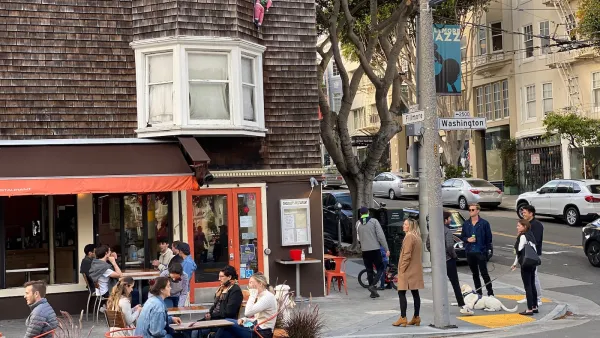
San Francisco county supervisors are weighing a proposal that would ban smoking on bar patios and in parklets, potentially closing a decades-old exception that allows smoking in outdoor bar spaces and semi-enclosed patios.
According to a report by Nina Singh-Hudson in Hoodline, "Bar owners argue the move would simply push smokers onto the sidewalks and pile on yet another pressure point for venues still clawing back from the pandemic."
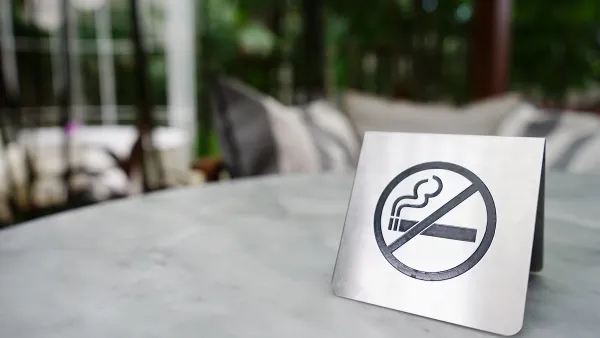
The proposed measure, File No. 260361, would ban smoking on bar and tavern patios. Research shows that outdoor patios can still pose an unhealthy level of danger for people exposed to second-hand smoke, including bar employees.
The city's Small Business Commission voted 6-0 in opposition of the proposal, "warning that the ordinance could drive smokers onto sidewalks, inflame neighborhood disputes and place extra strain on nightlife venues, according to the commission’s response letter."
The ordinance would have to be approved by the city's Land Use and Transportation Committee before heading to the full Board for votes.
FULL STORY: Smoky Showdown: San Francisco Bars Face Crackdown On Patio Puffing

San Francisco leaders shelve proposed patio smoking ban
Facing backlash from business owners, supervisors postponed a discussion of legislation that would bar smoking from restaurant and bar patios.
SoCal City Bans Smoking on Multifamily Properties
The law prohibits smoking tobacco or cannabis in both indoor and outdoor spaces, prompting backlash from residents.

San Francisco Supervisors Vote to Keep Parklets, Close Them at Night
The pandemic-era outdoor seating arrangements can stay, but a last-minute amendment lets business owners close them overnight.

Planetizen Federal Action Tracker
A weekly monitor of how Trump’s orders and actions are impacting planners and planning in America.

The state-sanctioned urbicide of Austin
People don’t kill cities. Freeways do.

US to reduce Colorado River water deliveries to Mexico
A new Colorado Treaty amendment reduces Mexico’s Colorado River water allocation by 250,000 acre feet.

5 New England states march closer to 800 megawatt wind energy project
Securing federal approval for the project may be complicated under the Trump administration, which has historically been hostile towards domestic wind power.

Baltimore to break ground on $50 million Transit Priority Project
The project will bring faster bus trips, safer streets and better bike connections to Baltimore.

Airbnb launches $250 million 'last-dollar financing' housing accelerator, makes first investment in Austin
The company will put $6.4 million towards affordable housing development in Texas’ capital.

FREE Course: Walkable City 1: Why Walkability?
After describing his path towards focusing on walkability as the essence of good planning, Jeff Speck marches through his five principal reasons for making more walkable places.
Reinventing Malls: Planning Alchemy—Turning Gray Fields Into Gold
The course focuses on the opportunities and imperatives that shape reinvention of mall sites.

Eagle County Government
Harvard University Graduate School of Design
Nashville Planning Department
The Architects Foundation
University of Cincinnati Online
The Pocatello Development Authority
The Urban Renewal Agency of the City of Pocatello
Journal of the American Planning Association