Book review: In "Folk Engineering: Planning Southern Regionalism," author Stephen Ramos unearths the forgotten history of the 1930s and 1940s counterpoint to Mumford’s city-region movement, led by Howard W. Odum.



This review is part of a special collaboration between Planetizen and Booked on Planning, a biweekly podcast where AICP planners Stephanie Rouse and Jennifer Hiatt chat with authors of the latest books shaping urban planning today. Listen to the episode with today’s author in the player below.
Many planners are familiar with the concept of regionalism: an ecological and planning philosophy centered on developing balanced "city-regions" integrating urban and natural systems, led in the 1930s and 1940s by Louis Mumford at the Regional Planning Association of America (RPAA). Less familiar, perhaps, is the concept of southern regionalism: a philosophy that shies away from the urban aspects of the concepts, and was led by Howard W. Odum and his Institute for Research in Social Science (IRSS) at the University of North Carolina around the same time.
The history of the southern regionalists, with Howard Odum at the center, was largely overlooked until Stephen Ramos and the University of North Carolina Press published "Folk Engineering: Planning Southern Regionalism" just last year. Odum was faculty at the University of North Carolina at Chapel Hill, an author, and the founder of the IRSS, positioning him well to serve as Ramos’s protagonist to explain southern regionalism.
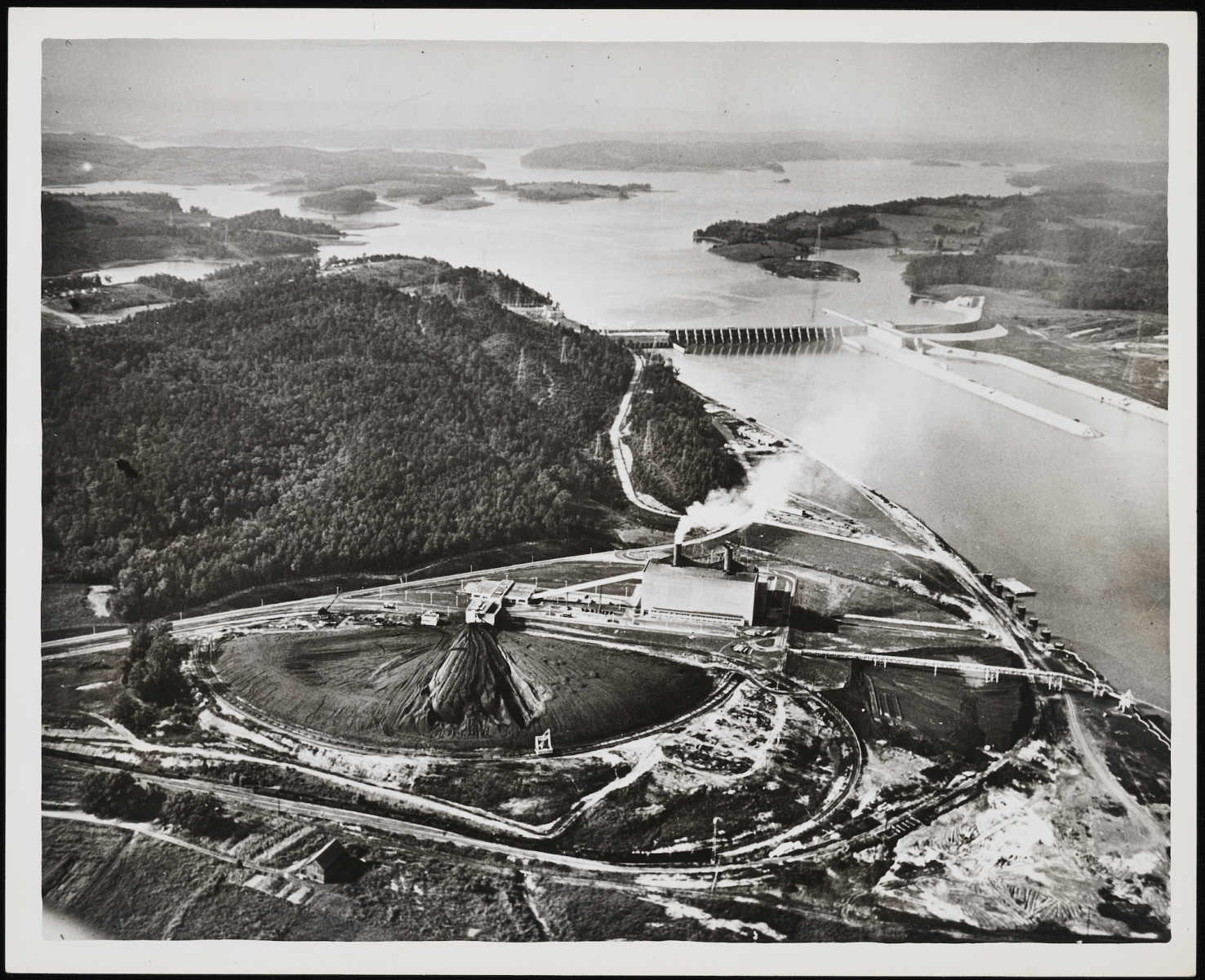
The key difference between regionalism and southern regionalism is the latter’s focus on agrarian folk society and preservation against the growing industrialization and urbanization taking over in northern cities. While Odum understood the role of science in society advocated for by his northern counterparts, he "also qualified his own version of social science as 'folk sociology.'" It was an attempt to fuse the modern with the traditional, again guarding the rural agrarian way of life. Odum felt strongly that while change was necessary, it needed to be at a slow enough pace to allow individuals to adjust.
'Folk Engineering' highlights several unrealized ideas that came out of Odum’s work, like a division of the U.S. into just six major regions — the Middle States, the Northeast, the Southeast, the Far West, the Northwest, and the South. He also "envisioned a nine-member federal planning agency with an extensive mandate and prerogatives, fully staffed by 'research and planning experts' who could advise the board" with each state establishing their own similar, but smaller planning agency also with nine members. This would then coordinate with "a regional planning agency comprising members from the state agencies as well as other regional groups, like the TVA, which would serve 'as a buffer between States and the United States planning agency and the national government.'"
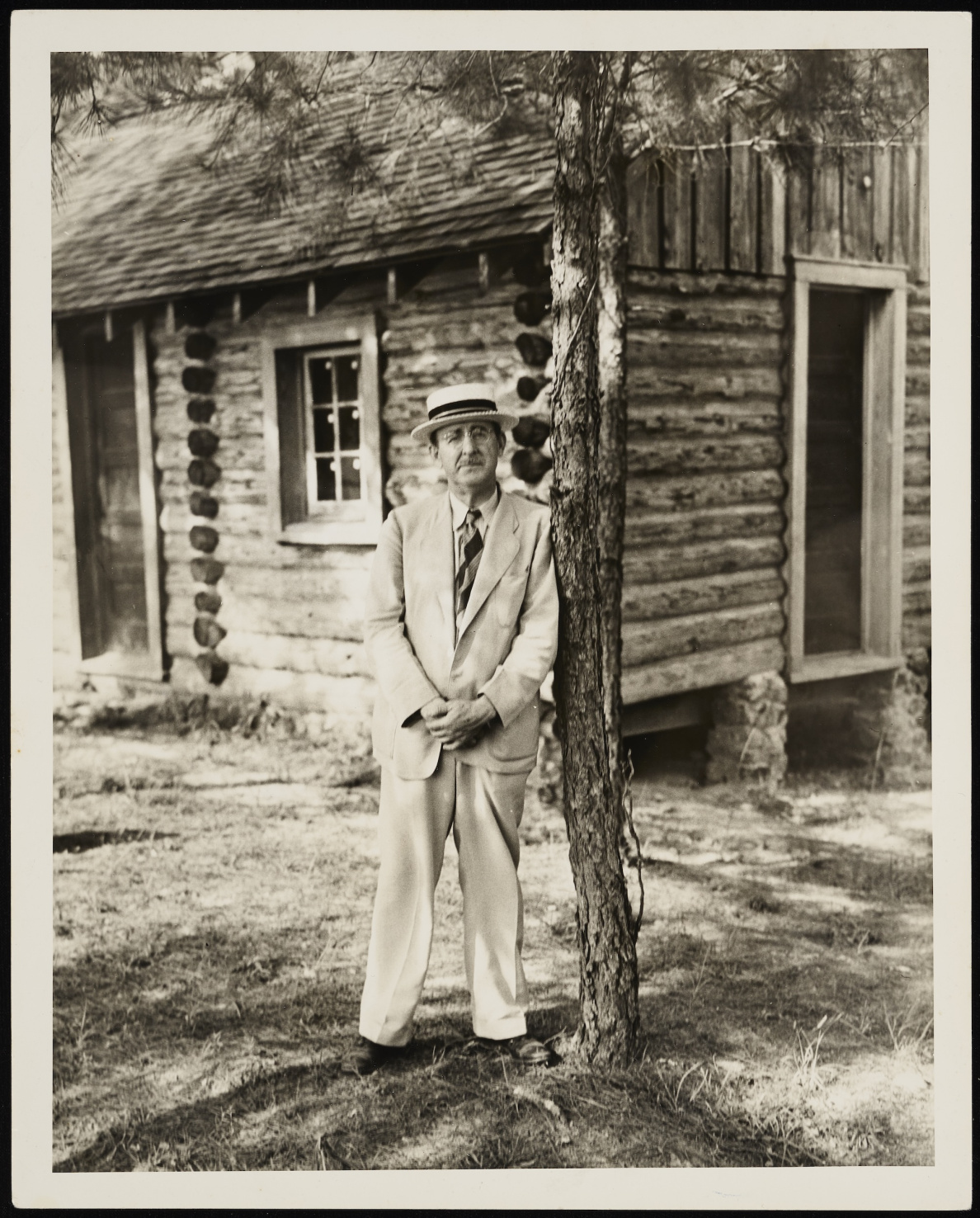
One of the more frustrating aspects of the book is that Ramos highlights how Odum carried this approach into his writings on race, but fails to give readers a concrete sense of whether Odum was prejudiced or if he was just trying to work within an intolerant southern climate. Ramos describes Odum’s ideas as broad enough to appease his northern funders, but not to upset his southern audience, thus neither overtly calling out the injustice of racism in the south, nor explicitly endorsing it.
But Ramos brushes across potentially damning facts without a satisfying amount of critical analysis, too. For example, he notes that Odum’s "hearty endorsement of eugenics in 1929 clearly refutes claims that Odum was already doubting the biological argument for race and instead seeking a Boasian environmental approach while writing his dissertation at Columbia," without unpacking the unsettling statement quite enough.

Unfortunately, Ramos passed away shortly after publishing this book. He left behind an accomplished career and scholarship that elevated the urban planning program in the College of Environmental Design at the University of Georgia and we never got to ask him the questions we wanted about these choices and the rest of the book. While typically we interview the author of each book we review for our podcast episode, this week we interviewed Joshua Barkan, a friend and colleague, instead. You can listen to the interview through the player, below.
"Folk Engineering" is an academic look into the past at a subset of 1930s and 1940s era regionalism planning. Beyond illuminating how the South approached the topic in their own way, the book still holds lessons for practicing planners today, like how to balance competing interests in order to advance new planning concepts and how to accept setbacks along the way.

Reigniting the city-building revolution
Review: In “The Unfinished Metropolis," Benjamin Schneider argues for us to look abroad for help in returning to a long-lost American art: city-building.
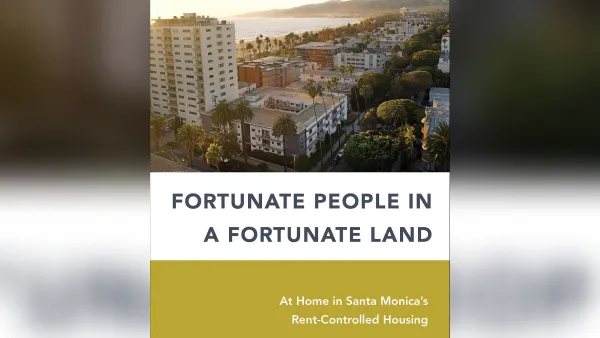
A masterful, human-centered defense of rent control
Book Review: "Fortunate People in a Fortunate Land" offers a human look at how rent control is more than just numbers and data in a spreadsheet.

Are cities at risk of losing squirrels?
Book review: A common backyard forager could be in decline, but without the proper data we may not know until it’s too late. Nancy Castaldo’s "Squirrel" urges us to find out.

Planetizen Federal Action Tracker
A weekly monitor of how Trump’s orders and actions are impacting planners and planning in America.

The state-sanctioned urbicide of Austin
People don’t kill cities. Freeways do.

US to reduce Colorado River water deliveries to Mexico
A new Colorado Treaty amendment reduces Mexico’s Colorado River water allocation by 250,000 acre feet.

Brightline West’s future may rely on $6 billion federal loan
The company has until Nov. 2 to make a $400 million equity investment into its proposed high-speed rail line.

LA Metro’s ultimatum: no extra buses for LA28 if federal funding isn’t imminently secured
If Metro does not provide additional buses, LA28 organizers will have to find a new way to manage Olympic traffic. LA28’s budget does not include a line item for transit.

Colorado’s Largest Data Center Could Rise Next to Homes — Without a Public Hearing
The proposed campus would consume 11 times the power of Denver International Airport; as it has across the country, opposition mounts.

FREE Course: Walkable City 1: Why Walkability?
After describing his path towards focusing on walkability as the essence of good planning, Jeff Speck marches through his five principal reasons for making more walkable places.
Reinventing Malls: Planning Alchemy—Turning Gray Fields Into Gold
The course focuses on the opportunities and imperatives that shape reinvention of mall sites.

Eagle County Government
Harvard University Graduate School of Design
Nashville Planning Department
The Architects Foundation
University of Cincinnati Online
The Pocatello Development Authority
The Urban Renewal Agency of the City of Pocatello
Journal of the American Planning Association

