The average mortgage payment in Austin was $2,955 in 2024.


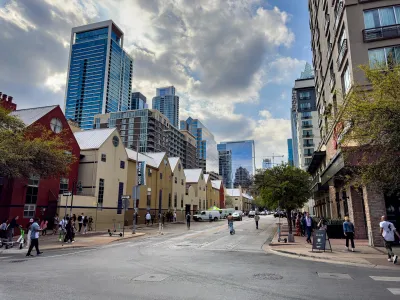
Once famously affordable, Austin has become the most expensive city in Texas. In an article in the Austin American-Statesman, Chaya Tong, Tony Plohetski, Alex Driggars, and Karina Kumar explain how it happened.
According to the authors,
Rapid population growth — including an influx of high-earning tech workers — have driven up housing costs, which have far outpaced local wages and transformed what was once one of Texas’ most accessible big cities into its most expensive.
Since the 1990s, the city’s growing reputation as a tech hub — “Silicon Hills” — has spurred significant population growth. Between 2010 and 2015, the city’s population grew by 17 percent. “Austin now has the highest median housing costs among large Texas cities, and home prices have grown far faster than incomes.”
An Austin household would need to make over $118,200 annually to afford a typical home, a figure almost $30,000 above the city’s median household income. Meanwhile, almost half of the city’s renters spend more than 30 percent of their income on housing, a federal indicator for ‘rent burden.’
FULL STORY: Austin wasn’t always expensive. Here’s how it became Texas’ priciest metropolis.

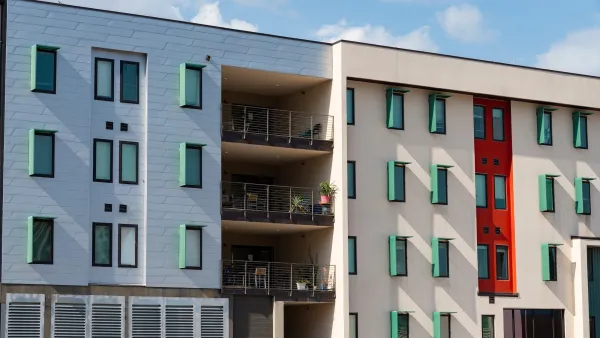
Austin's building boom fails to reach the poorest residents
Although the city has built thousands of new homes, few of them are available to the lowest-earning households.
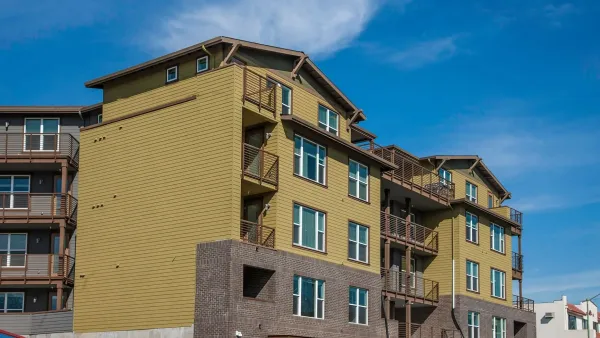
Oakland opens first affordable housing for teachers
The school district says 70% of its teachers can't afford to live in Oakland.
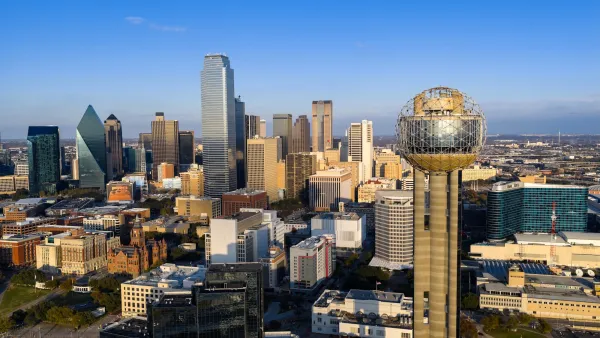
Report: Dallas Has Just 6 Affordable Homes for Every 10 Middle-income Households
The city’s affordable housing stock is rapidly disappearing.

Planetizen Federal Action Tracker
A weekly monitor of how Trump’s orders and actions are impacting planners and planning in America.

The state-sanctioned urbicide of Austin
People don’t kill cities. Freeways do.

US to reduce Colorado River water deliveries to Mexico
A new Colorado Treaty amendment reduces Mexico’s Colorado River water allocation by 250,000 acre feet.

Mamdani overhauls NYC's Vision Zero plan with 100 new policy goals
The overhaul aims to reduce traffic deaths and make streets safer for pedestrians, cyclists and drivers through lower speed limits, new safety infrastructure and more.

Amtrak not solely to blame for New Jersey commuter rail's unreliability, report finds
A new study from the Garden State Initiative found that NJ Transit’s budget grew 20% across a 4 year period, but reliability declined significantly over the same period.

EPA erases limits on planet-warming pollution from power plants
Under Monday’s plan, power plants would still have some limits on how much mercury, arsenic and other contaminants they can emit.

FREE Course: Walkable City 1: Why Walkability?
After describing his path towards focusing on walkability as the essence of good planning, Jeff Speck marches through his five principal reasons for making more walkable places.
Reinventing Malls: Planning Alchemy—Turning Gray Fields Into Gold
The course focuses on the opportunities and imperatives that shape reinvention of mall sites.

Eagle County Government
Harvard University Graduate School of Design
Nashville Planning Department
The Architects Foundation
University of Cincinnati Online
The Pocatello Development Authority
The Urban Renewal Agency of the City of Pocatello
Journal of the American Planning Association