The city will incentivize developers to take on projects that will renovate or redevelop unused city-owned properties.


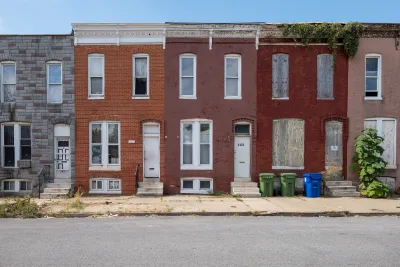
A new proposal from Baltimore housing officials would take a “Whole Block” approach to redevelopment, incentivizing developers to invest in vacant, city-owned properties.
As Chevall Price explains in the Baltimore Sun, “The city will enter Land Disposition Agreements with both established and newer developers to renovate and reuse properties.” The goal is to integrate new developments into the community. “Applicants for the program must have proof of $90,000, a background check and good standing with finishing vacant buildings.”
Some city councilmembers expressed concern about the potential for non-local developers to buy properties to then rent out at high prices to local residents. The housing department says it is working with programs like Live Baltimore and Buy Back the Block to ensure opportunities for local and Black ownership.
FULL STORY: Baltimore officials push block-by-block vacant housing redevelopment plan

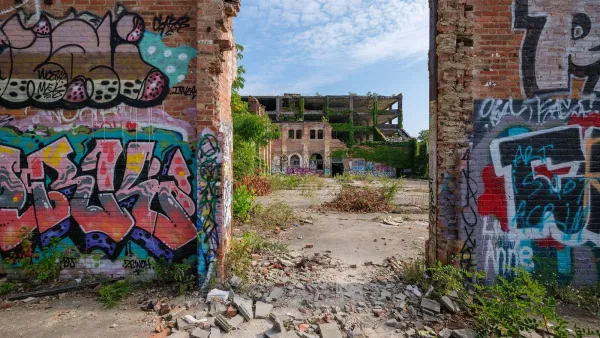
Cleveland announces new Midline industrial investment district
The plan calls for at least 1.5 million square feet of new industrial and commercial space alongside housing.
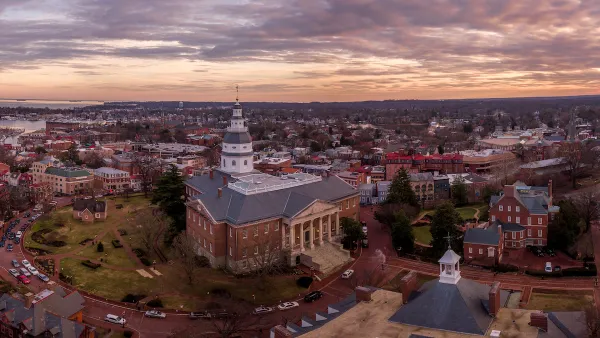
Maryland Passes New Vacancy Tax Law
The law allows local jurisdictions to set tax rates for vacant lots and properties to discourage speculation and stimulate development.
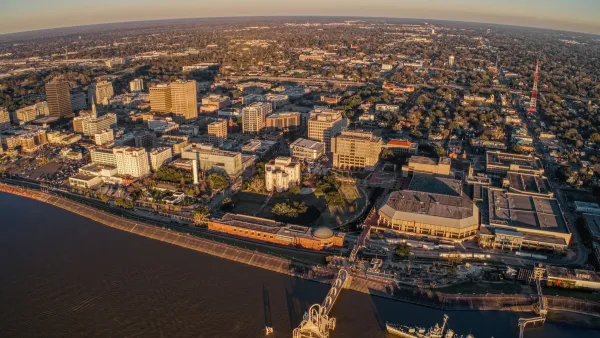
Baton Rouge master plan aims to triple downtown population
The Louisiana capital wants to entice developers to its riverfront district.

Planetizen Federal Action Tracker
A weekly monitor of how Trump’s orders and actions are impacting planners and planning in America.

The state-sanctioned urbicide of Austin
People don’t kill cities. Freeways do.

US to reduce Colorado River water deliveries to Mexico
A new Colorado Treaty amendment reduces Mexico’s Colorado River water allocation by 250,000 acre feet.

Mamdani overhauls NYC's Vision Zero plan with 100 new policy goals
The overhaul aims to reduce traffic deaths and make streets safer for pedestrians, cyclists and drivers through lower speed limits, new safety infrastructure and more.

Amtrak not solely to blame for New Jersey commuter rail's unreliability, report finds
A new study from the Garden State Initiative found that NJ Transit’s budget grew 20% across a 4 year period, but reliability declined significantly over the same period.

EPA erases limits on planet-warming pollution from power plants
Under Monday’s plan, power plants would still have some limits on how much mercury, arsenic and other contaminants they can emit.

FREE Course: Walkable City 1: Why Walkability?
After describing his path towards focusing on walkability as the essence of good planning, Jeff Speck marches through his five principal reasons for making more walkable places.
Reinventing Malls: Planning Alchemy—Turning Gray Fields Into Gold
The course focuses on the opportunities and imperatives that shape reinvention of mall sites.

Eagle County Government
Harvard University Graduate School of Design
Nashville Planning Department
The Architects Foundation
University of Cincinnati Online
The Pocatello Development Authority
The Urban Renewal Agency of the City of Pocatello
Journal of the American Planning Association