Despite being ahead of other cities, Seattle is still short more than 150,000 affordable units.



Seattle leads the way in affordable housing production among major U.S. metros, according to a report from RentCafe.
Doug Trumm covers the story in The Urbanist, noting that Seattle produced 14,290 affordable apartments over the last five years, narrowly beating New York City, which produced 14,240 units in the same time period.
Seattle spends a total of almost $350 million per year on affordable housing. The city’s housing levy, in place since the 1980s and renewed in 2023, provides $139 million in annual funding for affordable housing. “In 2025, Seattle voters approved another dedicated revenue source, this time focused on social housing. An ‘excess compensation’ tax hitting high earners who make more than $1 million per year is expected to raise more than $50 million annually for the recently launched Seattle Social Housing Developer, which is pursuing a mixed-income model popularized in cities like Vienna.”
However, the city needs 156,000 more affordable homes today and a total of 244,000 new homes by 2040 to meet its residents’ needs, according to a 2018 report by King County’s Affordable Housing Task Force.
Affordable housing is starting to make up a larger percentage of new apartment construction, at 14 percent in 2024 compared to just under 9 percent 10 years earlier. In 2024, 91,000 affordable units were delivered nationwide, the highest total in decades.
FULL STORY: Seattle Leads Nation in Affordable Apartment Production

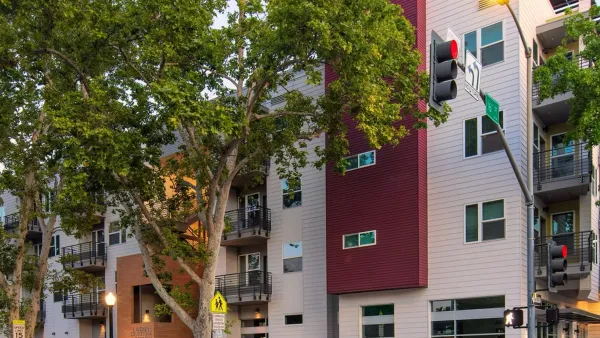
New Washington State Law Lets Cities Give Social Housing Developers City-owned Land
In its current form, HB 1687, which authorizes local governments to assist social housing agencies with land or other resources, only applies to Seattle.

The "vicious cycle of real estate mania" — and how we might find our way home
Book review: In "The Lost and the Found: A True Story of Homelessness, Found Family, and Second Chances," Kevin Fagan humanizes the housing crisis like never before.
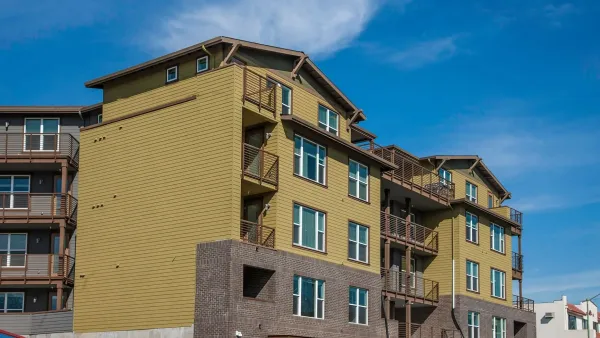
Oakland opens first affordable housing for teachers
The school district says 70% of its teachers can't afford to live in Oakland.

Planetizen Federal Action Tracker
A weekly monitor of how Trump’s orders and actions are impacting planners and planning in America.

The state-sanctioned urbicide of Austin
People don’t kill cities. Freeways do.

US to reduce Colorado River water deliveries to Mexico
A new Colorado Treaty amendment reduces Mexico’s Colorado River water allocation by 250,000 acre feet.

5 New England states march closer to 800 megawatt wind energy project
Securing federal approval for the project may be complicated under the Trump administration, which has historically been hostile towards domestic wind power.

Baltimore to break ground on $50 million Transit Priority Project
The project will bring faster bus trips, safer streets and better bike connections to Baltimore.

Airbnb launches $250 million 'last-dollar financing' housing accelerator, makes first investment in Austin
The company will put $6.4 million towards affordable housing development in Texas’ capital.

FREE Course: Walkable City 1: Why Walkability?
After describing his path towards focusing on walkability as the essence of good planning, Jeff Speck marches through his five principal reasons for making more walkable places.
Reinventing Malls: Planning Alchemy—Turning Gray Fields Into Gold
The course focuses on the opportunities and imperatives that shape reinvention of mall sites.

Eagle County Government
Harvard University Graduate School of Design
Nashville Planning Department
The Architects Foundation
University of Cincinnati Online
The Pocatello Development Authority
The Urban Renewal Agency of the City of Pocatello
Journal of the American Planning Association