Development should come with affordability. Here's the case for inclusionary housing, and why opponents aren't seeing the full picture.


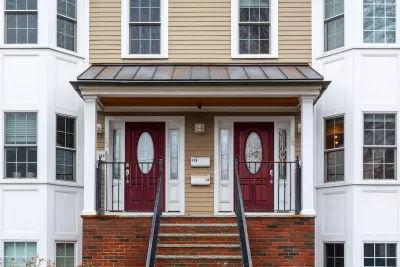
In “What Critics Get Wrong About Inclusionary Housing,” Quintin Mecke, executive director of the Council of Community Housing Organizations, argues that inclusionary housing remains one of the few effective tools for producing homes affordable to extremely low-income households. This is housing the private market will not build on its own. The article responds to growing legal challenges led by the Pacific Legal Foundation, which frames inclusionary requirements as unconstitutional “exactions” and taxes on development.
The piece emphasizes the need for careful, evidence-based framing of housing policy debates. Rooted in the civil rights movement, inclusionary housing is presented not as a barrier to growth, but as a mitigation tool that ensures development does not deepen displacement or inequality.
FULL STORY: What Critics Get Wrong About Inclusionary Housing


How Zoning Discrimination Still Affects Canadian Cities
Policies that encouraged urban segregation and led to the displacement and disenfranchisement of communities of color continue to reverberate in Canada's urban centers.

LGBTQ+ Elders Face Compounded Challenges in Accessing Fair and Equitable Housing
Lessons for building affirming, inclusive, and trauma-informed housing developments for older LGBTQ+ adults.

How ‘Rental Deserts’ Perpetuate Inequity
Close to one-third of American neighborhoods have very few housing options for renter households, who tend to be disproportionately people of color and low-income families.

Planetizen Federal Action Tracker
A weekly monitor of how Trump’s orders and actions are impacting planners and planning in America.

The state-sanctioned urbicide of Austin
People don’t kill cities. Freeways do.

US to reduce Colorado River water deliveries to Mexico
A new Colorado Treaty amendment reduces Mexico’s Colorado River water allocation by 250,000 acre feet.

Mamdani overhauls NYC's Vision Zero plan with 100 new policy goals
The overhaul aims to reduce traffic deaths and make streets safer for pedestrians, cyclists and drivers through lower speed limits, new safety infrastructure and more.

Amtrak not solely to blame for New Jersey commuter rail's unreliability, report finds
A new study from the Garden State Initiative found that NJ Transit’s budget grew 20% across a 4 year period, but reliability declined significantly over the same period.

EPA erases limits on planet-warming pollution from power plants
Under Monday’s plan, power plants would still have some limits on how much mercury, arsenic and other contaminants they can emit.

FREE Course: Walkable City 1: Why Walkability?
After describing his path towards focusing on walkability as the essence of good planning, Jeff Speck marches through his five principal reasons for making more walkable places.
Reinventing Malls: Planning Alchemy—Turning Gray Fields Into Gold
The course focuses on the opportunities and imperatives that shape reinvention of mall sites.

Eagle County Government
Harvard University Graduate School of Design
Nashville Planning Department
The Architects Foundation
University of Cincinnati Online
The Pocatello Development Authority
The Urban Renewal Agency of the City of Pocatello
Journal of the American Planning Association