Almost every state in the U.S. requires that landlords maintain safe and livable residential units. This is often called a "warranty of habitability." In some places, there are laws that specify exactly what those requirements are; in others, the standards are less defined.


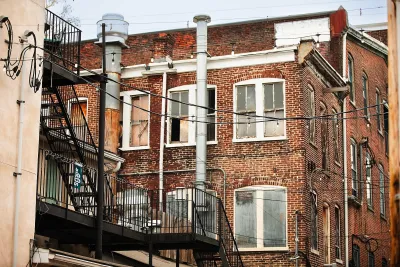
The latest explainer from Shelterforce breaks down the core elements of habitability — the legal requirement that landlords maintain safe and livable housing. While most states mandate heat, functional plumbing, electrical safety, and protection from pests and hazards, other protections — including mold remediation and air conditioning during extreme heat — remain inconsistent across jurisdictions.
The piece outlines common standards, highlights gaps in state laws, and shows how climate change is pressuring local governments to strengthen habitability requirements. A clear, accessible resource for planners and policymakers focused on healthy housing and tenant protection.
FULL STORY: What Makes a Habitable Rental Home?

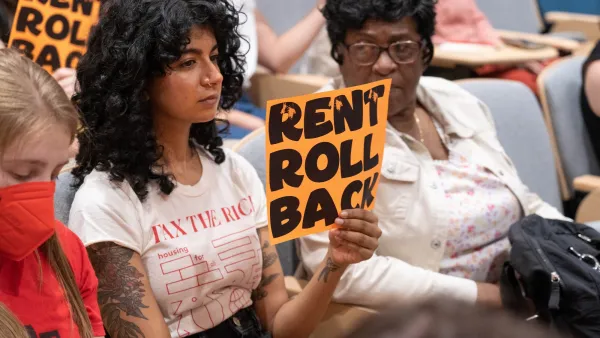
What Happened to ‘Renter’s Choice’ Legislation?
Years ago, officials in dozens of cities and states showed interest in passing legislation that required landlords to accept alternatives to the traditional lump-sum security deposit. Today, much of that momentum has diminished.

Tech Tools Help Tenants Push Back Against Problematic Landlords
Shelterforce found more than a dozen examples of tenant-serving technology that help renters identify landlords, respond to eviction, fight back against housing discrimination, and more.
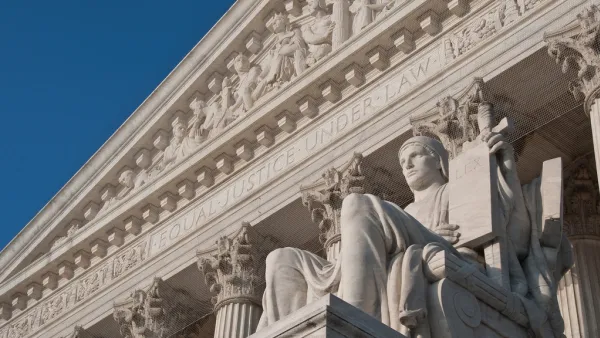
Supreme Court Landlord Appeal Case Could Overturn Tenant Protections
A legal case claiming that COVID-era eviction moratoriums were unconstitutional could spell trouble for tenant protections.

Planetizen Federal Action Tracker
A weekly monitor of how Trump’s orders and actions are impacting planners and planning in America.

The state-sanctioned urbicide of Austin
People don’t kill cities. Freeways do.

US to reduce Colorado River water deliveries to Mexico
A new Colorado Treaty amendment reduces Mexico’s Colorado River water allocation by 250,000 acre feet.

Mamdani overhauls NYC's Vision Zero plan with 100 new policy goals
The overhaul aims to reduce traffic deaths and make streets safer for pedestrians, cyclists and drivers through lower speed limits, new safety infrastructure and more.

Amtrak not solely to blame for New Jersey commuter rail's unreliability, report finds
A new study from the Garden State Initiative found that NJ Transit’s budget grew 20% across a 4 year period, but reliability declined significantly over the same period.

EPA erases limits on planet-warming pollution from power plants
Under Monday’s plan, power plants would still have some limits on how much mercury, arsenic and other contaminants they can emit.

FREE Course: Walkable City 1: Why Walkability?
After describing his path towards focusing on walkability as the essence of good planning, Jeff Speck marches through his five principal reasons for making more walkable places.
Reinventing Malls: Planning Alchemy—Turning Gray Fields Into Gold
The course focuses on the opportunities and imperatives that shape reinvention of mall sites.

Eagle County Government
Harvard University Graduate School of Design
Nashville Planning Department
The Architects Foundation
University of Cincinnati Online
The Pocatello Development Authority
The Urban Renewal Agency of the City of Pocatello
Journal of the American Planning Association