The holidays make streets and spaces warm, cozy, and welcoming. Why don’t we do that year round?


One of my favorite parts of the winter holiday season is seeing places decorated. The transformation of spaces is magical. What was once a dark city street is illuminated by string lights in the trees; a boring building lobby is made cozier with holiday garland. There is something inspiring about seeing decorations create beautiful places and, for me, that serves as a reminder that decoration, public art, events, and placemaking are important at all times of the year.
The case for year-round placemaking is more than making things beautiful. It also includes the importance of activating spaces with programming, making areas feel more welcoming to use, and investing in design choices that support community wellbeing all year.
Placemaking starts with the idea that every space has a story to tell and builds on details like programming, lighting, and signage to tell it. Using those details, placemaking can create high-quality, beautiful spaces where people want to live, work, and play.
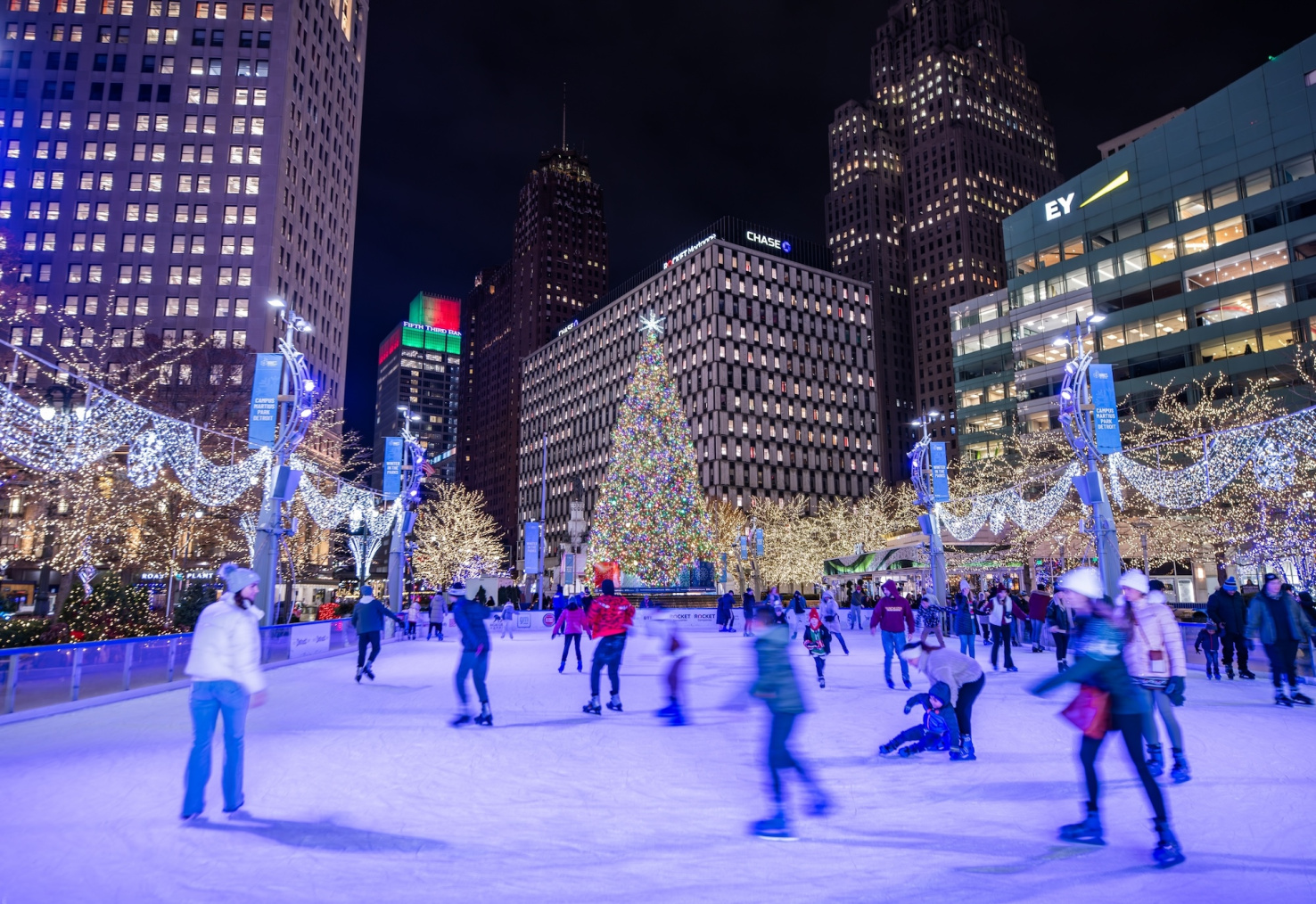

When I think of holiday placemaking, I think of lights, holiday markets, and greenery everywhere. While this form of beatification creates more welcoming spaces, the benefits of placemaking exceed beautification. Take Detroit’s Campus Martius, which took a spot in the city that marks its point of origin and transformed it into a holiday destination with ice skating, a tree, a holiday market, lights, and winter programming that entices people to use the space during the season, despite it being cold outside. Along with the space being beautiful, it is a true destination for locals to experience. The power of placemaking in places like Detroit transcends winter beauty and creates economic benefits, and provides community spaces when they are most needed.
During the holidays, artisan markets are a typical way to create this type of destination. Markets like the German-inspired Christkindlmarket in Chicago that transforms the Daley Plaza with holiday gifts, food, and programming. In 2021, the market drew 1.2 million visitors and added $196.2 million to the Cook County economy, including $103.2 million in direct economic impact. Along with the city-wide impact, holiday markets can also help artisans earn up to 50 percent of their annual sales in the last six weeks of the year.
But artisan markets don’t need to be reserved for Christmas — they can be a powerful placemaking tool all year. Even the Christkindlmarket has a Christmas in July event that brings vendors together during the summer. By drawing on examples from holiday markets, it is possible to activate a plaza, park, or space that attracts community members year-round while still supporting local economic development. Imagine an Eid market, a summer solstice market, or something else that draws local vendors and supports the community’s interest in gathering in a space designed for them.

Placemaking can also bring a sense of wellbeing in a season like winter, which has decreased daylight and colder days. Public spaces, especially when they are activated with placemaking, provide a third space that can increase wellbeing by providing social connection and stress reduction. During the holidays, the activation of spaces through programming, lighting, and decorating help provide the holiday wellbeing. However, the need for winter wellbeing extends past the winter holidays and into the early months of the new year. By maintaining existing holiday placemaking, or by investing in sustaining low-cost activation options like pop-up fire pits or lighting, it is possible to continue to create spaces that are welcoming and help address seasonal blues.
Holiday placemaking can make spaces magical, and long-term investments to continue that momentum can create spaces that have benefits all year. String lights are secular and can benefit communities and make beautiful spaces long after they are lit for the holidays. Artisan markets can provide benefits to makers and buyers past the holidays. Bringing community together in welcoming spaces has positive social benefits and makes people excited to use spaces. Placemaking can transform a space. It is time we take the energy we put towards the holidays and translate that to year-round benefits.

Report: The State of Public Spaces
A 50-year-old institution takes stock of placemaking in the public realm today.
How Placemaking Lost its Way — And How it Can Get Back on Track
The term has often become diluted, getting attached to projects that don’t live up to its lofty aspirations.
Placekeeping: Setting a New Precedent for City Planners
How a preservation-based approach to redevelopment and urban design can prevent displacement and honor legacy communities.

Planetizen Federal Action Tracker
A weekly monitor of how Trump’s orders and actions are impacting planners and planning in America.

Northwest rail fans eager for Sept. 30 debut of Amtrak’s Airo fleet
Get ready for that new train smell and more seats. But they won’t go faster or run more frequently on the Cascades route in Washington and Oregon.
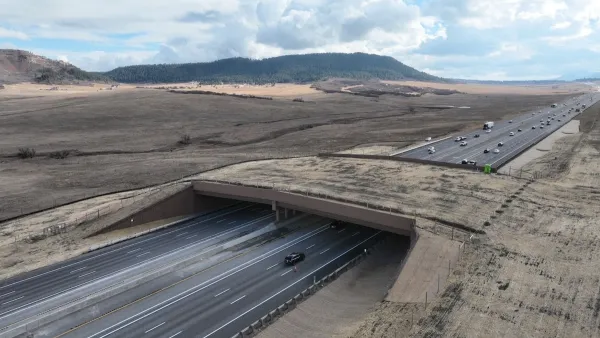
Record-breaking wildlife overpass in Colorado brings 91% reduction in animal collisions
Prior to the overpass, vehicles were hitting one deer per day on Colorado’s Interstate 25.

Detroit to transform waterfront with $2.2 billion investment
Developers will convert about 18 acres of unused parking lot space into civic spaces.

‘Going backwards:’ Baltimore mayor, students rally against state's transit funding plan
Maryland's proposed six-year plan provides no funding for Baltimore’s BMORE bus program and reduces its road maintenance funding.

Trump wants to cancel nearly 98% of funding for HUD housing support program
Multiple housing groups are suing the administration in an effort to preserve the funding.

FREE Course: Walkable City 1: Why Walkability?
After describing his path towards focusing on walkability as the essence of good planning, Jeff Speck marches through his five principal reasons for making more walkable places.
Reinventing Malls: Planning Alchemy—Turning Gray Fields Into Gold
The course focuses on the opportunities and imperatives that shape reinvention of mall sites.

City of Thousand Oaks
City of Wisconsin Rapids
Harvard University Graduate School of Design
The Architects Foundation
University of Cincinnati Online
Northern Illinois Transit Authority (NITA)
The Pocatello Development Authority
The Urban Renewal Agency of the City of Pocatello

