Water officials from the seven Colorado River Basin states are still at odds over how to manage dwindling water resources as current regulations are set to expire in February.


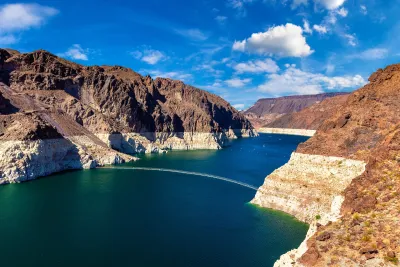
The states that rely on Colorado River water are running out of time to come to a water sharing agreement before current operating rules expire in February.
According to an article by Jeniffer Solis for News From the States, water officials from the seven Colorado River Basin states gathered in Las Vegas last week, but failed to break a two-year deadlock over how to manage the river’s water in coming decades and who should reduce their water usage.
Meanwhile, water flow this year was only 56 percent of the average, the forecast for 2026 predicts a 27 percent lower-than-normal inflow, and Lake Powell’s dropping water level could force local dams to stop producing hydropower by next October.
If the states fail to come to an agreement, the federal government could step in. “Within the next few weeks, the Bureau of Reclamation will release a range of proposals to replace the river’s current operating rules, but said they would not identify which set of operating guidelines the federal government would prefer.”
FULL STORY: Feds demand compromise on Colorado River while states flounder despite water shortage

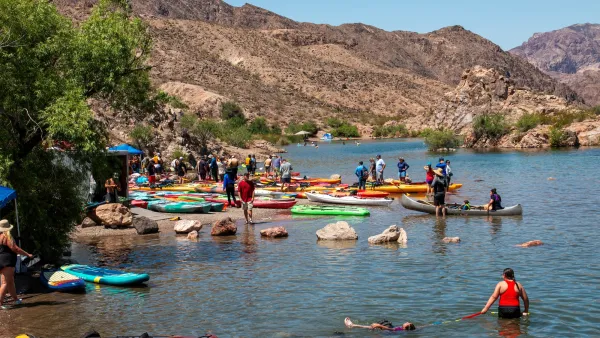
Colorado River States Fail to Strike Deal After ‘Historic Meeting’
The Colorado Basin states have until February 14 to agree on new water conservation measures.
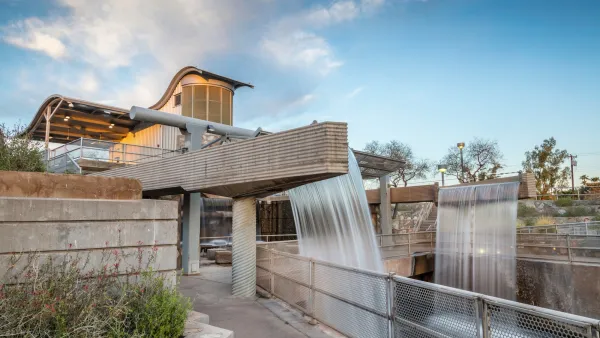
Arizona prepares to tap into emergency water supply as it braces for Colorado River cuts
The Salt River Project has been collecting nearly 4 million acre-feet of water since the mid-1990s.
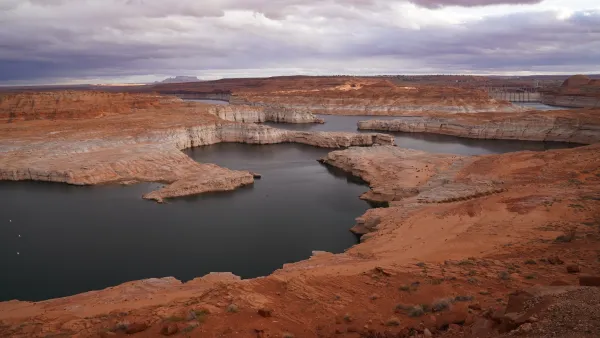
Lake Powell reaches lowest water level on record
Reservoirs along the Colorado River are seeing some of the lowest water flows ever, prompting questions about the future of communities in the basin.

Planetizen Federal Action Tracker
A weekly monitor of how Trump’s orders and actions are impacting planners and planning in America.

The state-sanctioned urbicide of Austin
People don’t kill cities. Freeways do.

US to reduce Colorado River water deliveries to Mexico
A new Colorado Treaty amendment reduces Mexico’s Colorado River water allocation by 250,000 acre feet.

5 New England states march closer to 800 megawatt wind energy project
Securing federal approval for the project may be complicated under the Trump administration, which has historically been hostile towards domestic wind power.

Baltimore to break ground on $50 million Transit Priority Project
The project will bring faster bus trips, safer streets and better bike connections to Baltimore.

Airbnb launches $250 million 'last-dollar financing' housing accelerator, makes first investment in Austin
The company will put $6.4 million towards affordable housing development in Texas’ capital.

FREE Course: Walkable City 1: Why Walkability?
After describing his path towards focusing on walkability as the essence of good planning, Jeff Speck marches through his five principal reasons for making more walkable places.
Reinventing Malls: Planning Alchemy—Turning Gray Fields Into Gold
The course focuses on the opportunities and imperatives that shape reinvention of mall sites.

Eagle County Government
Harvard University Graduate School of Design
Nashville Planning Department
The Architects Foundation
University of Cincinnati Online
The Pocatello Development Authority
The Urban Renewal Agency of the City of Pocatello
Journal of the American Planning Association