The Colorado Basin states have until February 14 to agree on new water conservation measures.


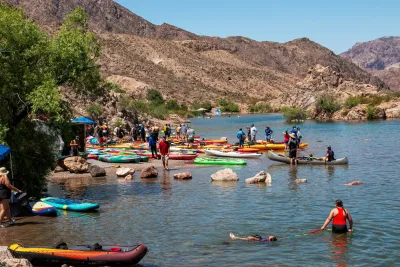
Leaders from the seven Colorado River Basin states met in a “historic” meeting in Washington, D.C., but did not walk away with a clear consensus over new water conservation measures ahead of a looming February 14 deadline, reports Caitlin Sievers in Source NM.
According to Sievers, “Arizona stands to see the largest cuts if the states can’t reach an agreement, because its Central Arizona Project is one of the newest users of the river water, making it legally one of the first to be cut.”
The states have yet to agree on which of them should cut water ruse and by how much. “Lower Basin states want all seven states to share mandatory water cuts during dry years under the new guidelines. But the Upper Basin, which is not subject to mandatory cuts under the current guidelines, argue that they already use much less water than downstream states and should not face additional cuts during shortages.”
The Lower Basin states reduced their consumption from 7.4 million acre-feet in 2015 to slightly over 6 million in 2024, while the Upper Basin states increased their usage from 3.9 million acre-feet in 2021 to 4.4 million in 2024.
FULL STORY: Colorado River governors express cautious optimism after ‘historic’ DC meeting

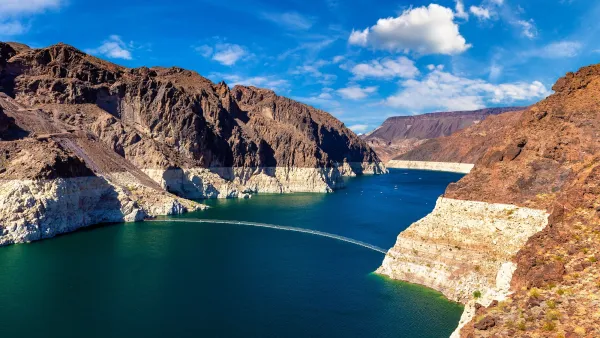
Deadline Nears for Colorado River Water Sharing Agreement
Water officials from the seven Colorado River Basin states are still at odds over how to manage dwindling water resources as current regulations are set to expire in February.
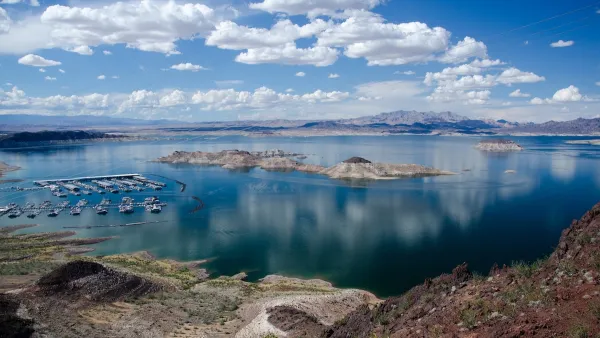
Colorado River States Inch Closer to Agreement
Upper Basin and Lower Basin states each say their plan for conserving the Colorado River’s water is the most sustainable.
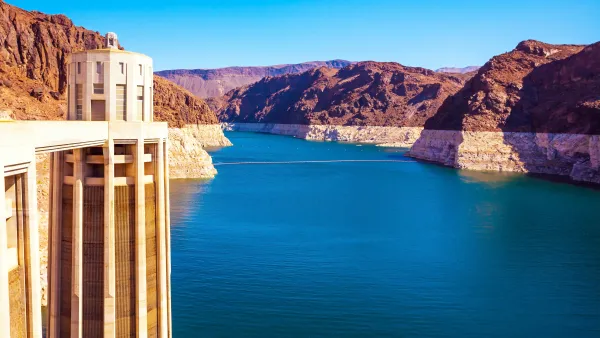
The New Colorado River Deal: An Explainer
According to one analyst, the agreement approved by the states doesn’t go nearly far enough to protect the river in the long term.

Planetizen Federal Action Tracker
A weekly monitor of how Trump’s orders and actions are impacting planners and planning in America.

The state-sanctioned urbicide of Austin
People don’t kill cities. Freeways do.

US to reduce Colorado River water deliveries to Mexico
A new Colorado Treaty amendment reduces Mexico’s Colorado River water allocation by 250,000 acre feet.

Baltimore to break ground on $50 million Transit Priority Project
The project will bring faster bus trips, safer streets and better bike connections to Baltimore.

Airbnb launches $250 million 'last-dollar financing' housing accelerator, makes first investment in Austin
The company will put $6.4 million towards affordable housing development in Texas’ capital.

Guerilla urbanists are building DIY bus stop benches in Chicago
A before-and-after of one of the bus stops with a new bench. The new benches are not officially sanctioned or permitted, but the residents who placed them hope they will be the start of a network of DIY benches across the city.

FREE Course: Walkable City 1: Why Walkability?
After describing his path towards focusing on walkability as the essence of good planning, Jeff Speck marches through his five principal reasons for making more walkable places.
Reinventing Malls: Planning Alchemy—Turning Gray Fields Into Gold
The course focuses on the opportunities and imperatives that shape reinvention of mall sites.

Eagle County Government
Harvard University Graduate School of Design
Nashville Planning Department
The Architects Foundation
University of Cincinnati Online
The Pocatello Development Authority
The Urban Renewal Agency of the City of Pocatello
Journal of the American Planning Association