The former Lester Park Golf Course land was transferred to the city’s economic development agency, clearing the way for a land use study.



The Duluth City Council voted in favor of a proposal to transfer a now-closed golf course site to the Duluth Economic Development Authority, which will clear the way to redeveloping the site into neighborhood-scale housing.
According to an article for MPR News by Dan Kraker, “The ordinance also permanently protects as city parkland about 1,500 acres of former county tax-forfeit land scattered throughout the city, a process that had been in the works for years.”
Duluth needs to build roughly 8,000 housing units to meet demand, according to a study. “Our community is going to grow. We have to make sure our community does leave the gate open and welcomes more people in,” said City Council Vice President Lynn Nephew.
Critics of the plan include Council member Wendy Durrwachter, whose district includes the site and who was the sole dissenter in the vote. She says the city should have conducted a land use analysis prior to transferring the land.
Read the full story: Duluth City Council votes to transfer former golf course land for future housing


San Francisco Mayor’s ‘Family Zoning’ Plan Faces Pushback, Displacement Concerns
Newly proposed legislation aims to protect long-term tenants from displacement caused by Mayor Lurie’s proposed zoning reform plan, which would allow for more housing construction in parts of the city.

Vancouver Council Denies Proposal to Limit Broadway Plan Growth
A proposed ‘pace of change’ policy would have restricted the number of development proposals the city would accept in an effort to limit displacement of existing residents in affordable, low-rise rental units.
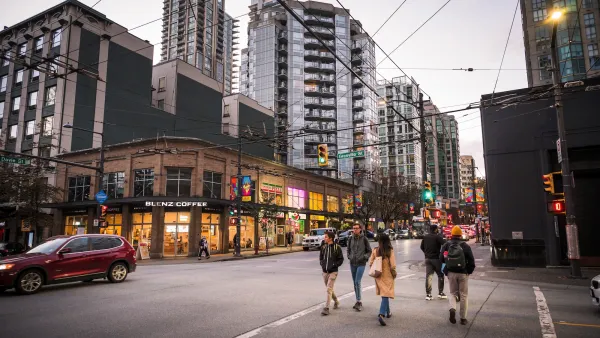
To upzone or not to upzone? Two views on the housing crisis
Allowing more density can increase the housing supply, but does the attendant rise in land prices cancel out the benefits?

Planetizen Federal Action Tracker
A weekly monitor of how Trump’s orders and actions are impacting planners and planning in America.

California plans to bury El Niño’s downpour
If the state plays its cards right, it may be able to store a billion acre-feet of El Niño’s water in aquifers.

Chicago breaks ground on $3 billion megadevelopment
The new neighborhood, titled Foundry Park, will one day host 3,700 residences.

Satanic Place Names
From streams and lakes to valleys and canyons, I mapped more than 1,000 places named after the Devil.

California High-Speed Rail Authority CEO resigns after $600,000 scandal
Under Ian Choudri, the authority used taxpayer dollars to fund first class flights and trips to nightclubs.

Want to study the Missouri River? Soon, you may need unanimous approval from 10 states
Legislation would require 10 governors’ permission to study or build projects moving water outside the basin.

FREE Course: Walkable City 1: Why Walkability?
After describing his path towards focusing on walkability as the essence of good planning, Jeff Speck marches through his five principal reasons for making more walkable places.
Reinventing Malls: Planning Alchemy—Turning Gray Fields Into Gold
The course focuses on the opportunities and imperatives that shape reinvention of mall sites.

City of Rosemead
Rutgers University, Edward J. Bloustein School of Planning and Public Policy
One Hundred Miles
Hunter College, City University of New York (CUNY)
The Architects Foundation
University of Cincinnati Online
City of Cambridge
Montrose County
The Pocatello Development Authority