The city’s economic analysis reveals that a rezoning proposal would yield from 8,504 to 14,646 units, well below the number required by the state.



A new economic analysis from the city of San Francisco’s Office of the Controller says that Mayor Dan Lurie’s proposed “Family Zoning” plan would yield far fewer new housing units than the city needs to address its housing shortage, reports J.K. Dineen in the San Francisco Chronicle.
According to the report, the rezoning proposed in the plan would produce 14,646 units by 2045, or 40 percent of the homes San Francisco needs by 2013 based on its state-approved housing element. This number is based on a high-growth model that estimates the new supply would lower rents and sale prices by 4.2 percent. A second more conservative scenario estimates a growth of only 8,504 units.
The report provides fodder for both supporters and opponents of the rezoning plan, which would upzone 92,000 parcels on primarily transit corridors. According to the report, the plan would still have a positive impact, and “would lead to a significant increase in the city’s housing supply, and have broadly positive effects on housing prices and the city’s broader economy.”
The report could have an impact on whether the controversial plan gains enough approval to succeed, and could prompt the state to take action if they deem San Francisco’s housing element unrealistic.
FULL STORY: Lurie’s ‘Family Zoning’ would fall far short of state housing goals, new report says


San Francisco Mayor’s ‘Family Zoning’ Plan Faces Pushback, Displacement Concerns
Newly proposed legislation aims to protect long-term tenants from displacement caused by Mayor Lurie’s proposed zoning reform plan, which would allow for more housing construction in parts of the city.
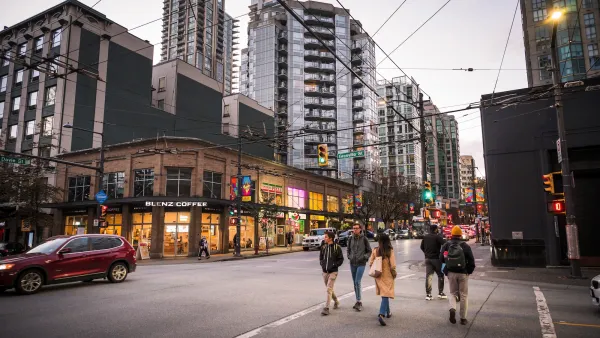
To upzone or not to upzone? Two views on the housing crisis
Allowing more density can increase the housing supply, but does the attendant rise in land prices cancel out the benefits?
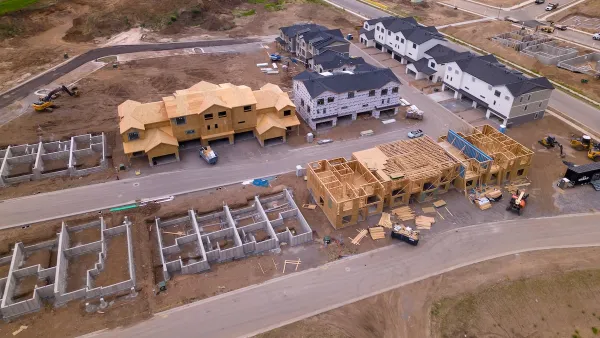
‘Montana Miracle:’ The State Actually Succeeding at Housing Reform
A series of ambitious zoning reforms is having a significant impact on the state’s housing supply.

Planetizen Federal Action Tracker
A weekly monitor of how Trump’s orders and actions are impacting planners and planning in America.

The state-sanctioned urbicide of Austin
People don’t kill cities. Freeways do.

US to reduce Colorado River water deliveries to Mexico
A new Colorado Treaty amendment reduces Mexico’s Colorado River water allocation by 250,000 acre feet.

5 New England states march closer to 800 megawatt wind energy project
Securing federal approval for the project may be complicated under the Trump administration, which has historically been hostile towards domestic wind power.

Baltimore to break ground on $50 million Transit Priority Project
The project will bring faster bus trips, safer streets and better bike connections to Baltimore.

Airbnb launches $250 million 'last-dollar financing' housing accelerator, makes first investment in Austin
The company will put $6.4 million towards affordable housing development in Texas’ capital.

FREE Course: Walkable City 1: Why Walkability?
After describing his path towards focusing on walkability as the essence of good planning, Jeff Speck marches through his five principal reasons for making more walkable places.
Reinventing Malls: Planning Alchemy—Turning Gray Fields Into Gold
The course focuses on the opportunities and imperatives that shape reinvention of mall sites.

Eagle County Government
Harvard University Graduate School of Design
Nashville Planning Department
The Architects Foundation
University of Cincinnati Online
The Pocatello Development Authority
The Urban Renewal Agency of the City of Pocatello
Journal of the American Planning Association