As the cost for Sound Transit’s light rail expansion keeps growing, Mayor Bruce Harrell promised to streamline permitting and communication to ensure the project is finished sooner.


Seattle Mayor Bruce Harrell held a press conference to address soaring costs for Sound Transit’s light rail expansion, which grew by roughly $30 million. The light rail system served over 4.2 million riders in June of this year.
“First, the mayor said he will streamline the city’s permitting processes, cutting red tape and getting projects approved faster and finished sooner,” explains James Lynch for KIRO. The mayor also said he will increase the number of city staff working with Sound Transit on the project to ensure smoother logistics.
“Outside Seattle, from Snohomish County to Pierce County, Harrell said every municipality and every jurisdiction must work together toward one goal—to get light rail completed as close to on-time as possible and as close to the original budget as possible.”
FULL STORY: Mayor aims to tackle soaring light rail costs for Ballard, West Seattle

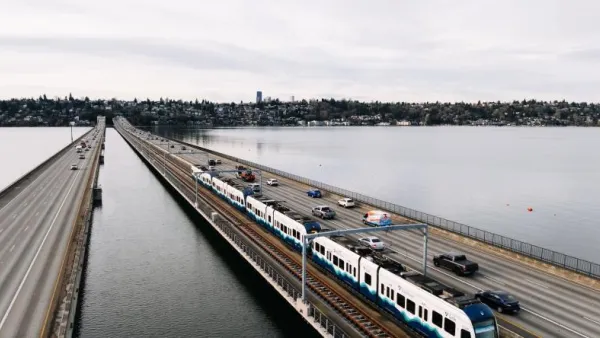
Seattle’s Floating Light Rail Bridge to Open March 28
The new East Link segment of King County’s light rail system crosses Lake Washington on a first-of-its-kind floating bridge.
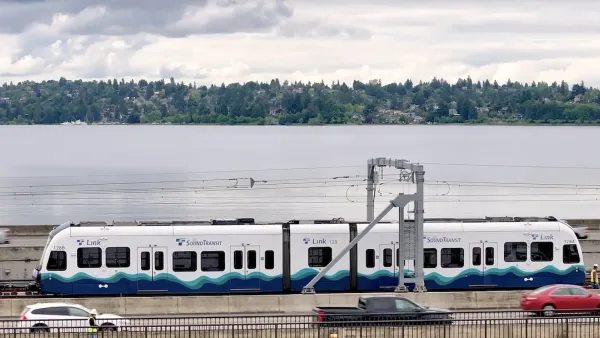
Floating Light Rail Bridge Crossing Marks Historic Moment for Seattle Transit
Once testing is complete, Sound Transit will open the world’s first light rail line that uses a floating bridge connecting downtown Seattle to the Eastside.

Seattle Transit Asked to Clarify Pet Policy
A major dog park near a new light rail stop is prompting calls to update and clarify rules for bringing pets on Seattle-area transit systems.

Planetizen Federal Action Tracker
A weekly monitor of how Trump’s orders and actions are impacting planners and planning in America.

The state-sanctioned urbicide of Austin
People don’t kill cities. Freeways do.

US to reduce Colorado River water deliveries to Mexico
A new Colorado Treaty amendment reduces Mexico’s Colorado River water allocation by 250,000 acre feet.

Mamdani overhauls NYC's Vision Zero plan with 100 new policy goals
The overhaul aims to reduce traffic deaths and make streets safer for pedestrians, cyclists and drivers through lower speed limits, new safety infrastructure and more.

Amtrak not solely to blame for New Jersey commuter rail's unreliability, report finds
A new study from the Garden State Initiative found that NJ Transit’s budget grew 20% across a 4 year period, but reliability declined significantly over the same period.

EPA erases limits on planet-warming pollution from power plants
Under Monday’s plan, power plants would still have some limits on how much mercury, arsenic and other contaminants they can emit.

FREE Course: Walkable City 1: Why Walkability?
After describing his path towards focusing on walkability as the essence of good planning, Jeff Speck marches through his five principal reasons for making more walkable places.
Reinventing Malls: Planning Alchemy—Turning Gray Fields Into Gold
The course focuses on the opportunities and imperatives that shape reinvention of mall sites.

.jpg)
Eagle County Government
Harvard University Graduate School of Design
Nashville Planning Department
The Architects Foundation
University of Cincinnati Online
The Pocatello Development Authority
The Urban Renewal Agency of the City of Pocatello
Journal of the American Planning Association