The longest trial in Canadian history ended with the BC Supreme Court awarding rights to a 750-hectare parcel in Richmond to First Nations groups.


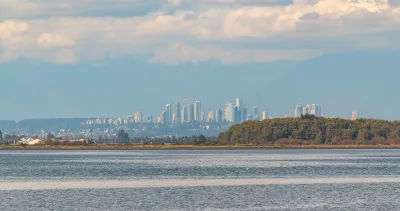
The British Columbia Supreme Court delivered a precedent-setting ruling on a case brought by four First Nations in the longest trial in Canadian history, report Amy Judd and Travis Prasad in Global News. “The piece of land in question is a 750-hectare parcel in Richmond, including city and port lands, farms, golf courses and commercial properties,” according to the authors. “The Cowichan Nation said it was not seeking to recover any privately-held lands in the court case but they wanted lands held by government returned to them.”
The suit also pitted some First Nations against two others who were named as defendants. “[Justice] Young’s ruling means that Quw’utsun’s right to fish that area of the Fraser River for food can be done without needing permission from the Musqueam Indian Band.”
The ruling tasks the provincial and federal governments with deciding how to settle ownership where legal titles overlap with the new ownership. “Federal Crown may have to transfer some of the land back, they may have to compensate them for the financial benefits that they’ve got from those lands,” said lawyer Peter Grant.
FULL STORY: Canada’s longest trial ends in precedent-setting B.C. land claim ruling for 4 First Nations

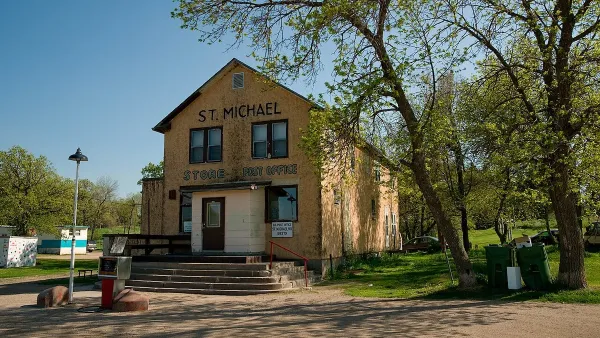
Spirit Lake Nation Reclaims 680 Acres After Century-Long Effort
After decades of advocacy, the Spirit Lake Nation successfully reclaimed 680 acres of its original treaty land from the U.S. Fish and Wildlife Service, marking a significant step toward healing and future development.
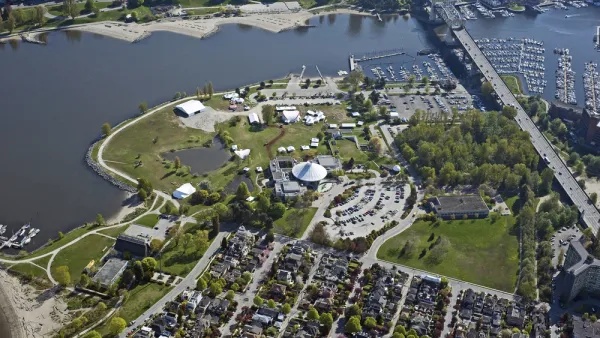
Squamish Nation Plans 6,000-Unit Development in Vancouver
The residential development in Vancouver, located on Squamish Nation land, will be significantly larger than what was initially planned.

Budget constraints threaten light rail for Oregon, Washington’s new bridge
The current proposal includes only the infrastructure for the light rail, without funding for the train and tracks.

Planetizen Federal Action Tracker
A weekly monitor of how Trump’s orders and actions are impacting planners and planning in America.

The state-sanctioned urbicide of Austin
People don’t kill cities. Freeways do.

US to reduce Colorado River water deliveries to Mexico
A new Colorado Treaty amendment reduces Mexico’s Colorado River water allocation by 250,000 acre feet.

5 New England states march closer to 800 megawatt wind energy project
Securing federal approval for the project may be complicated under the Trump administration, which has historically been hostile towards domestic wind power.

Baltimore to break ground on $50 million Transit Priority Project
The project will bring faster bus trips, safer streets and better bike connections to Baltimore.

Airbnb launches $250 million 'last-dollar financing' housing accelerator, makes first investment in Austin
The company will put $6.4 million towards affordable housing development in Texas’ capital.

FREE Course: Walkable City 1: Why Walkability?
After describing his path towards focusing on walkability as the essence of good planning, Jeff Speck marches through his five principal reasons for making more walkable places.
Reinventing Malls: Planning Alchemy—Turning Gray Fields Into Gold
The course focuses on the opportunities and imperatives that shape reinvention of mall sites.

Eagle County Government
Harvard University Graduate School of Design
Nashville Planning Department
The Architects Foundation
University of Cincinnati Online
The Pocatello Development Authority
The Urban Renewal Agency of the City of Pocatello
Journal of the American Planning Association