Despite getting permits as long as a decade ago, thousands of proposed housing units are still waiting to be built.


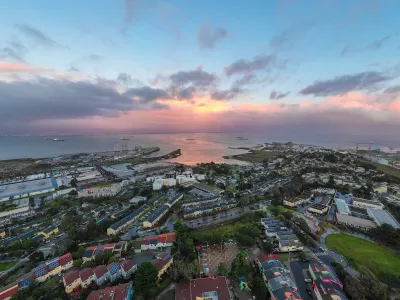
Over 20,000 approved housing units in San Francisco are stalled, reports Roland Li in the San Francisco Chronicle.
Developers say, despite housing prices shooting up, there are major barriers killing projects. Rents are still below 2019 levels. At the same time, inflation, additional city fees, a shortage of construction materials and the Trump administration’s tariffs mean that building costs have shot up.
In 2024, only 1,453 homes in new builds were completed, compared to 5,000 new units in 2020. “Plans for only 2,541 new homes were filed in 2024, and the city is woefully behind its state-mandated housing goals that call for a call for 82,000 units permitted by 2031.”
The article details several megaprojects that have stalled, including over 5,000 units that were to be built in the Parkmerced complex and the 10,000+ homes slated for construction on the sites of the old Hunters Point Shipyard and Candlestick Park. Some have stalled due to the complicated nature of the project — in Hunters Point, “The Cold War-era shipyard housed Navy ships that had been irradiated by nuclear weapons tests. Ships also included paint with radium, strontium and promethium to increase visibility at night — toxins that were later dumped in the neighborhood.” In others, opposition from neighbors or high construction costs have stalled progress.
FULL STORY: These San Francisco megaprojects would bring 20,000 homes to market — but are stalled

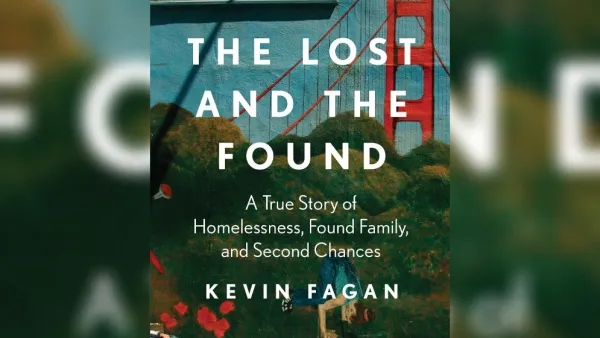
The "vicious cycle of real estate mania" — and how we might find our way home
Book review: In "The Lost and the Found: A True Story of Homelessness, Found Family, and Second Chances," Kevin Fagan humanizes the housing crisis like never before.
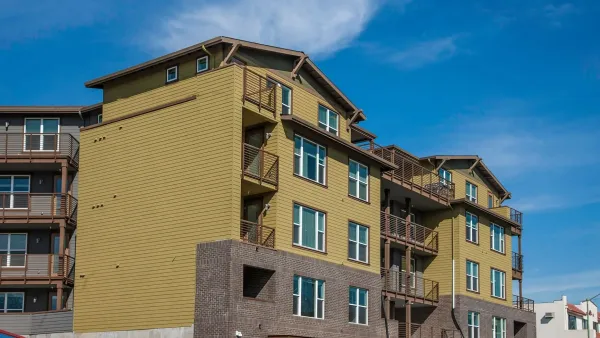
Oakland opens first affordable housing for teachers
The school district says 70% of its teachers can't afford to live in Oakland.
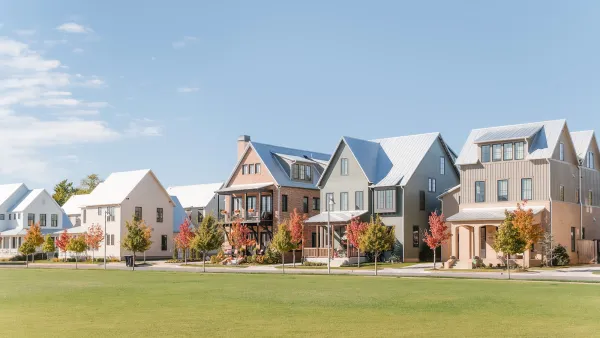
Oklahoma has Over 200,000 Vacant Homes. None are Affordable to Low-income Families.
The state faces a shortage of over 80,000 rental units for extremely low-income households while hundreds of thousands of vacant units face financial or legal barriers to restoration.

The state-sanctioned urbicide of Austin
People don’t kill cities. Freeways do.

US to reduce Colorado River water deliveries to Mexico
A new Colorado Treaty amendment reduces Mexico’s Colorado River water allocation by 250,000 acre feet.

New Jersey’s second-largest city bans standalone data centers
Jersey City will continue to allow co-location facilities, such as those meant for research institutions that store their own data.

Amtrak not solely to blame for New Jersey commuter rail's unreliability, report finds
A new study from the Garden State Initiative found that NJ Transit’s budget grew 20% across a 4 year period, but reliability declined significantly over the same period.

EPA erases limits on planet-warming pollution from power plants
Under Monday’s plan, power plants would still have some limits on how much mercury, arsenic and other contaminants they can emit.

Phoenix announces new on-demand transit service, more frequent RAPID buses
Both new services will launch in October, and are part of Phoenix's Project Effective Access Solutions for Easing Congestion.

FREE Course: Walkable City 1: Why Walkability?
After describing his path towards focusing on walkability as the essence of good planning, Jeff Speck marches through his five principal reasons for making more walkable places.
Reinventing Malls: Planning Alchemy—Turning Gray Fields Into Gold
The course focuses on the opportunities and imperatives that shape reinvention of mall sites.

Eagle County Government
Harvard University Graduate School of Design
Nashville Planning Department
The Architects Foundation
University of Cincinnati Online
The Pocatello Development Authority
The Urban Renewal Agency of the City of Pocatello
Journal of the American Planning Association