The state faces a shortage of over 80,000 rental units for extremely low-income households while hundreds of thousands of vacant units face financial or legal barriers to restoration.


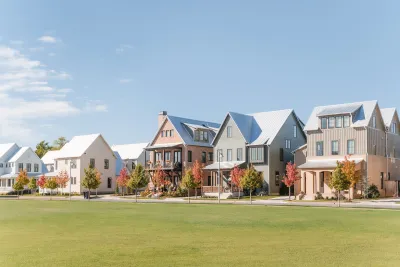
Data from the Oklahoma Housing Finance Agency’s Housing Needs Assessment reveals that the state has over 220,000 vacant housing units, with roughly 39,000 of them listed for rent. But as Stephen Martin explains in Oklahoma Watch, almost none of them are affordable to the lowest-income renters. The state has a shortage of over 80,000 rental homes for extremely low-income households.
According to Martin, “Apartment complexes built in the 1970s and 1980s, long a source of relatively affordable housing, are reaching the end of their useful lives. When developers attempt to renovate them, the scope of the work often expands beyond initial estimates.” These rehabilitation projects then either fail to get off the ground, or cost so much to restore or rebuild that subsequent rents are unaffordable to most residents or require public subsidies.
According to Sabine Brown, a housing policy analyst with the Oklahoma Policy Institute, this imbalance highlights the limitations of the market. “Private development, she said, tends to produce housing at price points where projects can generate a return, not necessarily where the need is greatest.” Meanwhile, many vacant properties languish in legal or financial limbo. “Policies that encourage development can help expand housing overall, she said, but without targeted strategies, they may do little to address affordability gaps.”
FULL STORY: Oklahoma’s Housing Paradox: Vacant Units Everywhere, Affordable Ones Nowhere

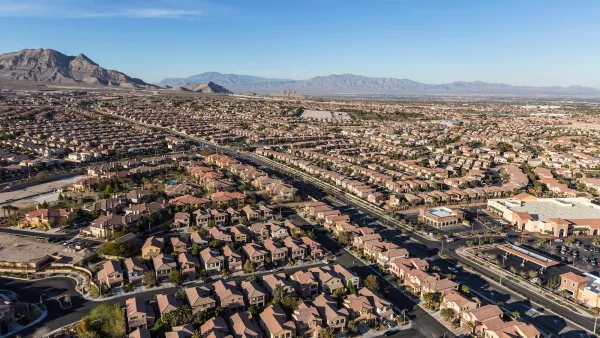
Nevada is no Longer a Haven of Housing Affordability
Large investors own 11 percent of single-family rentals in Las Vegas — far above the national average of 3 percent.
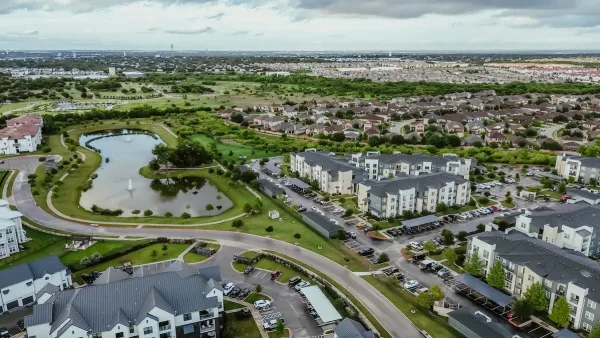
Rents Rose Between December and January
After dropping to a three-year low, U.S. rent costs grew in many major cities.

California’s New Housing Laws: What You Need to Know
The state legislature passed dozens of new laws aimed at improving housing affordability and streamlining the development process to meet rising demand.

Planetizen Federal Action Tracker
A weekly monitor of how Trump’s orders and actions are impacting planners and planning in America.

The state-sanctioned urbicide of Austin
People don’t kill cities. Freeways do.

US to reduce Colorado River water deliveries to Mexico
A new Colorado Treaty amendment reduces Mexico’s Colorado River water allocation by 250,000 acre feet.

Baltimore to break ground on $50 million Transit Priority Project
The project will bring faster bus trips, safer streets and better bike connections to Baltimore.

Airbnb launches $250 million 'last-dollar financing' housing accelerator, makes first investment in Austin
The company will put $6.4 million towards affordable housing development in Texas’ capital.

Guerilla urbanists are building DIY bus stop benches in Chicago
A before-and-after of one of the bus stops with a new bench. The new benches are not officially sanctioned or permitted, but the residents who placed them hope they will be the start of a network of DIY benches across the city.

FREE Course: Walkable City 1: Why Walkability?
After describing his path towards focusing on walkability as the essence of good planning, Jeff Speck marches through his five principal reasons for making more walkable places.
Reinventing Malls: Planning Alchemy—Turning Gray Fields Into Gold
The course focuses on the opportunities and imperatives that shape reinvention of mall sites.

Eagle County Government
Harvard University Graduate School of Design
Nashville Planning Department
The Architects Foundation
University of Cincinnati Online
The Pocatello Development Authority
The Urban Renewal Agency of the City of Pocatello
Journal of the American Planning Association