The redevelopment of hundreds of former military bases in the 1980s provides a model for how similar facilities can be repurposed to serve the surrounding communities.


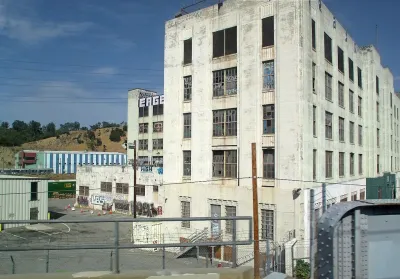
In an opinion piece in Governing, Deanna Van Buren describes how former prisons can be transformed into vibrant community spaces that are “far more useful, humane and fiscally responsible” than their previous use.
America continues wasting vast sums on its most spectacular policy failure, a system that fails communities while enriching private interests. The prison system represents more than wasteful spending — it's a profound physical, emotional and moral failure manifested in concrete and steel.
In recent years, the prison population has been dropping, presenting a unique opportunity. “If we dare to seize it, this historic shift represents the most significant chance in generations to redirect the staggering $1 trillion annual economic burden that incarceration imposes on our society but that does little to keep us safe.”
Van Buren points to a historical precedent for the same kind of redevelopment by the Department of Defense: massive military base closures in 1988. “Instead of letting 350 military installations become economic dead zones, the program systematically transformed them into thriving community assets — 92 of them became parks covering more than 18,000 acres, while others became airports, schools and housing developments, saving taxpayers an estimated $12 billion annually.”
Now, cities such as Atlanta and Concord, Massachusetts are undertaking similar projects for shuttered prison and jail facilities, making them work for the community rather than sit vacant, contributing to blight and economic decay. “At an even larger scale, Los Angeles County demonstrates what becomes possible when advocates and communities successfully pressure leaders to act with courage. Years of organizing led to billions once earmarked for jail expansion being redirected toward Restorative Care Villages offering integrated health and housing services and Safe and Secure Healing Centers ending youth incarceration.”
FULL STORY: The Good Things We Could Do With Our Closed Prisons

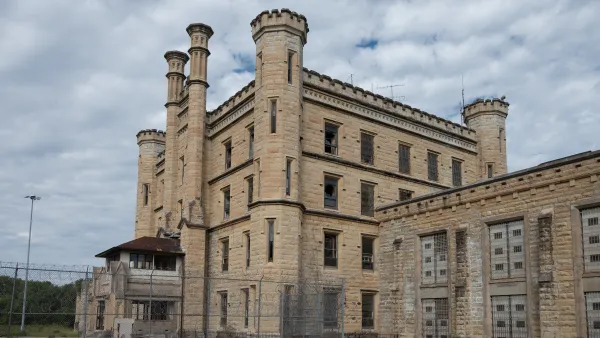
‘Shawshank Redemption’: 5 Adaptive Reuse Strategies for Shuttered Jails
Redeveloping closed correctional facilities in ways that foster just and thriving communities is a growing trend across the United States.
Cleveland announces new Midline industrial investment district
The plan calls for at least 1.5 million square feet of new industrial and commercial space alongside housing.
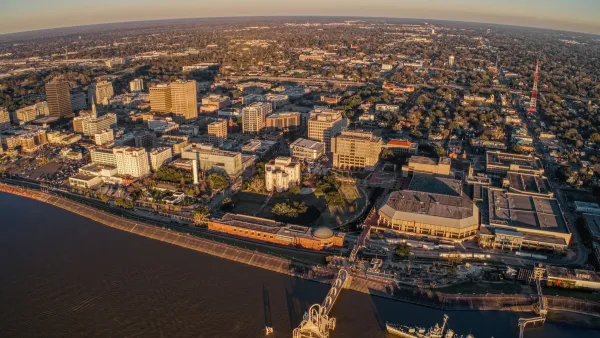
Baton Rouge master plan aims to triple downtown population
The Louisiana capital wants to entice developers to its riverfront district.

Planetizen Federal Action Tracker
A weekly monitor of how Trump’s orders and actions are impacting planners and planning in America.

The state-sanctioned urbicide of Austin
People don’t kill cities. Freeways do.

US to reduce Colorado River water deliveries to Mexico
A new Colorado Treaty amendment reduces Mexico’s Colorado River water allocation by 250,000 acre feet.

5 New England states march closer to 800 megawatt wind energy project
Securing federal approval for the project may be complicated under the Trump administration, which has historically been hostile towards domestic wind power.

Baltimore to break ground on $50 million Transit Priority Project
The project will bring faster bus trips, safer streets and better bike connections to Baltimore.

Airbnb launches $250 million 'last-dollar financing' housing accelerator, makes first investment in Austin
The company will put $6.4 million towards affordable housing development in Texas’ capital.

FREE Course: Walkable City 1: Why Walkability?
After describing his path towards focusing on walkability as the essence of good planning, Jeff Speck marches through his five principal reasons for making more walkable places.
Reinventing Malls: Planning Alchemy—Turning Gray Fields Into Gold
The course focuses on the opportunities and imperatives that shape reinvention of mall sites.


Eagle County Government
Harvard University Graduate School of Design
Nashville Planning Department
The Architects Foundation
University of Cincinnati Online
The Pocatello Development Authority
The Urban Renewal Agency of the City of Pocatello
Journal of the American Planning Association